The best safaris I’ve taken share one quality: I didn’t want to leave. Not because of any single sighting, but because I’d been there long enough for the place to settle into me. When you resist the urge to rush, the landscape begins to reveal its secrets. The way the light changes with the hours, the calls of birds you’ve begun to recognise, the quiet movements of wildlife going about their lives. Slowing down allows something more profound to happen, too: relationships form, with your guide, with the land, with the version of yourself that has nowhere else to be.
Slowing down isn’t only better for you, it’s also better for the planet. When you linger in one region rather than hopping between many, you cut your carbon footprint, spend more deeply in the local economy, and give more back to the places you stay. Sustainability and slowness are, in fact, inseparable.
Laikipia, in northern Kenya, is one of the most exciting regions in Africa to embrace this slower way of travelling. It’s a place where conservation meets bold ideas and family-run lodges sit alongside landscape-wide initiatives that are confidently redefining what African conservation can look like.
What follows is how I would put together ten days here, all shaped by my own time in Laikipia, where I found the balance of walking safaris and lodge-based stays deeply complementary. By combining three different camps, you create a journey that builds depth and contrast as it goes. I’d recommend a minimum of three nights at each, or why not spend a whole week at just one? I can promise you’ll never get bored. Travelling at this gentler pace allows you to experience the region in depth without endless transfers; an approach that works beautifully for groups, multi-generational families, or solo travellers alike.
Here’s how a slower, deeper journey through Laikipia could look.
Getting There
Fly into Nairobi, but instead of hopping on a quick flight north, consider driving to Laikipia. Yes, it will take longer and you’ll almost certainly experience the famous ‘African massage’ on the bumpy stretches of road, but you’ll also pass through small towns, watch the landscape shift as you climb north, and be present in a way you simply can’t from the air. The journey itself becomes part of the safari.
Nights 1–3: Tumaren Camp, Karisia Walking Safaris
Safari at its purest: on foot.
Beginning where safari takes its purest form: on foot. At Tumaren, the base for Karisia Walking Safaris, game drives give way to guided walks that bring the bush to life in an entirely different way. Samburu guides lead you along animal tracks, pointing out signs invisible to the untrained eye: a freshly turned stone, the curl of a paw print in the dust, the distant alarm call of an impala. Camels carry the mobile camp, adding a rhythm that feels timeless, while evenings end with fireside stories and meals beneath a sky so star-filled it feels impossibly close.
There are other forms of adventure woven in, too. Rock climbing on Laikipia’s granite outcrops, long hikes across open plains, or simply sitting quietly, absorbing the silence that only this kind of safari can gift. Tumaren is all about lightness of footprint and depth of connection — a place stripped back to its essence.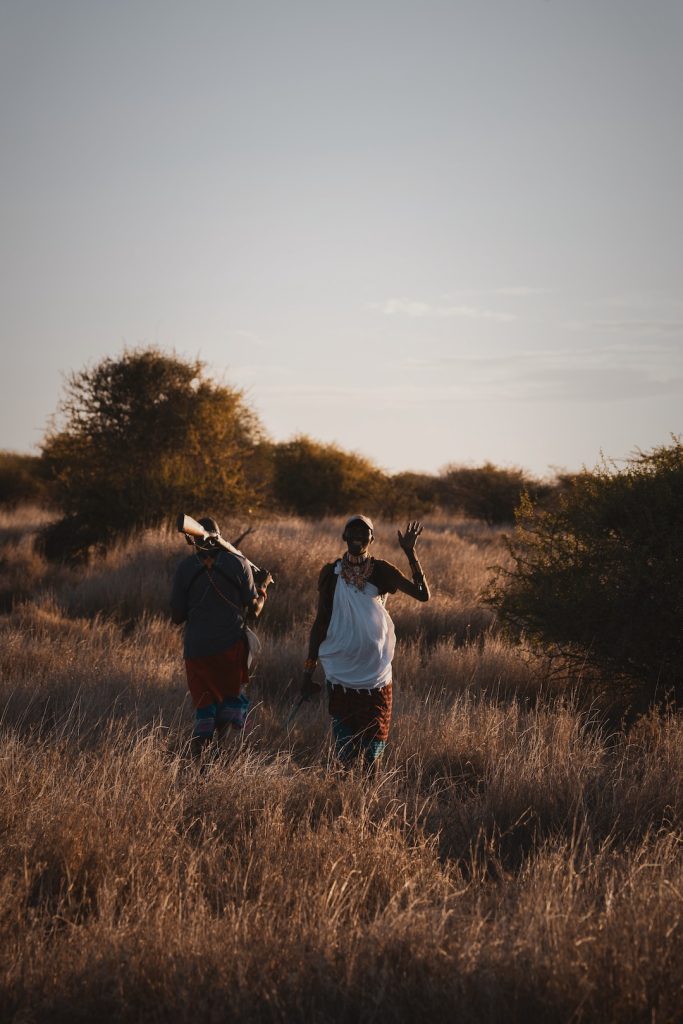


Why I love it: Walking safari at Tumaren slows you down, sharpens your senses, and makes you feel the land beneath your feet. Every track, call, and shadow tells a tale, and with Samburu guides sharing their knowledge along the way, you’re part of the story. It’s immersive, intimate, and unlike anything a game drive can offer alone.
Nights 4–6: El Karama Lodge
Thoughtful, small-scale luxury.
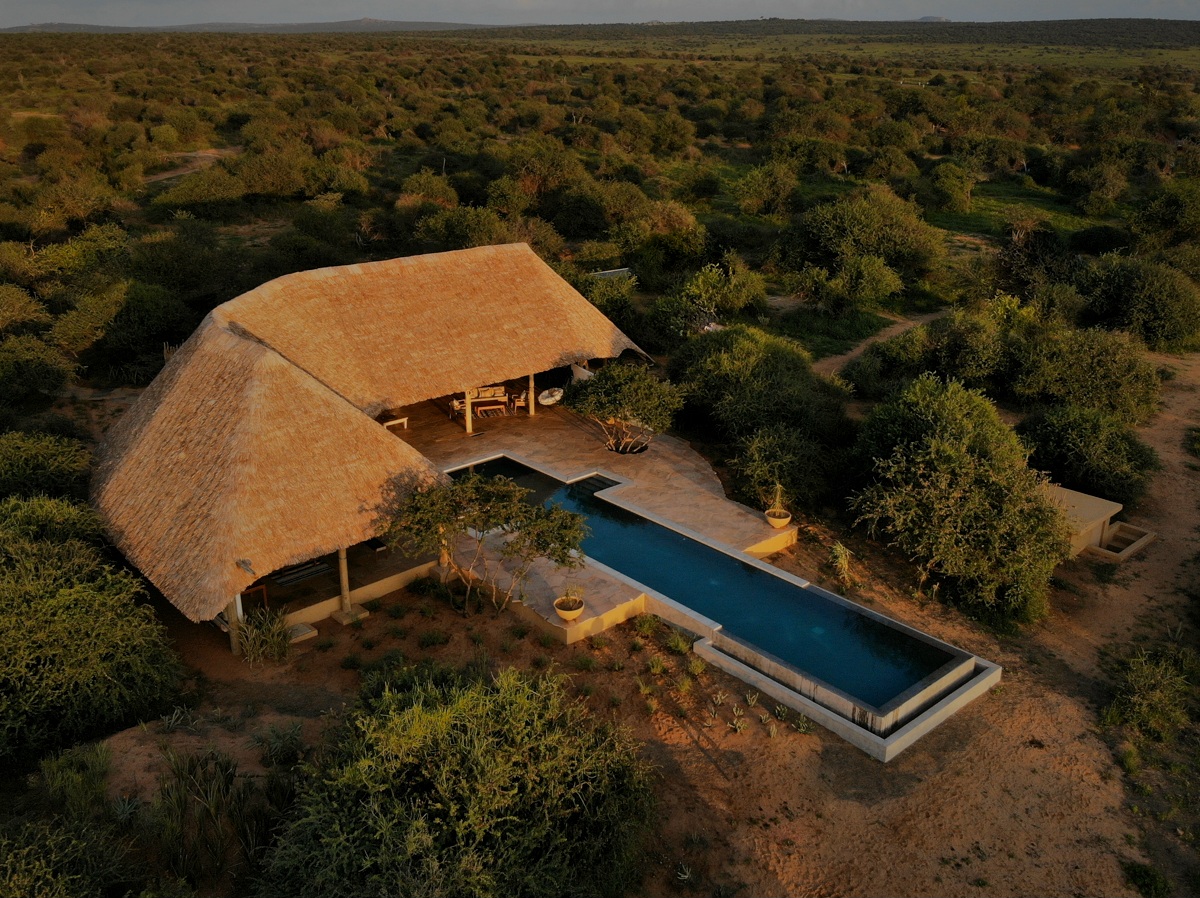
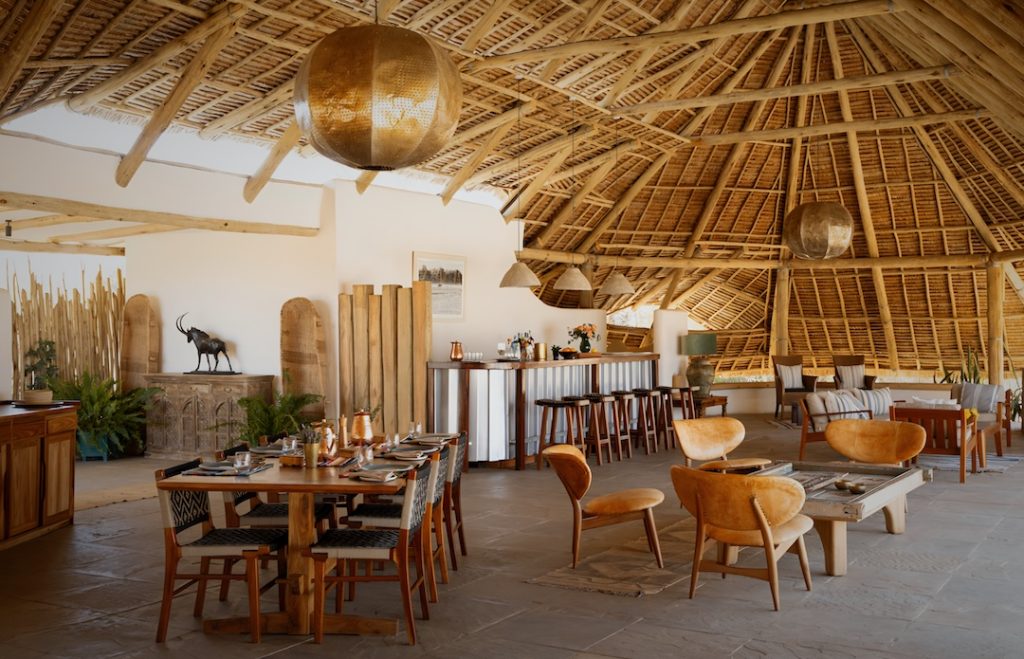
From the rawness of Tumaren, the next chapter unfolds at El Karama — a family-run lodge that has long embodied the philosophy that small is beautiful. Game drives are part of the experience, of course, but they sit alongside other offerings that add texture and intimacy: Bush Kids Club baking sessions in the lodge kitchen, wildlife runs around the track (sometimes joined by staff), and afternoons spent savouring cakes for tea or dipping into the pool.
But there’s more to El Karama than the lodge itself. Horse riding across the conservancy, fly fishing in the river, spa and sauna sessions overlooking the water (where you might catch a glimpse of hippos wallowing), a wild shamba where you can see how almost everything is grown on site (or, if not, sourced within a 40km radius) and even a safari gym gives guests a suite of ways to connect with the land at their own pace.
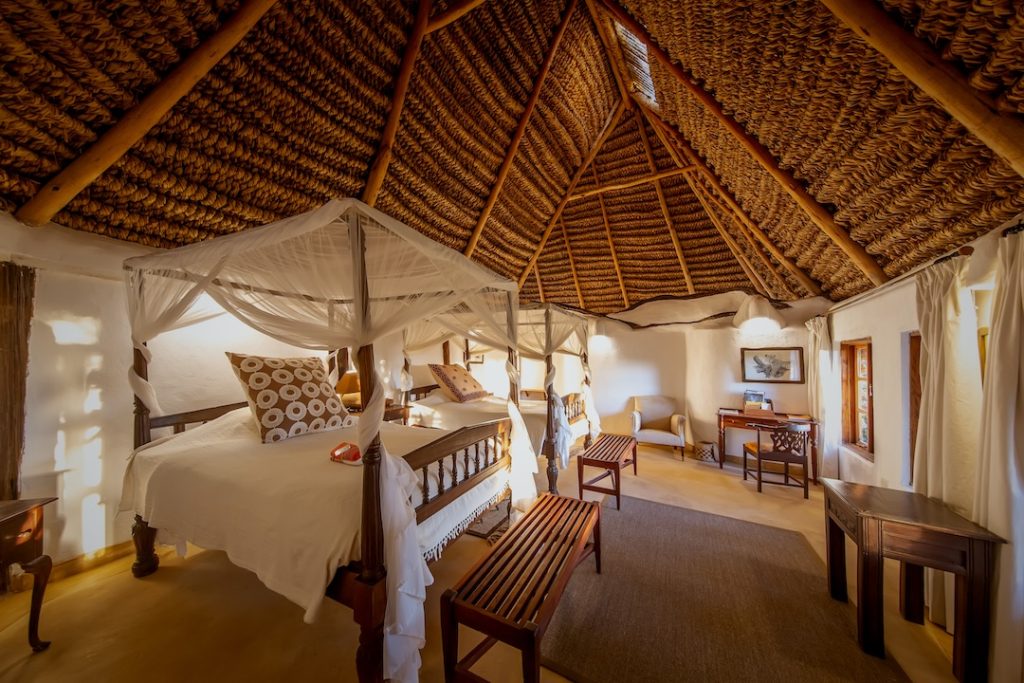
Food is a story in itself. Vegetables and herbs are grown on-site, flowers from the shamba brighten every plate, and meals are laced with creativity and care. Nilotica Private House provides an idyllic base for groups or families, with its blend of seclusion and comfort, while details like hot water bottles slipped into your bed at night or your tea preference remembered at turndown make the stay feel warm and thoughtful. El Karama is as much about people as it is about wildlife. Guests are welcomed not as outsiders but as participants in the rhythm of lodge life.
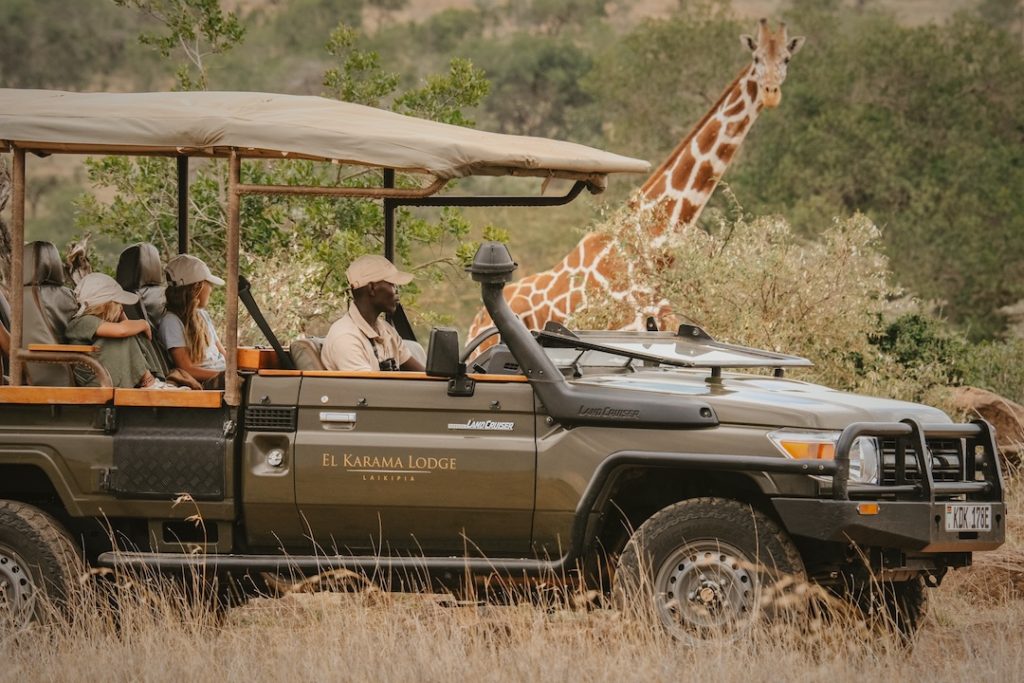


Why I love it: El Karama epitomises what a privately run conservancy can be when the people running it genuinely care. Their transparency is disarming. They openly share where everything comes from, the suppliers they work with, and the thinking behind each choice. The true colour of sustainability, it turns out, is transparent. Perfect for families or groups who want a safari with real substance.
Nights 7–9: Lewa Wilderness
Conservation at scale, with wildlife and community thriving together.
I haven’t yet stayed at Lewa Wilderness myself — it remains high on a very short list — but its reputation among the conservationists, guides, and fellow travellers I trust most in this part of the world is unmatched. I include it here because a journey through Laikipia is incomplete without it.
Lewa’s origin is part of its meaning. What began in the 1980s as a private rhino sanctuary, when the species was in freefall across Kenya, has grown into one of Africa’s most celebrated conservation models, covering 25,000 acres at the foot of Mount Kenya. The mountain is always there on the horizon, a reminder of the scale of the landscape you’re moving through. Rhinos, grevy’s zebras, elephants and over 400 bird species move across the conservancy today because generations of the Craig family, and the communities around them, decided that protecting this land was worth the long-term commitment.
Game drives, walking safaris, and horseback rides bring you into that story rather than just alongside it. Lewa is where conservation stops being a concept and becomes something you can see in the landscape itself.


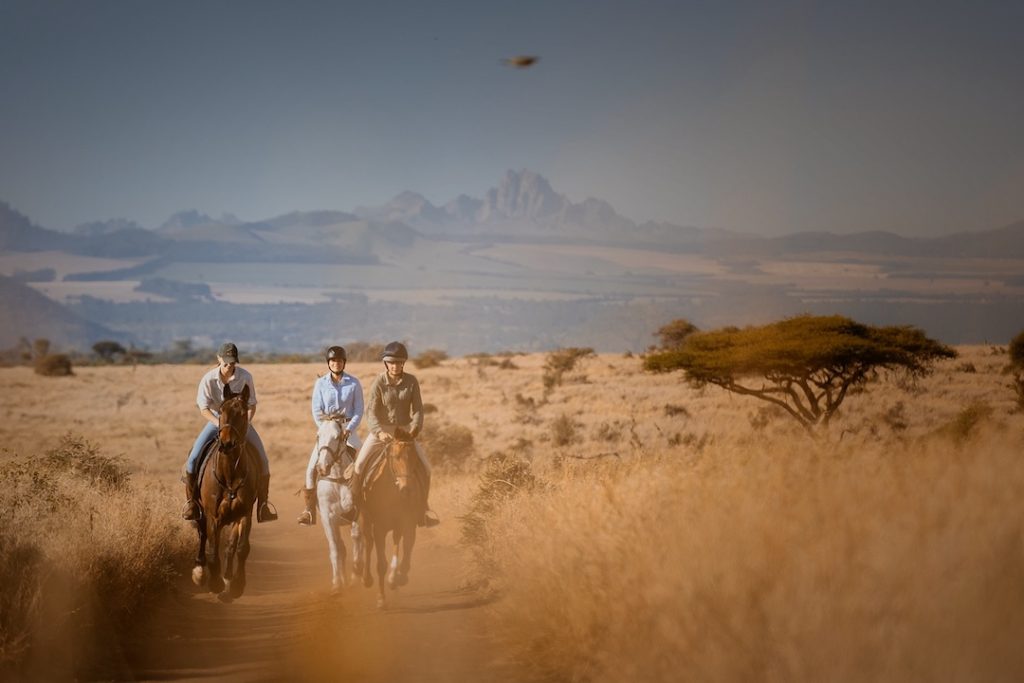
Why it belongs on this itinerary: After Tumaren’s intimacy and El Karama’s warmth, Lewa gives the journey its perspective. Thirty years of work visible in a single morning’s game drive. A fitting place to end.
Why This Itinerary Works
Tumaren, El Karama, and Lewa work because they’re genuinely different from each other. One asks you to use your feet, one to slow down and feel at home, and one to take the long view. No two days feel the same, but the journey builds.
What all three deliver, without exception: game viewing that holds its own against anywhere in East Africa, guides who make the landscape legible in ways no guidebook can, and nights so dark and quiet that the stars feel like company.
Three nights at each gives you enough time to stop counting sightings. The afternoon light on the water at El Karama. The sound of the bush at night from a Tumaren campfire. The moment at Lewa when the scale of what conservation can achieve finally lands. This is what safari looks like when you don’t rush it.
And why choose Kenya?
You’ll come for the wildlife, but you’ll return for the people.
More Details