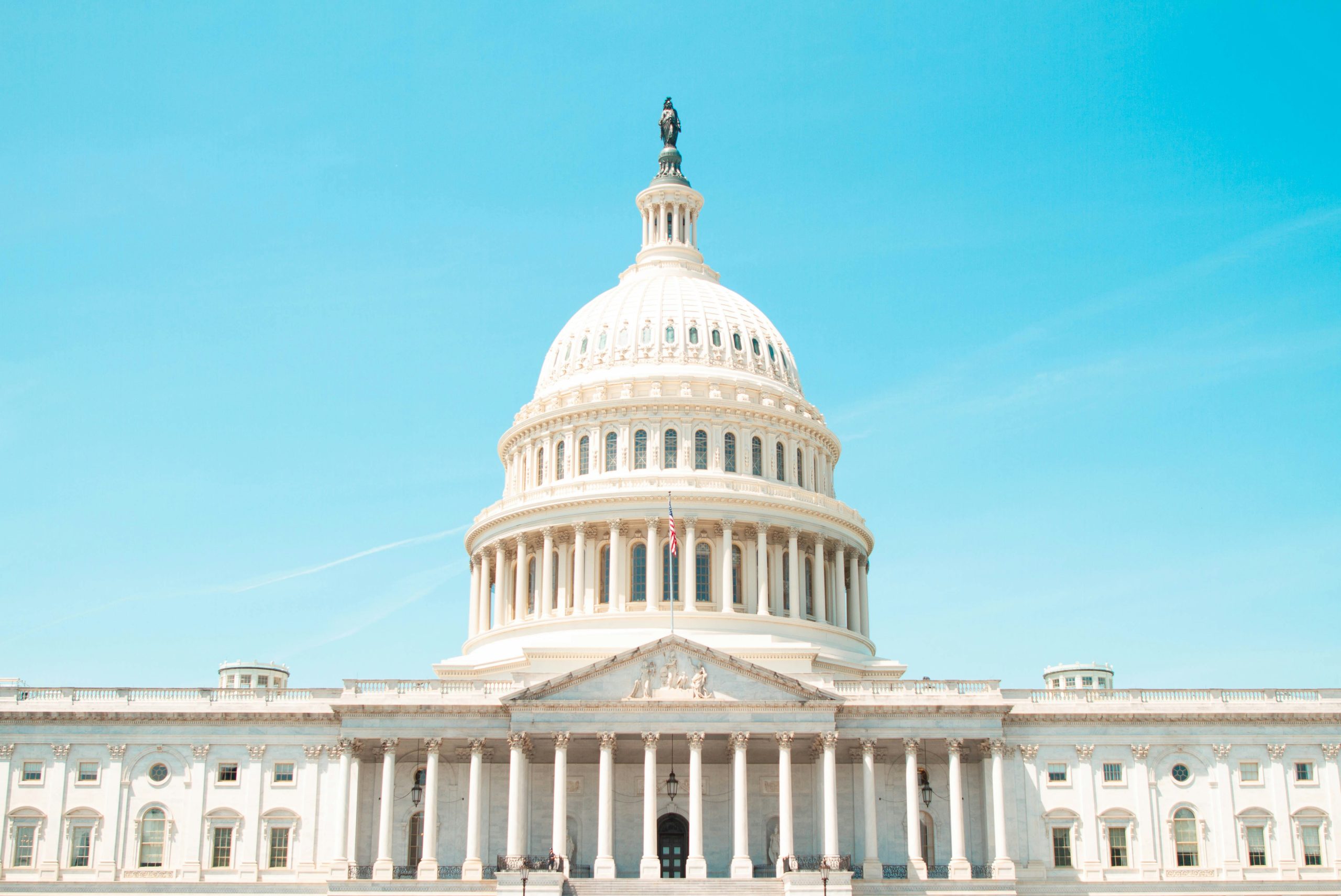
Nobody comes to Washington, D.C. for the politics. Or rather, everybody assumes that’s all there is: motorcades and the powerhouse of American government. However, spend a few days in the capital, and you quickly realise this is a city of world-class museums and historic neighbourhoods waiting to be explored. Along with some of the best luxury hotels in the United States, and a dining scene which has quietly matured into one of America’s best, with 26 Michelin-starred restaurants in the latest guide at the time of writing this article. Add direct transatlantic flights from the UK, and you have one of the most rewarding short break destinations in the United States, as Ross from The Luxury Editor discovered on a trip during spring’s cherry blossom season with Visit Washington D.C.
Planning a Visit
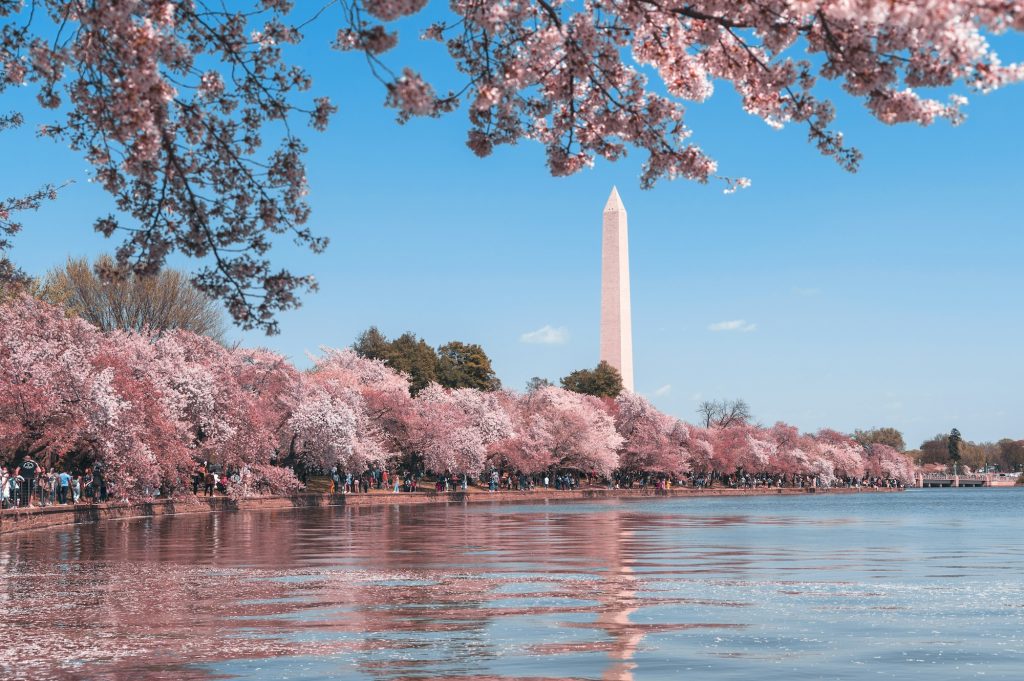
I visited during the National Cherry Blossom Festival, which runs each year from late March to mid-April, with peak bloom generally appearing in the first week of April. Thoughout the month, the festival calendar is packed with events ranging from the Blossom Kite Festival on the Mall to Petalpalooza at Navy Yard, whilst the city’s bars and restaurants celebrate cherry blossom with themed cocktails and dinner servings. You can find out more about the festival on its official website.
However, the city is a year-round destination, if you visit in 2026 and you will catch the capital in the middle of its Semiquincentennial year, marking 250 years since the Declaration of Independence was signed, the National Archives has just completed a $40 million renovation with a new AI-powered visitor experience which is incredible to experience, the historic Restored Smithsonian carousel has returned to the National Mall along with a new museum beneath the Lincoln Memorial, an expanded National Air and Space Museum and the National Geographic Museum of Exploration. Autumn brings the reopening of the Hirshhorn Sculpture Garden. So there has never been a better-stocked year to visit.

Getting There: Most transatlantic visitors will arrive at Dulles International (IAD), which is well served from UK and European hubs. I flew from Dublin, which offers the bonus of completing US immigration on the Dublin side, which makes it extremely quick, and you arrive at Dulles International (IAD) as a domestic passenger, saving a lot of time.
Getting Around: DC is a genuinely walkable city, which is easy to navigate, with most key things to see and do within walking distance. The Metro is extremely efficient and covers most key areas of the city, including access to Dulles International (IAD) in around an hour. Uber is also well integrated in the city, with fares being very reasonable. As a keen walker, I just had my trainers on the whole time and enjoyed exploring on foot.
What to Wear: I was surprised how warm the city was with the temperature, whilst I visited, in the mid to high 25/30 Celsius. So light clothes during the daytime and a jumper and light jacket for the evening. However, DC’s weather can be variable a rain jacket is advisable too.
Time Zone: Eastern Time (GMT-5, or GMT-4 during Daylight Saving), five hours behind London and three hours ahead of Los Angeles.
Passports: International visitors need a valid passport and the relevant US visa or ESTA.
One City Multiple Experiences
Washington isn’t just one city but a collection of distinct neighbourhoods, each with its own pace and personality. I was based in the Penn Quarter at the newly opened Westin D.C. Downtown, which is a fantastic area to be based. Almost everything I have listed in the subsequent sections is within easy reach of downtown. I spent three days in Washington D.C, and you definitely want a minimum of two days, but ideally three days to really explore and enjoy the city fully, as there is a lot to do.
- 14th Street & Logan Circle – The city’s busiest restaurant corridor runs through a handsome Victorian neighbourhood.
- Adams Morgan – DC’s bohemian corner, known for its nightlife, international restaurants, and independent shops along 18th Street.
- Capitol Hill – More than the dome, it’s a residential neighbourhood of row houses fanning out behind the Capitol, home to the Library of Congress, the Supreme Court, historic Eastern Market, and the restaurant row of Barracks Row.
- Dupont Circle & the West End – The leafy cosmopolitan quarter: embassy rows, bookshop-cafés and The Phillips Collection, with much of the city’s discreet luxury close by.
- Foggy Bottom – Between the White House and Georgetown, home to the Kennedy Center for the performing arts and the infamous Watergate complex.
- Georgetown – Older than Washington itself: Federal-era townhouses, cobbled lanes, canal-side calm and the city’s best boutique shopping, all at half the speed of downtown.
- The National Mall & Tidal Basin – A two-mile sweep of monuments and free Smithsonian museums, with the cherry-ringed Tidal Basin to the south.
- Navy Yard – The riverside quarter around Nationals Park, where baseball, breweries and a boardwalk along the Anacostia have transformed a former industrial stretch; liveliest on game days from spring.
- Penn Quarter & Chinatown – The city’s engine room and the most practical base, theatres, designer shopping and arena sports in a few walkable blocks, with the Mall a short stroll south.
- U Street & Shaw – The historic heart of Black Broadway, pairing deep African American history with one of DC’s best independent dining and live music scenes.
- Union Market District – A reborn wholesale market of food halls, makers and rooftop bars northeast of Capitol Hill, with Michelin stars on its doorstep.
- The Wharf – The city’s showpiece waterfront development in Southwest, a mile of piers, promenades, oyster bars and music venues along the Potomac, at its best at sunset.
This is not an exhaustive list of things to do in the city, but a good starting point to help you get a real feel for it.
The National Mall & Tidal Basin
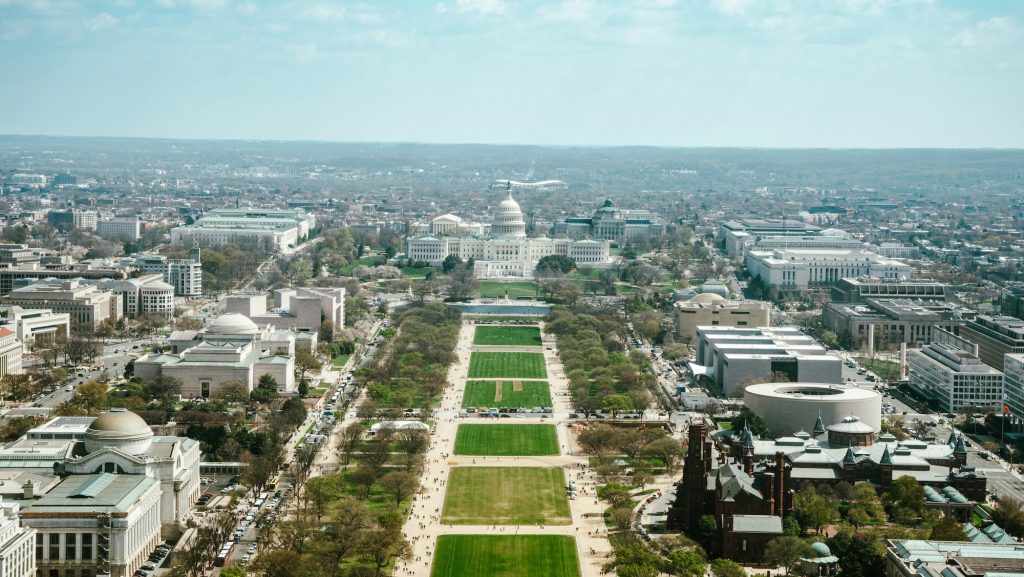
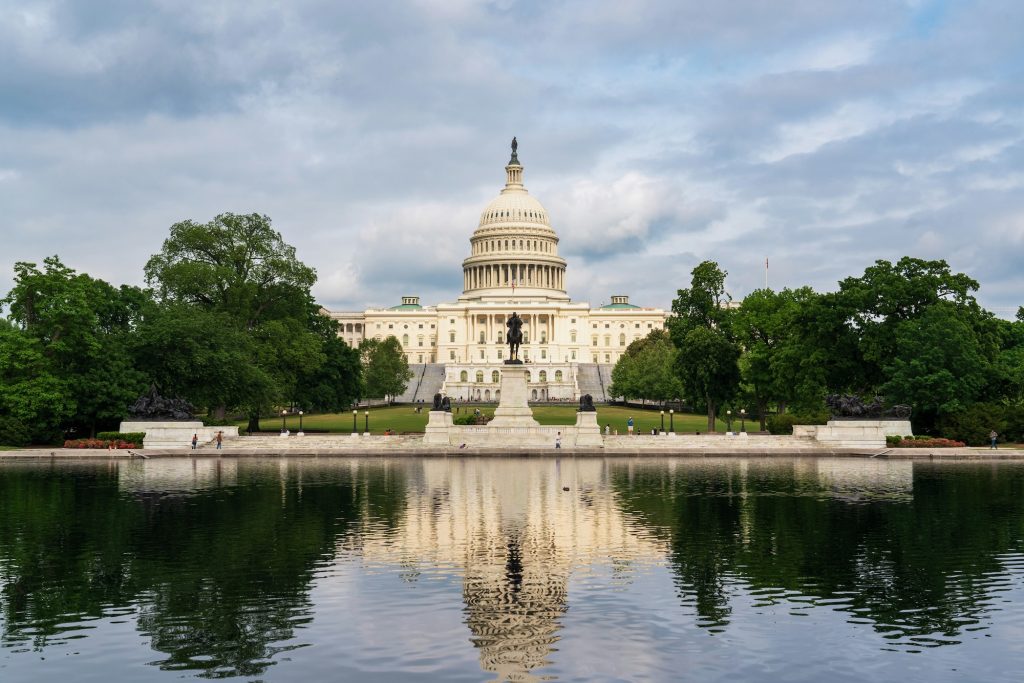
This is the Washington, D.C. most people imagine: the huge two-mile sweep of green from the Capitol Building to the Lincoln Memorial. It’s hard to walk it without feeling the weight of American history; this is the national stage where the “I Have a Dream” speech rang out and where movements and celebrations have always gathered to be heard. The Mall is flanked by some of the world’s great museums, almost all of which are free. And to the south, ringing the Tidal Basin, are the cherry trees that draw the city’s biggest spring crowds.
The National Archives
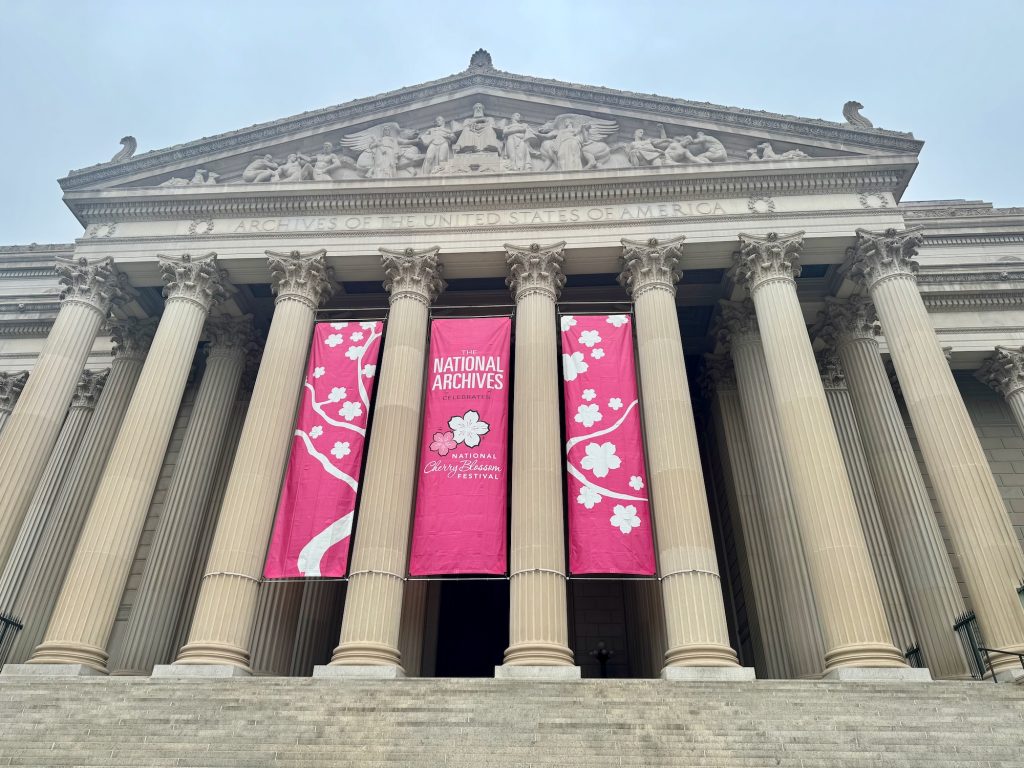
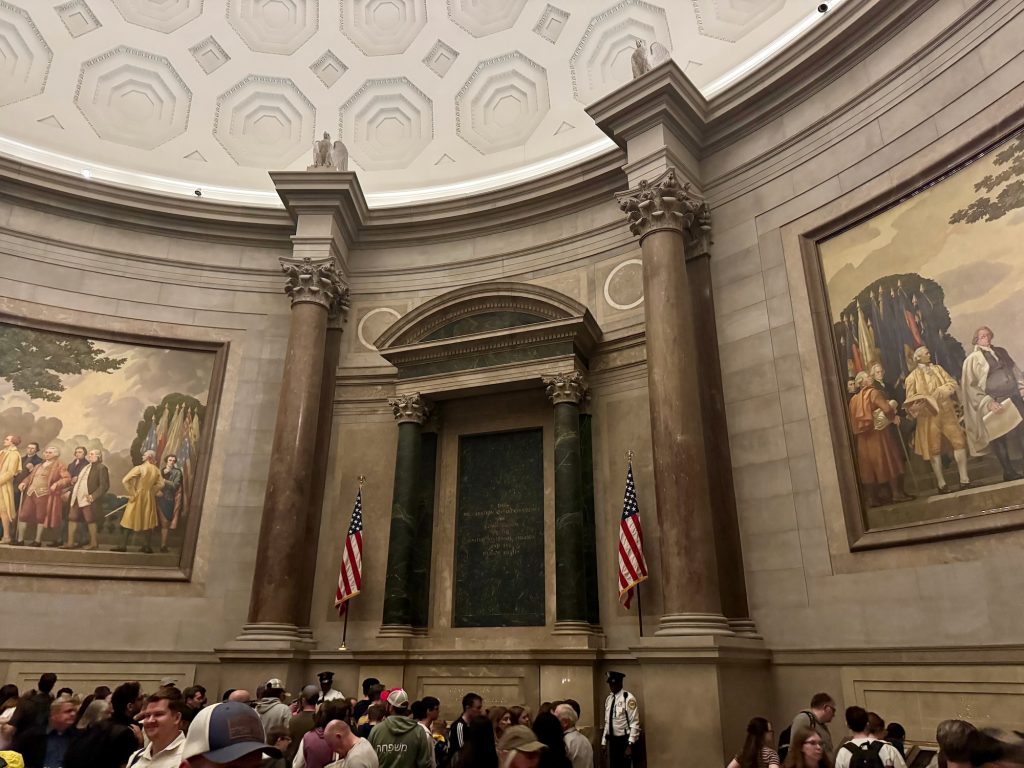
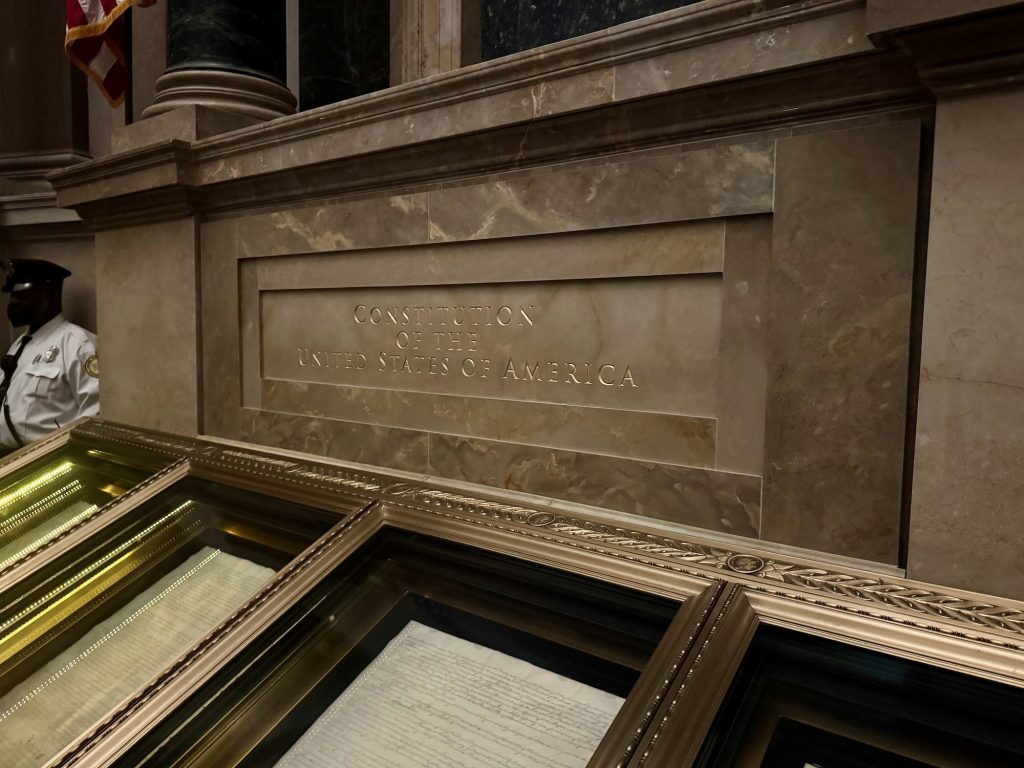
We spent an afternoon at the National Archives, home to the original Declaration of Independence, the Constitution, and the Bill of Rights, and in the nation’s 250th year, there is nowhere more fitting to see them. The Rotunda forms the cornerstone of the building, a domed, mural-lined chamber where the founding documents sit in gilded cases, and visit now, and you’ll find five charters rather than three: the 19th Amendment and the Emancipation Proclamation joined the display in newly designed cases in March 2026, timed for the Semiquincentennial. The room is busy, the light kept deliberately low, so expect to shuffle past history rather than linger over it.
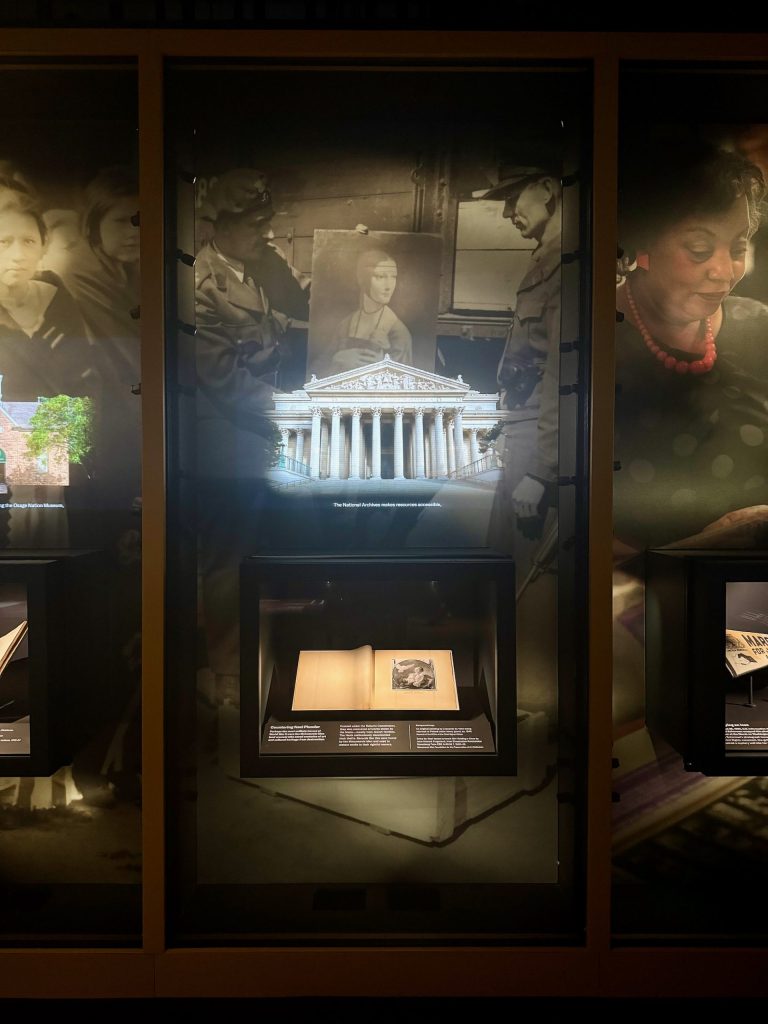
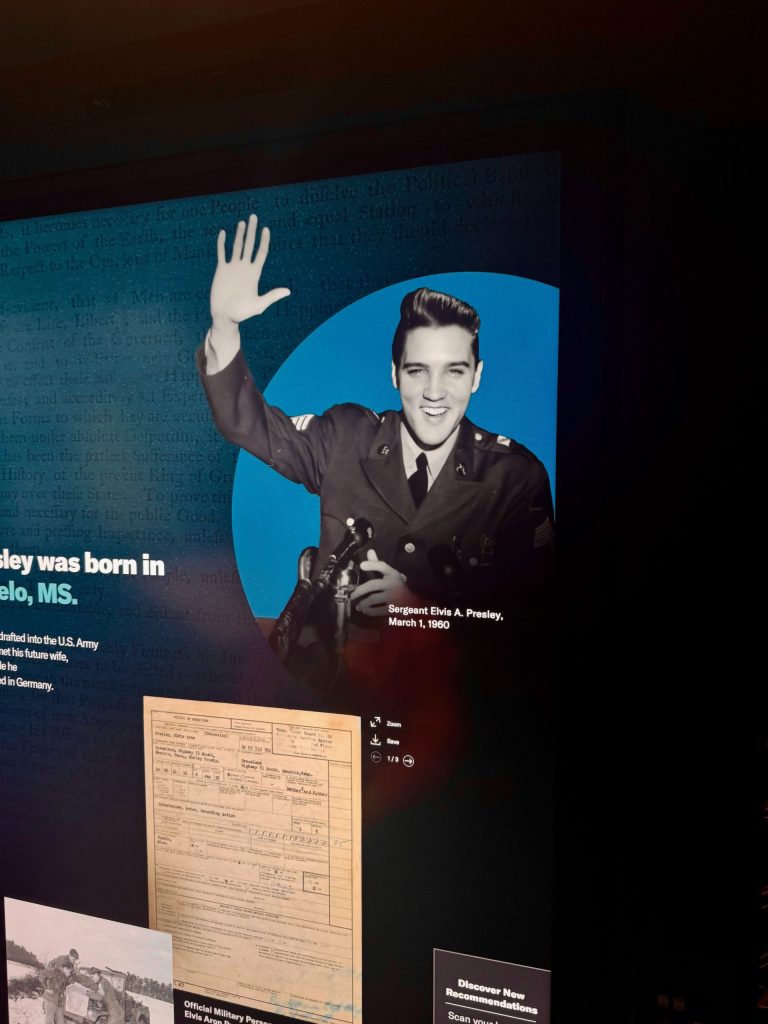
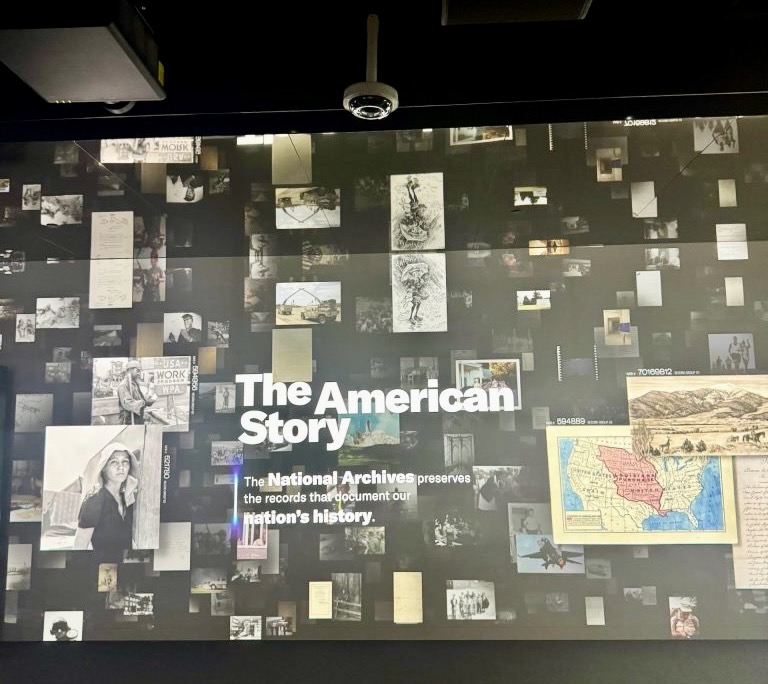
The American Story is their new permanent exhibition unveiled in November 2025 after a $40 million renovation, which is the museum’s first in over twenty years. It’s an incredibly clever use of technology. You scan a QR code, choose the themes that interest you, and AI-powered kiosks across nine galleries surface records matched to your picks, from Elvis Presley’s military service papers to the moon landing. Everything you save can be revisited online at home afterwards.
Lincoln Memorial
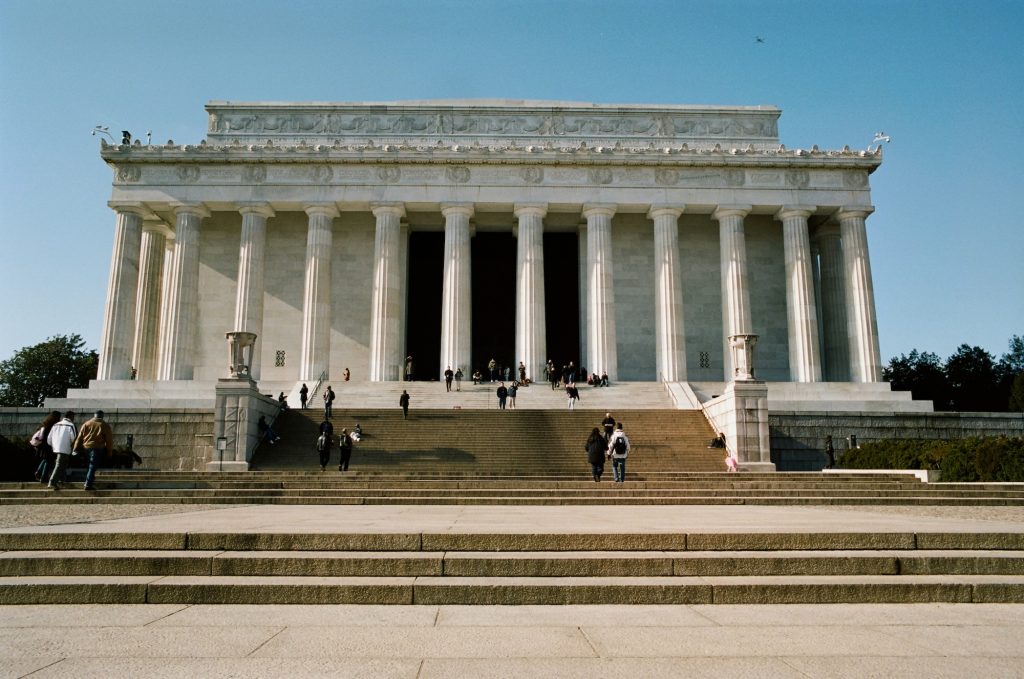
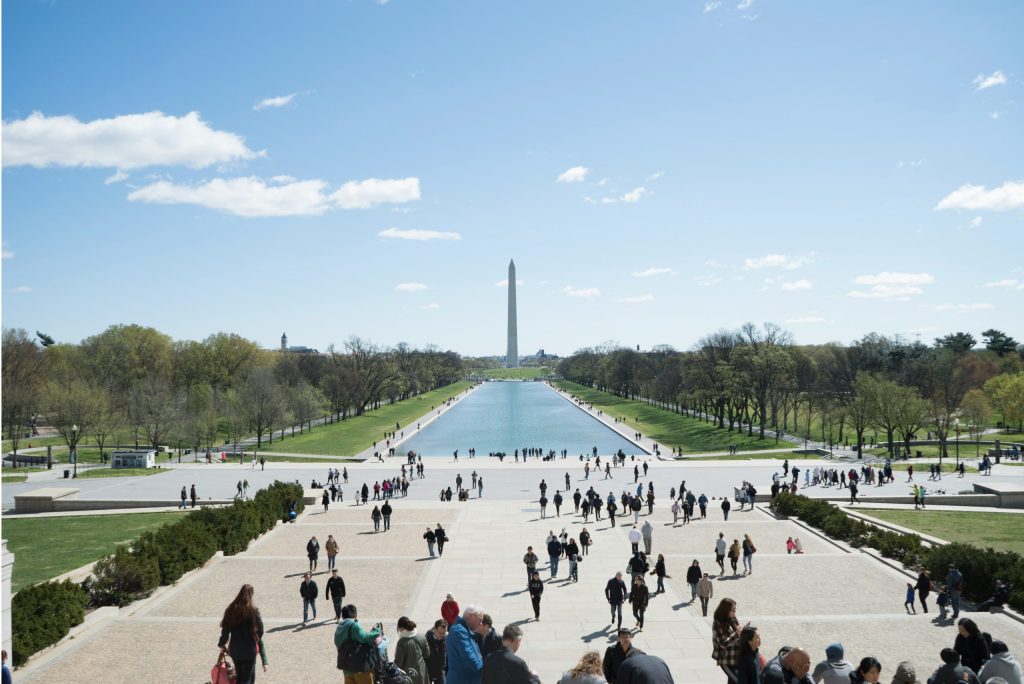
From the Archives, we walked the length of the Mall to the Lincoln Memorial, which is around a mile and a half, passing the Washington Monument and the World War II Memorial, before the reflecting pool draws you into the final stretch. Climb the steps, turn at the top, and you get the famous view of the reflecting pool with the Capitol beyond. There’s now a second reason to visit. In June 2026, the National Park Service opened the Lincoln Memorial Undercroft Museum, a 15,000 sqf exhibition space carved from the vast concrete chamber that has sat sealed beneath the memorial since 1922. Visitors can now descend among the 122 columns that hold Lincoln aloft to find original copies of the Emancipation Proclamation and the 13th Amendment, along with cartoon graffiti left by the construction workers of 1914, preserved behind glass. Entry is free with timed tickets via recreation.gov.

From the Lincoln Memorial, we retraced our steps along the Mall, passing the Smithsonian museums. We didn’t have time to go inside on this trip, which is almost a crime given that nearly all of them are free: the National Museum of Natural History, the National Air and Space Museum, the National Museum of American History and more than a dozen others and look out for that rather handsome-looking red sandstone Castle that has been the institution’s home since 1855, but currenrly closed for refurbishment, but worth taking a picture ofi. Museums are free but generally require timed passes, so book ahead. Realistically, at each museum, you could spend half a day, so even the museums alone can fill a long weekend. We finished the afternoon at the Capitol, which demands a photograph, and from there, it was a leisurely thirty-minute walk back to the hotel.

Sunrise at Jefferson Memorial and Tidal Basin
The next day, the alarm was set for a sunrise walk around the Tidal Basin as the sun came up behind the Jefferson Memorial. The cherry trees caught the first light, and you practically have the Tidal Basin to yourself, bar some joggers. Give yourself at least an hour to walk the loop, taking in the Jefferson, FDR, and Martin Luther King Jr. memorials along the way. Whilst I was there for Cherry Blosson the Basin rewards a visit at any hour and any time of the year and the view from between the columns inside the Jefferson Memorial, looking back across the water towards the White House, is one of the city’s great framed views, and so the story goes, the memorial sits directly on the White House’s axis, and Jefferson’s statue was positioned facing it, to keep a watchful eye on the presidency.

Penn Quarter
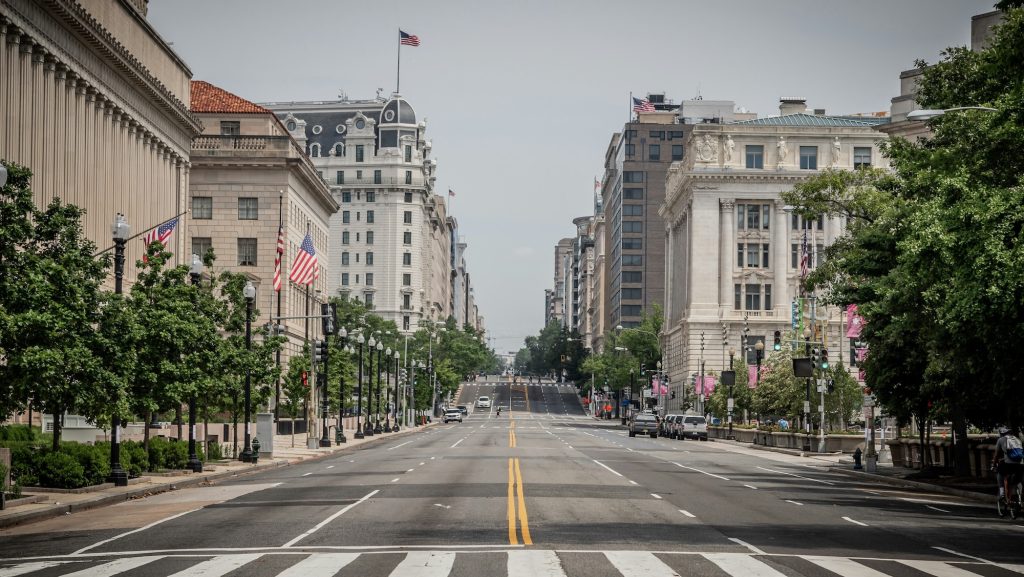
We were based in the Penn Quarter, where Pennsylvania Avenue cuts diagonally through it, the city’s most famous thoroughfare that links the White House to the Capitol and carries every inaugural parade. Originally, this was the downtown neighbourhood and has recently been reborn as the city’s engine room, full of hotels, theatres, CityCenterDC’s designer shopping, and Capital One Arena packed into a few very walkable blocks, with the Mall a short stroll south.
Capital One Arena
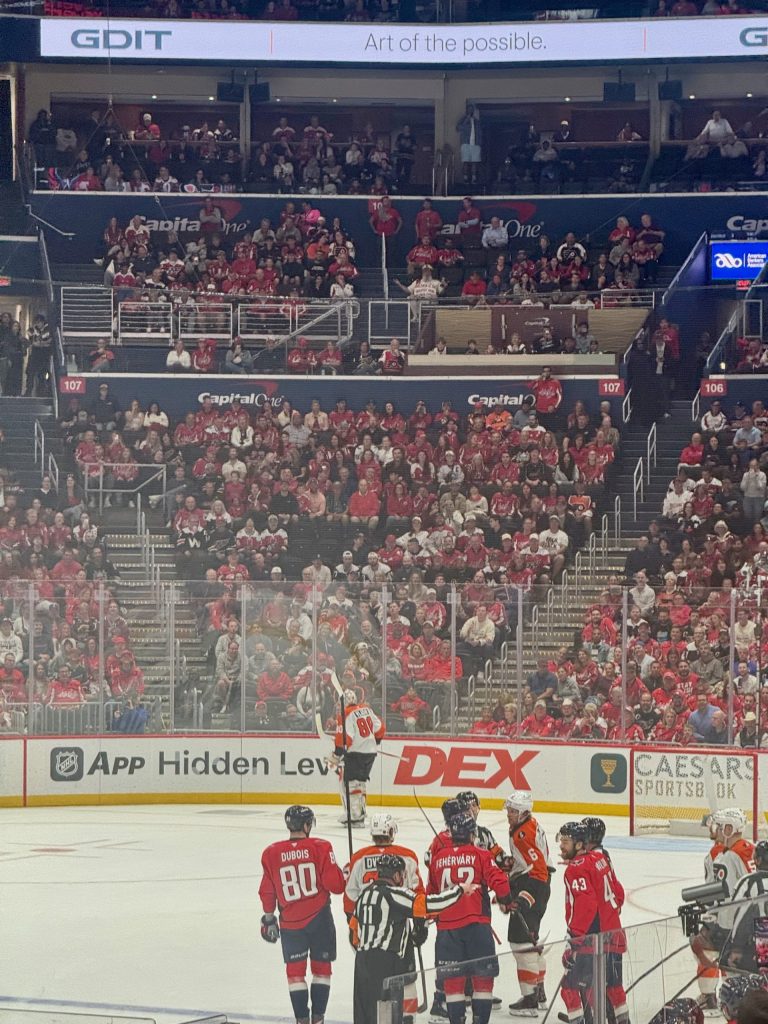
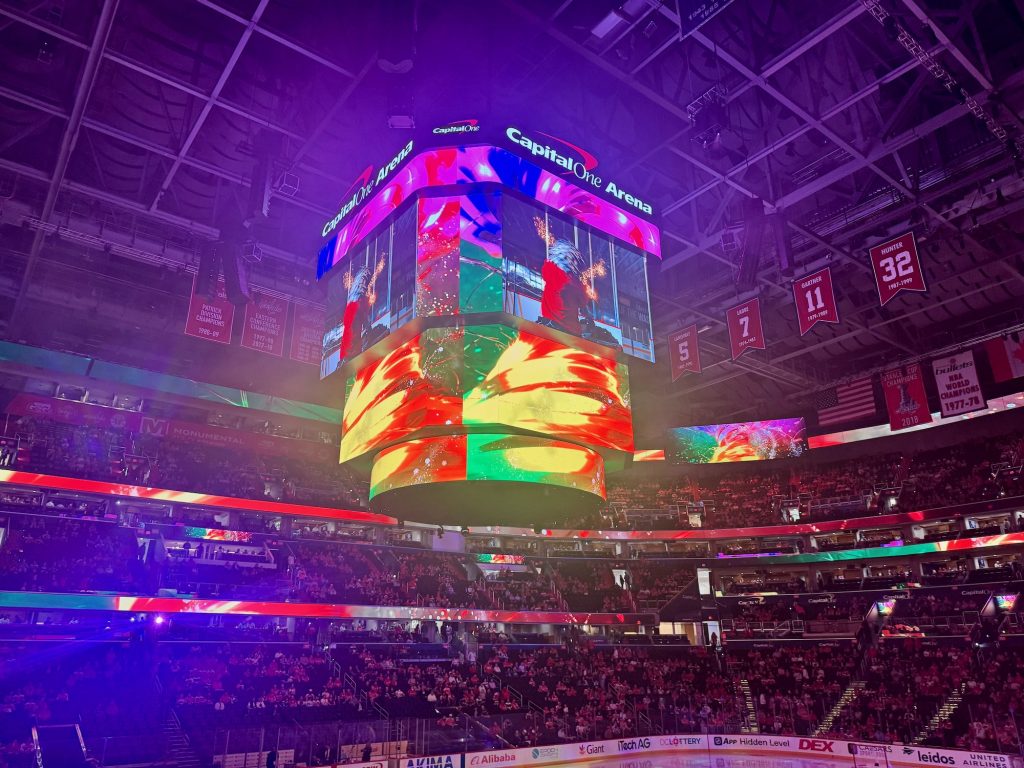
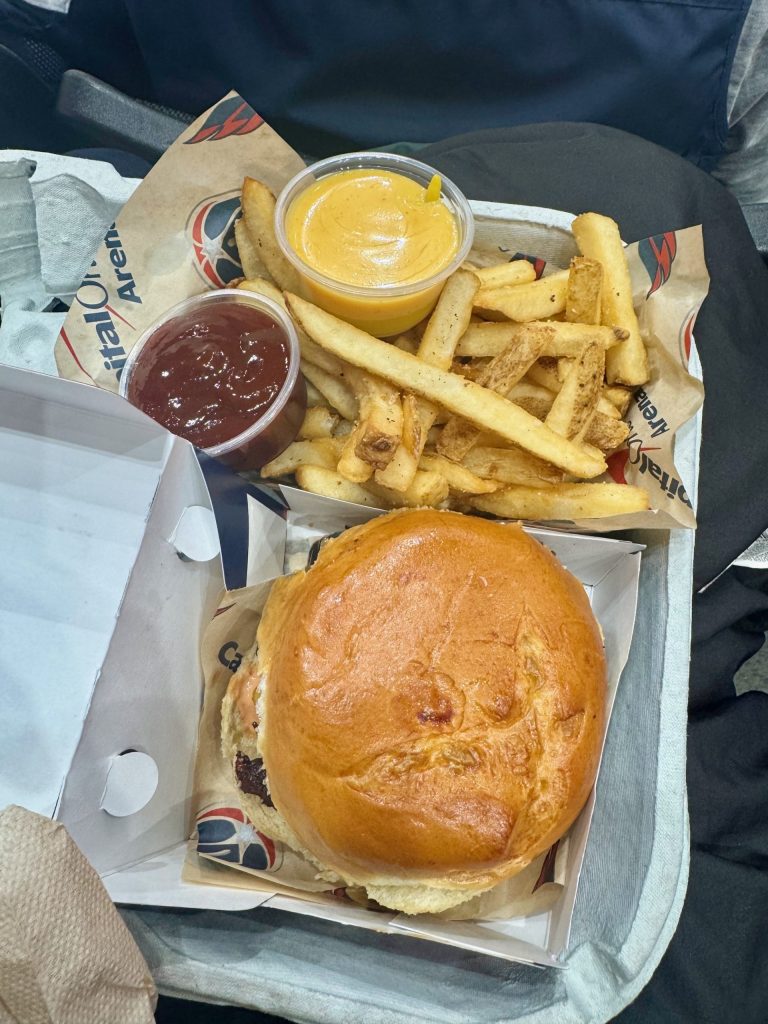
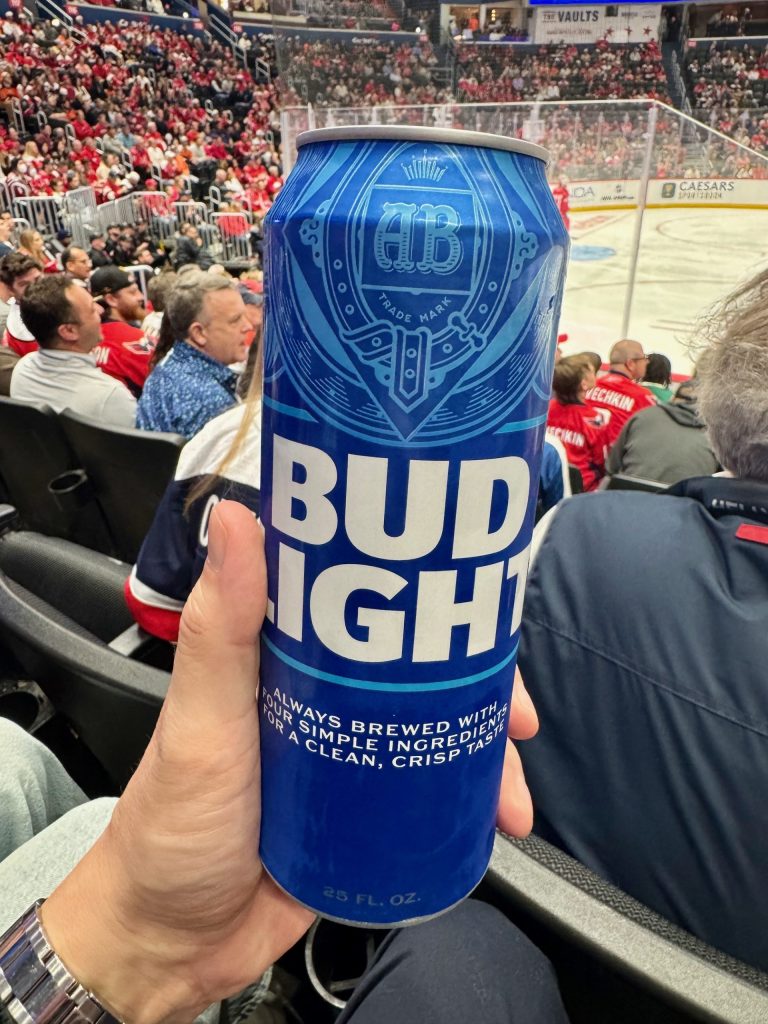
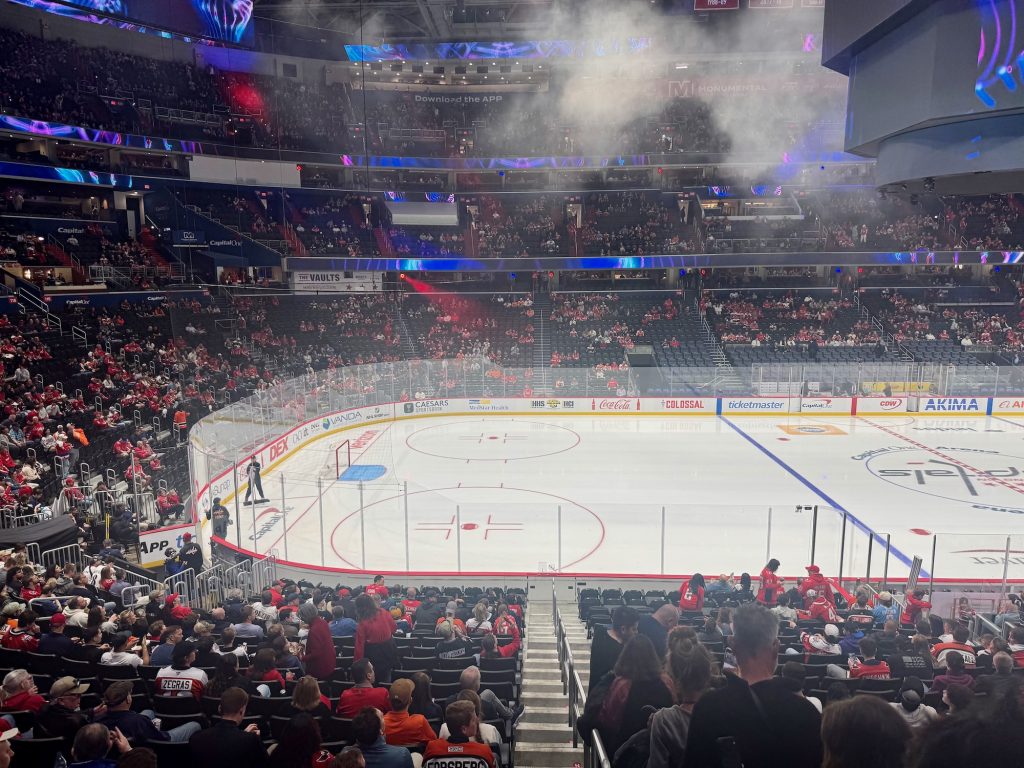
Washington is a sports town, and a frenetic one. I’m not much of a sports fan, but this genuinely entertained me. The Capital One Arena was a ten-minute walk from the hotel, where you can see live ice hockey thoughout the week, and the production alone is worth the ticket price. You don’t need to understand the rules to get swept along, think light shows, klackstons sounding, a giant four-sided screen hanging over the ice, and audience participation games during the intervals, all washed down with the quintessential arena order of a burger, fries, and an oversized can of American beer, eaten from your lap as play resumes. The Wizards, DC’s NBA team, share the arena; the Nationals play baseball at Navy Yard in the spring.

Chinatown
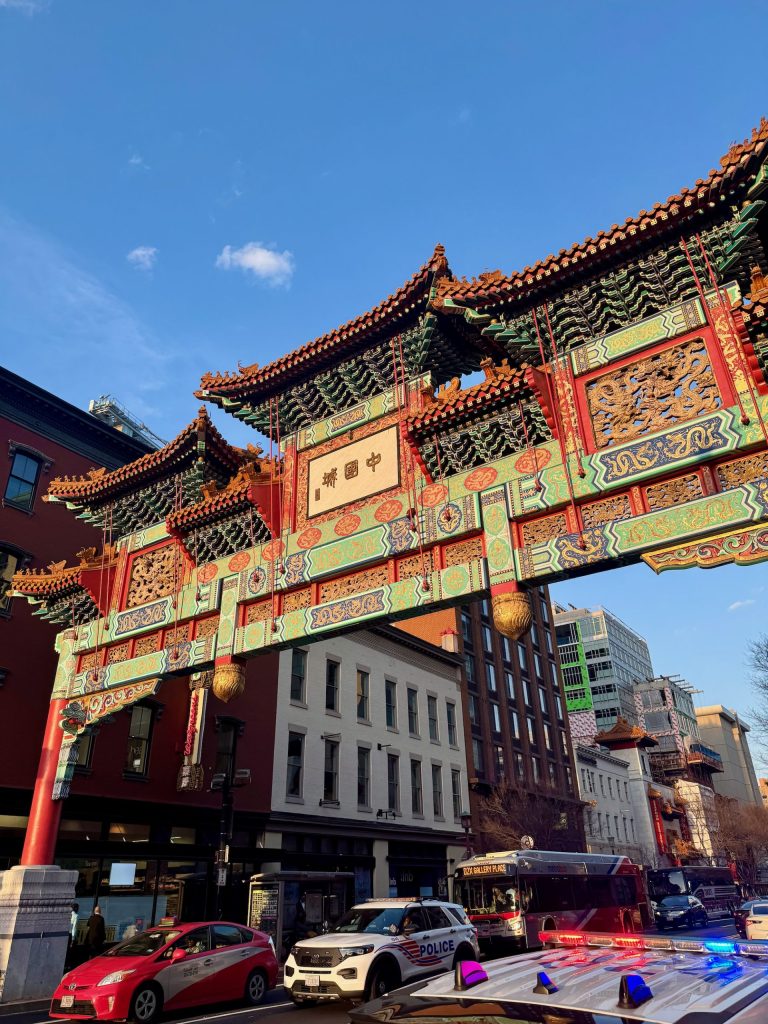
Washington’s Chinatown is compact, a handful of blocks around H and 7th Streets. The Friendship Archway was dedicated in 1986 as a joint project with Beijing, DC’s sister city, and remains one of the largest traditional Chinese archways outside China, while local planning rules require businesses here to display their names in Chinese characters, so even the global coffee chains wear hanzi signage. The neighbourhood sits against Capital One Arena, which means very lively on game nights, and it’s a nice stop between downtown and the Portrait Gallery.

CityCenterDC
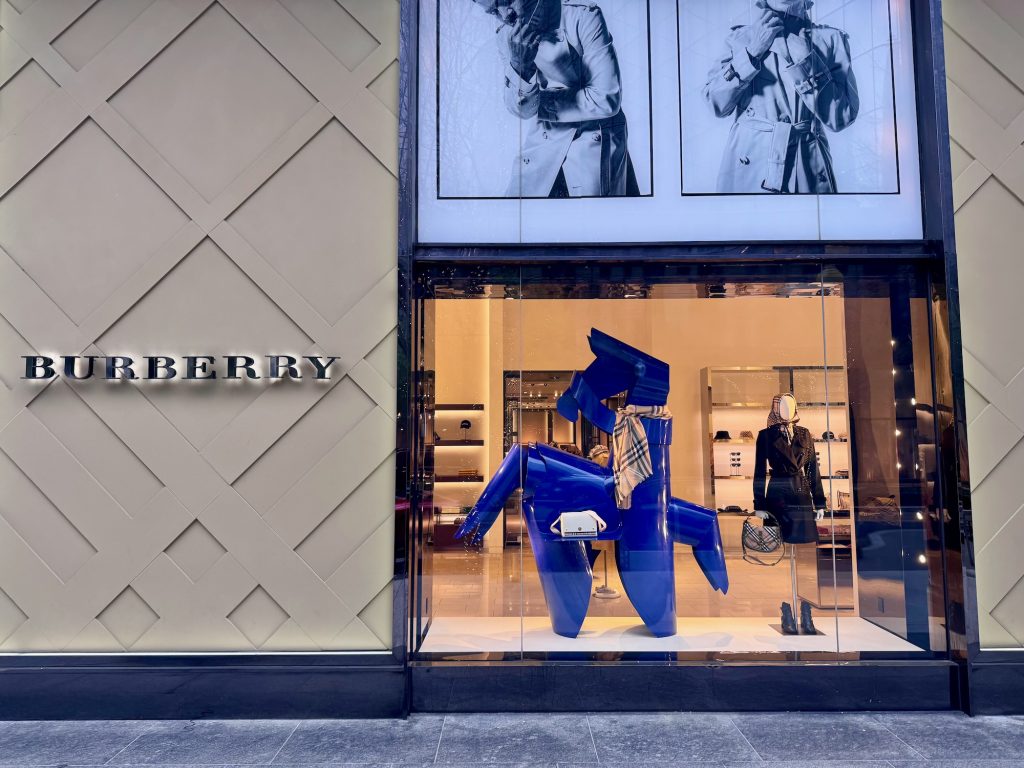
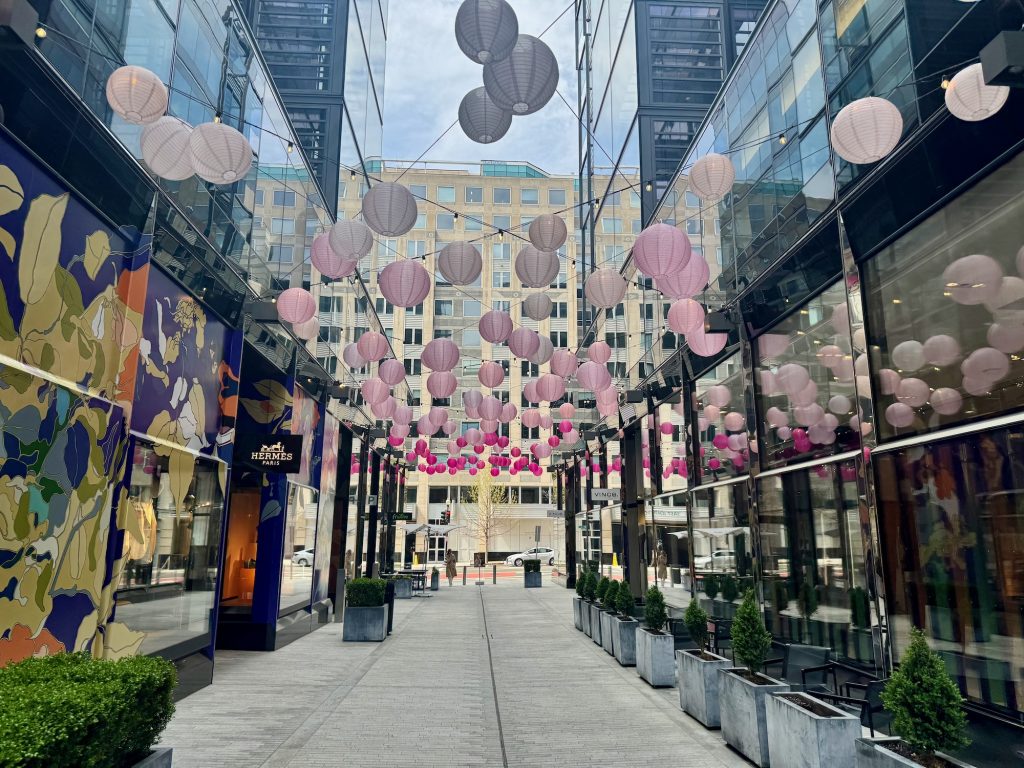
Directly across the road from the hotel sits the relatively new CityCenterDC, the capital’s answer to a luxury shopping quarter, an open-air cluster of designer flagships arranged around Palmer Alley, a pedestrian lane, where you can find Hermès, Christian Louboutin, and Burberry among them, alongside a handful of smart cafés and restaurants. Beyond downtown, Georgetown holds the best boutique and independent shops along M Street and Wisconsin Avenue, Union Market is the place for local makers and food-led gifts, and Dupont Circle has an excellent selection of second-hand bookshops.

The National Portrait Gallery, Ford’s Theatre and The International Spy Museum
Time didn’t allow, but three stops are worth highlighting for a longer visit. The National Portrait Gallery and Smithsonian American Art Museum share the magnificent Old Patent Office Building, joined by the glass-canopied Kogod Courtyard, and the America’s Presidents gallery holds the official portraits, including the Obama paintings. Ford’s Theatre, where Abraham Lincoln was assassinated in 1865, is still a working stage as well as a museum, and in the nation’s 250th year, its story lands with particular weight. And the International Spy Museum, one of the few paid attractions in the city, is consistently ranked among DC’s most entertaining: a slick, interactive dive into espionage, fittingly located in a city built on secrets.
Have a cocktail in the Marriott Marquis or the JW Marriott
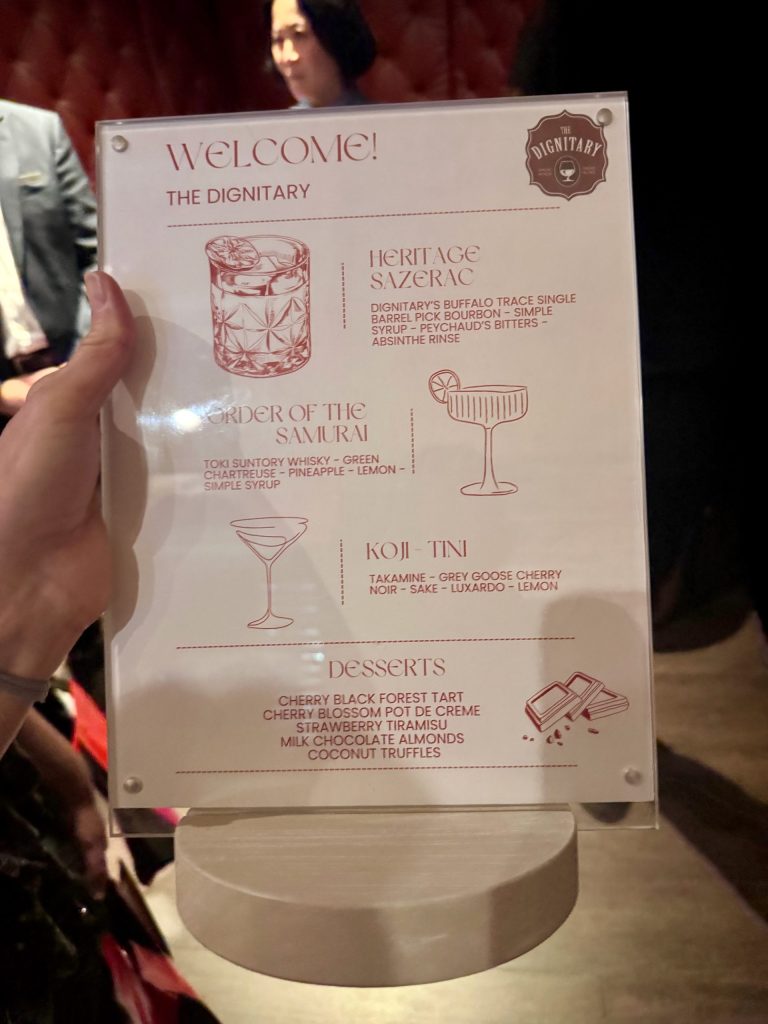
If you like a cocktail, two hotel bars which are worth visiting include The Dignitary, tucked inside the Marriott Marquis beneath its soaring glass atrium, is a bourbon drinker’s bar: the list runs deep on American whiskey, including the bar’s own single barrel pick from Buffalo Trace. A few blocks away at the JW Marriott, order a Gin Rickey and you will be sipping history. The hotel stands on the former site of Shoomaker’s, the storied nineteenth-century saloon where the Rickey was invented in 1883, and the gin version remains Washington’s definitive native cocktail.

Where to Eat in the Penn Quarter
- minibar by José Andrés – The two-Michelin-starred jewel in the crown of DC’s most famous chef. A handful of counter seats, a procession of playful, avant-garde courses, and an experience that helped define the modern capital dining scene. The hardest, and most rewarding, reservation in town.
- Jônt – Chef Ryan Ratino’s two-star tasting-menu counter, where an open kitchen sends out a precise, live-fire-driven menu to a small, hushed room. Pair it with a stay nearby and make a night of it.
- Rania – A lavish, design-led downtown room reimagining Indian fine dining, and one of the city’s more recent Michelin additions. A confident, contemporary choice.
Union Market District
Northeast of Capitol Hill lies the clearest evidence of how far DC’s food scene has come. Union Market District grew out of the city’s old wholesale quarter, where traders have sold produce since the 1930s, and for decades, it was somewhere visitors had no reason to go. Its rebirth began in 2012, when the market hall reopened as a curated food hall, and the surrounding blocks have followed. Today, it’s several streets of food halls, independent makers, rooftop bars and some of the city’s most ambitious restaurants, from Latin American marketplace dining to Michelin-starred tasting menus.
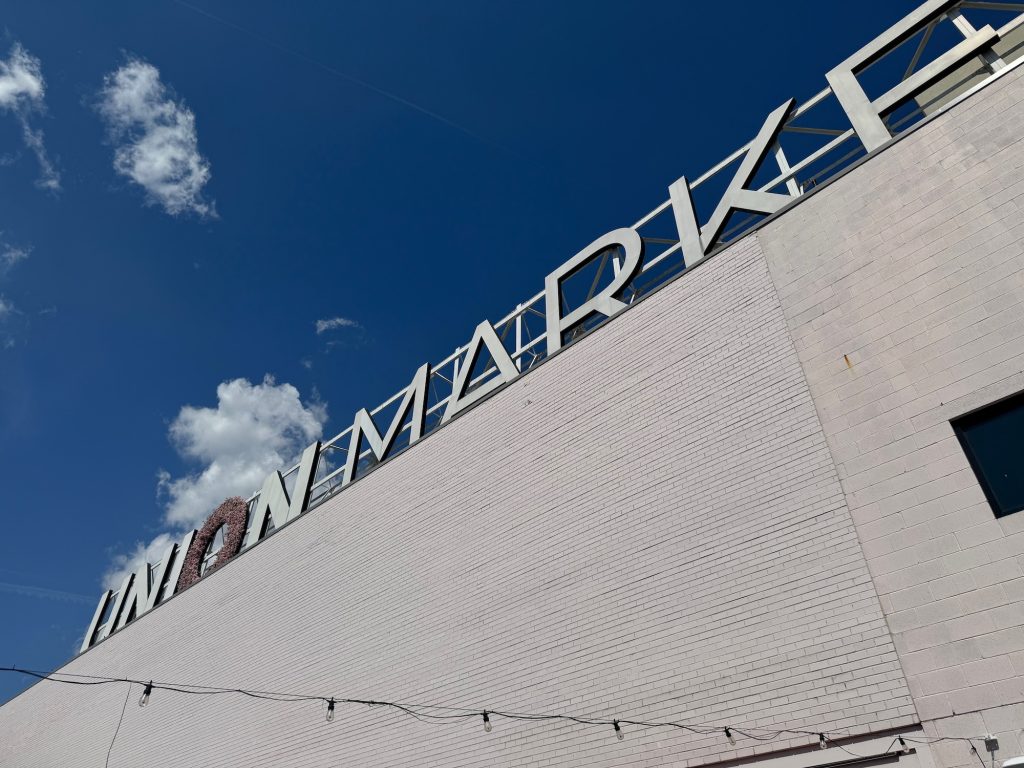
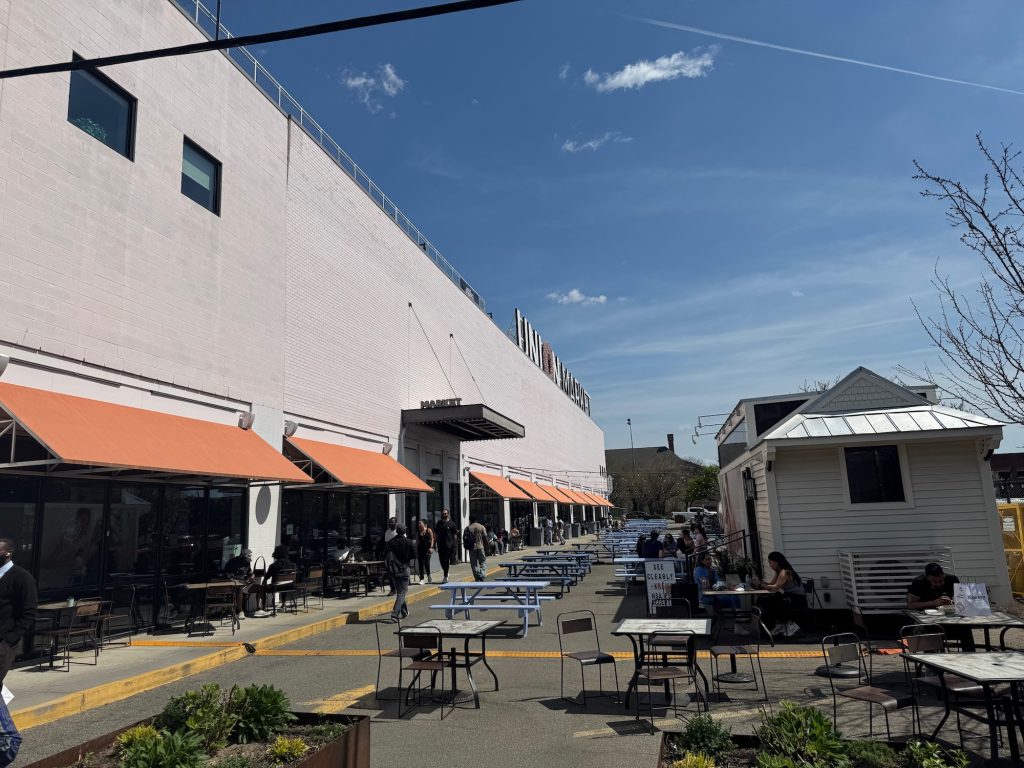
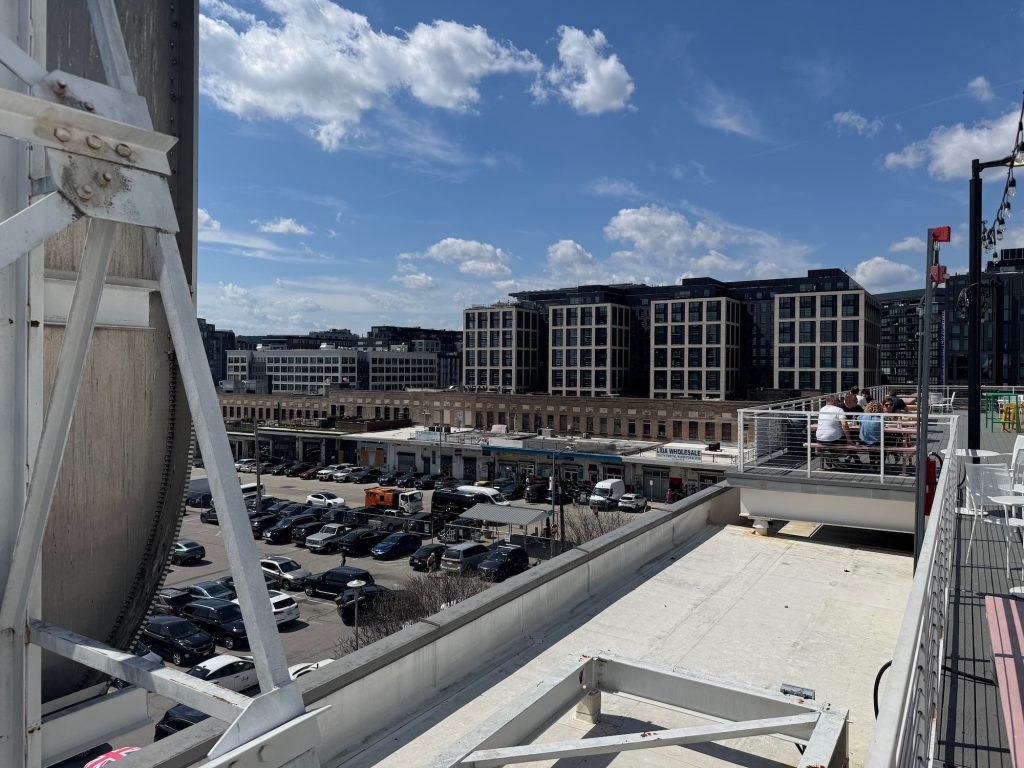
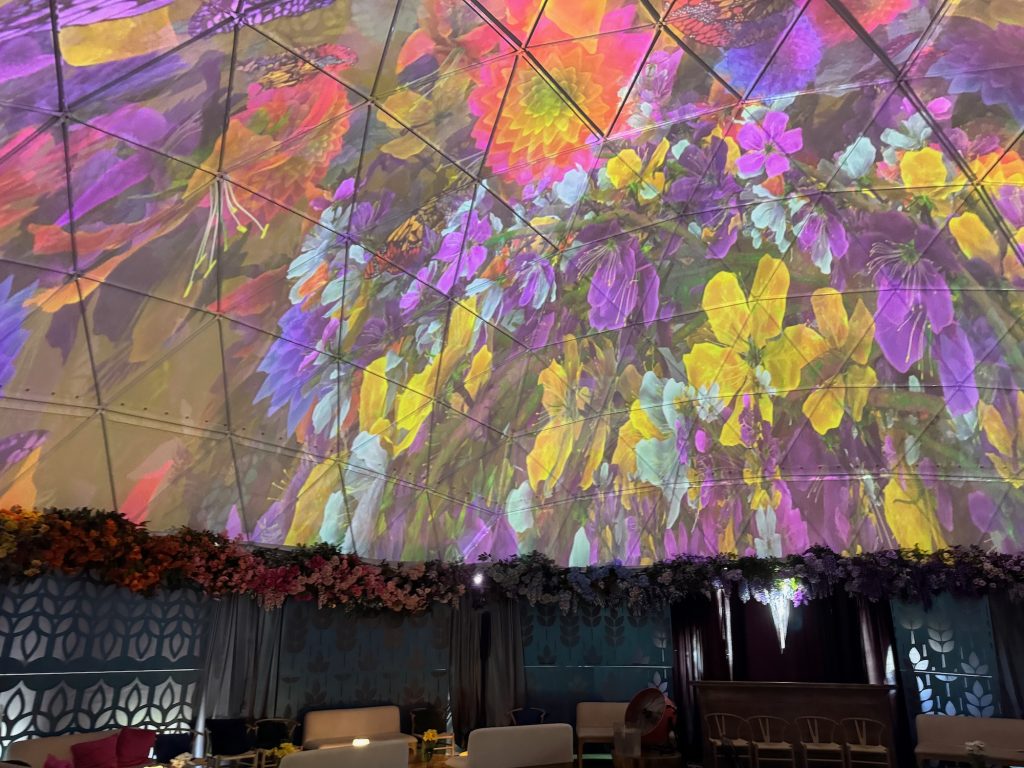
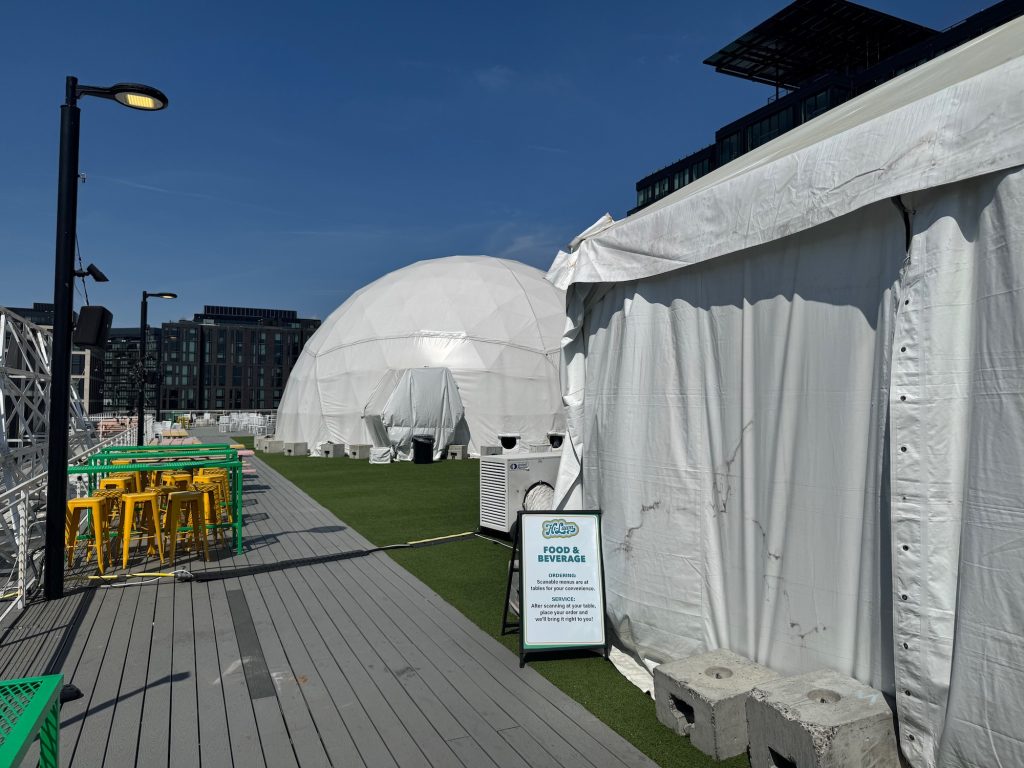
We had lunch at Hi-Lawn, the open-air rooftop bar and lawn perched on top of the market hall, with views back across the city. During blossom season, the rooftop goes a step further and in collaboration with ARTECHOUSE Studio, its dome is transformed into Peak Bloom, a 45-minute immersive show of digital petals, light and motion projected 360 degrees overhead.
Love, Makoto
Heading back towards downtown, in the Capitol Crossing development between Chinatown and Union Station we had lunch at Love, Makoto. Chef Makoto Okuwa arrived in DC from Japan more than twenty years ago as a young sushi chef, went on to work under Iron Chef’s Masaharu Morimoto and open restaurants across the Americas, and this 20,000 square foot complex is his homecoming. The city’s first food hall dedicated entirely to Japanese food, gathering four concepts under one roof. Dear Sushi is the omakase counter. Beloved BBQ puts smokeless grills at the centre of each table for cook-your-own Wagyu, Hiya Izakaya handles highballs and robata skewers, and Love on the Run covers grab-and-go. You can read our full review here.


Dining Recommendations
- La Cosecha – Next door to Union Market, this light-filled Latin American marketplace is a destination in its own right, a collection of restaurants, cafés and makers celebrating the food and design of Latin America. Graze your way through, or settle in for a long lunch.
- Masseria – Nicholas Stefanelli’s Puglia-inspired tasting menu, with a firepit-lit courtyard that’s one of the city’s best outdoor tables. The area’s standout fine-dining draw.
- El Cielo – Juan Manuel Barrientos’s theatrical Colombian tasting menu, tucked inside the La Cosecha marketplace, with a molecular, multi-sensory format unlike anything else in DC.
Georgetown
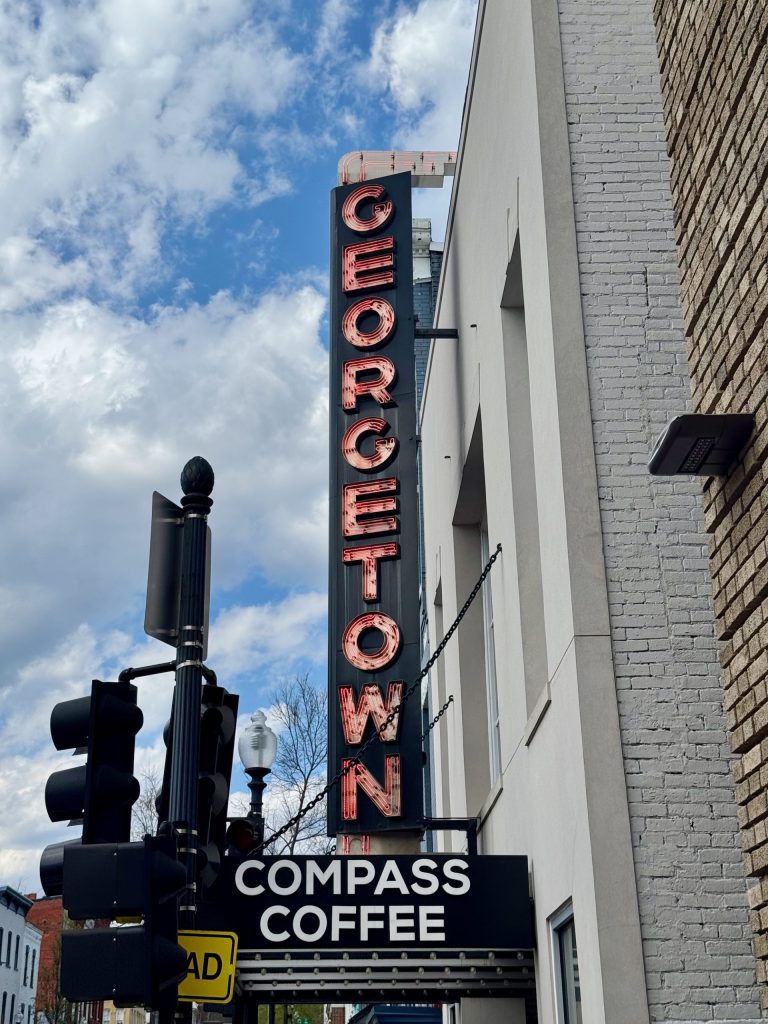
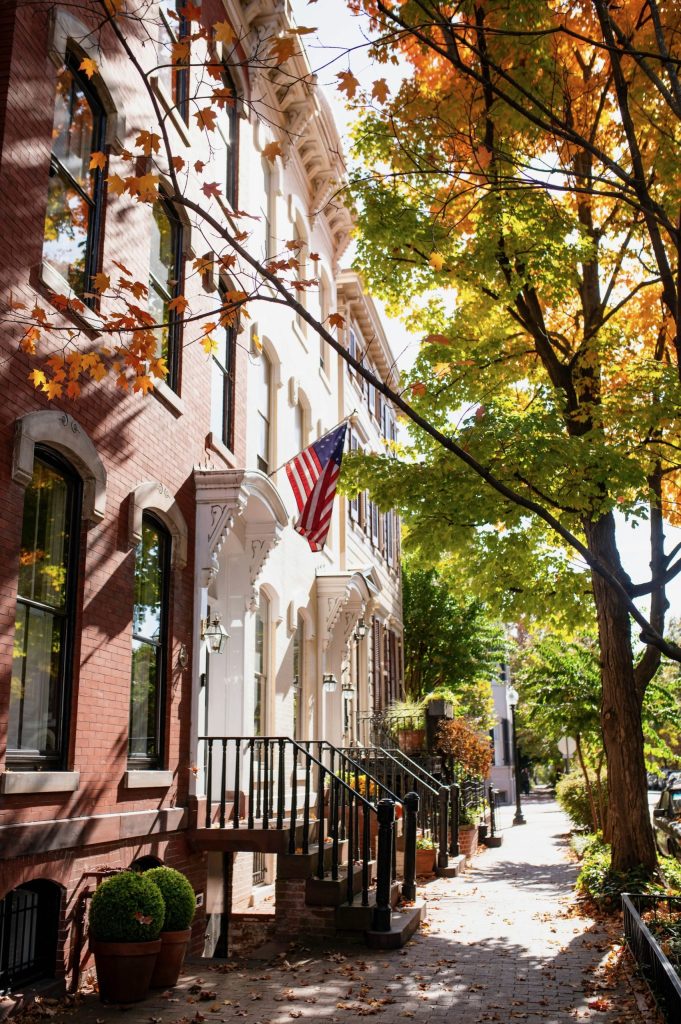
The oldest neighbourhood in the city, it predates Washington itself. Georgetown was founded in 1751 as a tobacco port on the Potomac, it was a thriving Maryland market town four decades before the capital was even drawn up around it. This is a place of Federal-era townhouses, cobbled lanes and the leafy towpath of the C&O Canal, and it famously has no Metro station, which gives it a very unhurried pace. John F. Kennedy lived on N Street before he moved to the White House, and the neighbourhood has drawn Washington’s establishment ever since. Today it holds the city’s best boutique shopping along M Street and Wisconsin Avenue, its most residential luxury hotels and, in Dumbarton Oaks, one of its loveliest gardens.
Ice Cream in Yala Greek
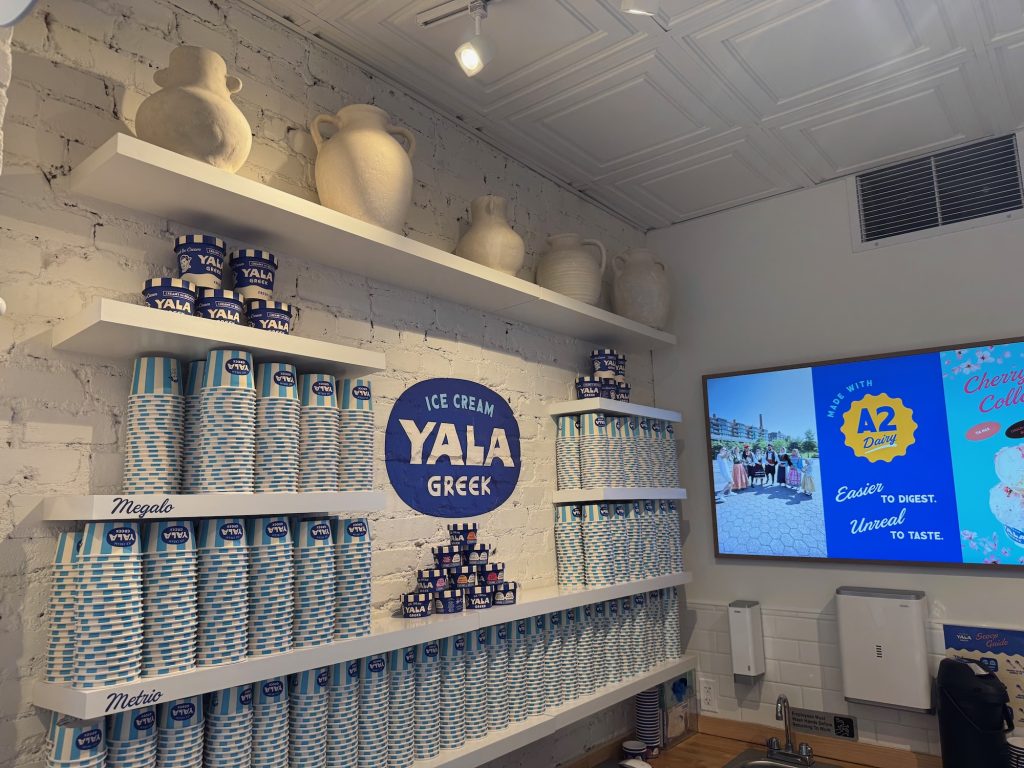
Georgetown rewards wandering with an ice cream cone in hand, and the one to seek out is Yala Greek Ice Cream on N Street, which opened in 2025 as America’s first authentic Greek ice cream shop. It’s a family legacy project. Founder Chrys Kefalas built it in tribute to his Greek immigrant grandfather, churning farm-fresh Maryland milk with ingredients shipped from Greece, from Thessaloniki yoghurt to wildflower honey. The house theory is that American ice cream is too sweet and gelato too heavy, while Greek ice cream lands just right, light and creamy at once.
While you are wandering, head to The Phoenix, a few blocks up Wisconsin Avenue, which has been run by the same family since 1955, three generations deep, trading in artisan jewellery, clothing and homeware with a fair-trade conscience. Keep climbing Wisconsin and you reach Book Hill, a quaint cluster of independent boutiques, galleries and antique dealers that feels closer to a village high street than a capital city. Back towards the river, The Lantern is the stop for rare and out-of-print books, Shop Made in DC gathers work by local makers if you’re hunting souvenirs with actual provenance, and history hides in plain sight on M Street, where the Old Stone House, built in 1766, stands as the oldest surviving building in the city, free to wander into between boutiques.

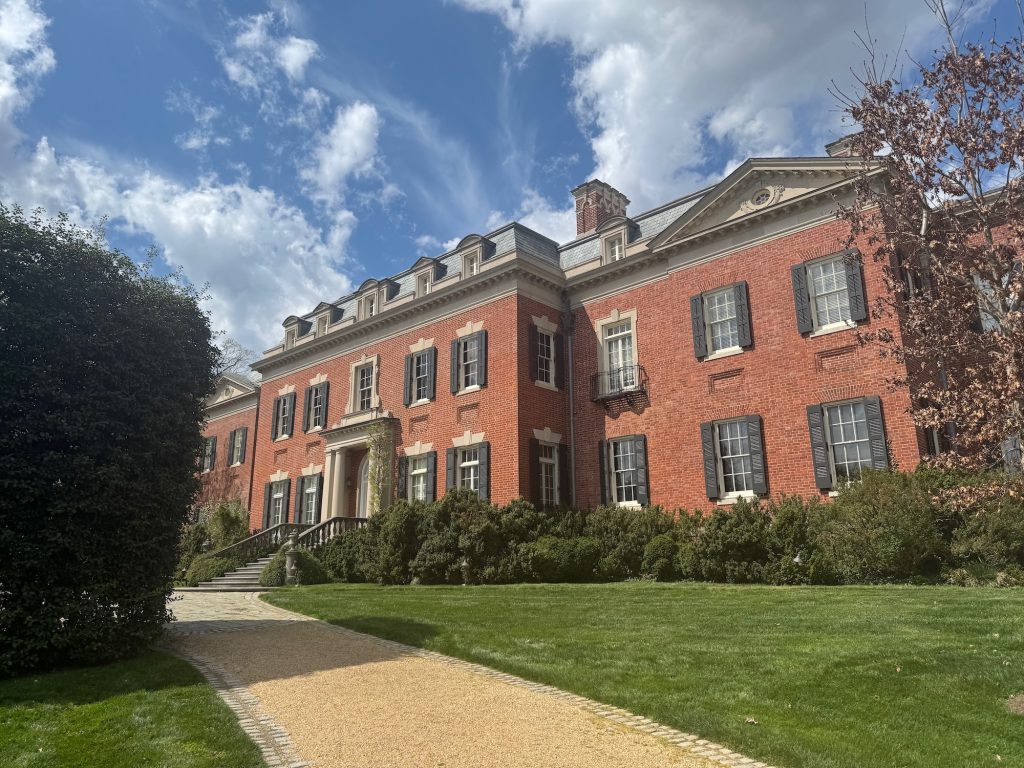
Dumbarton Oaks Gardens
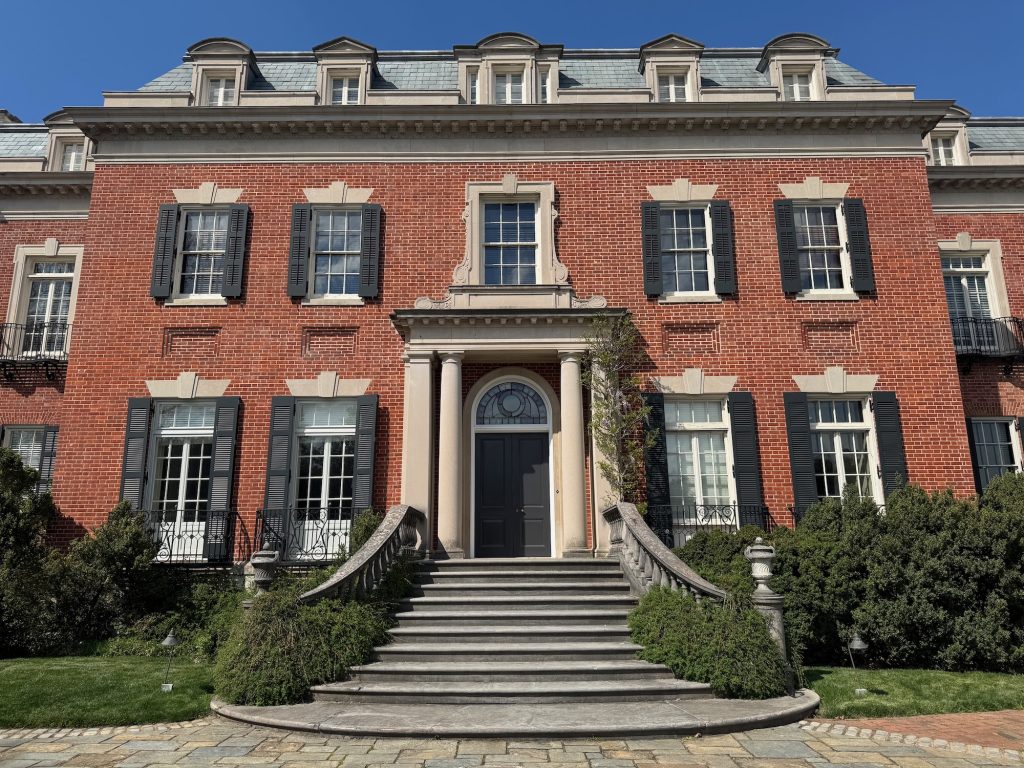
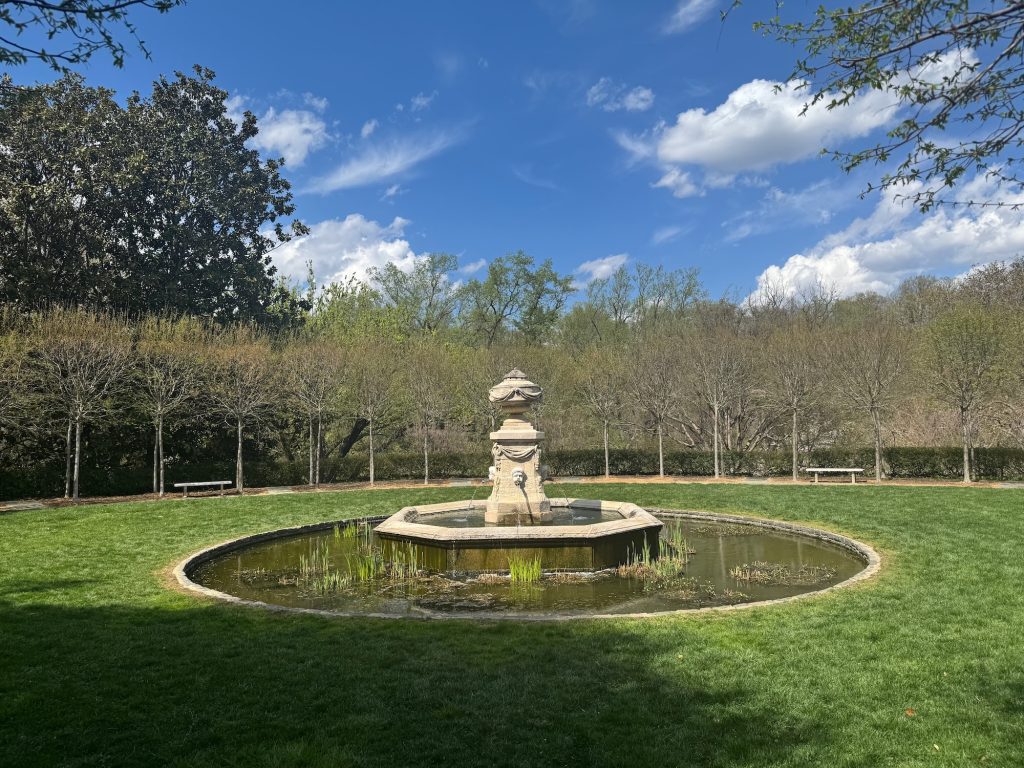
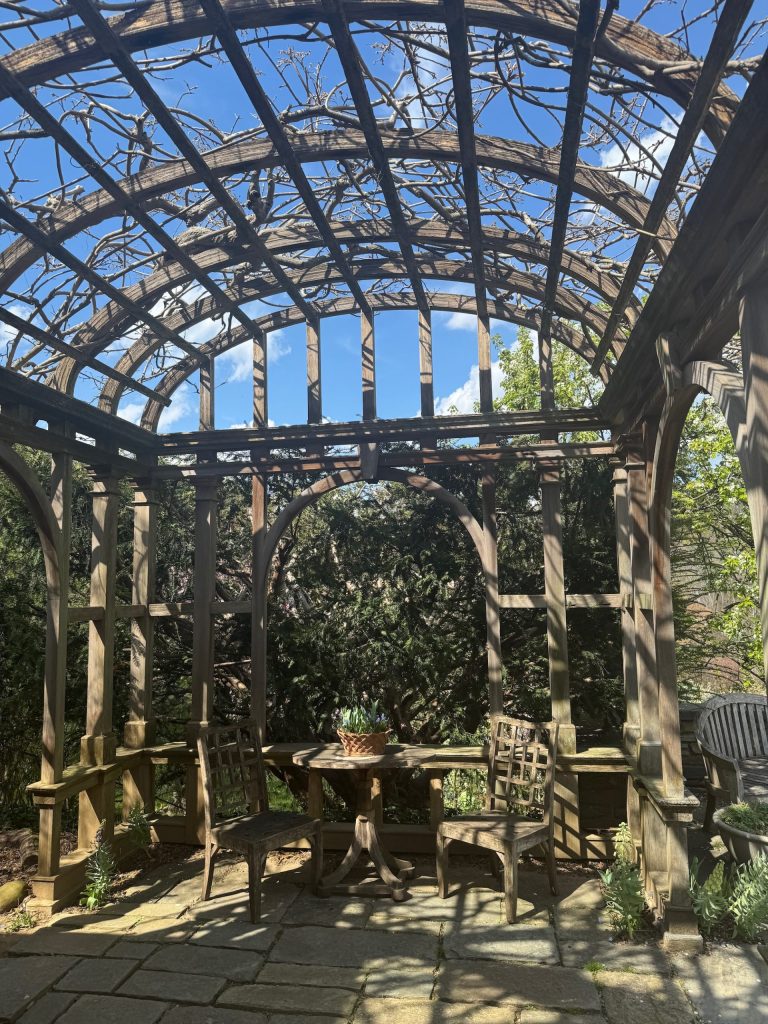
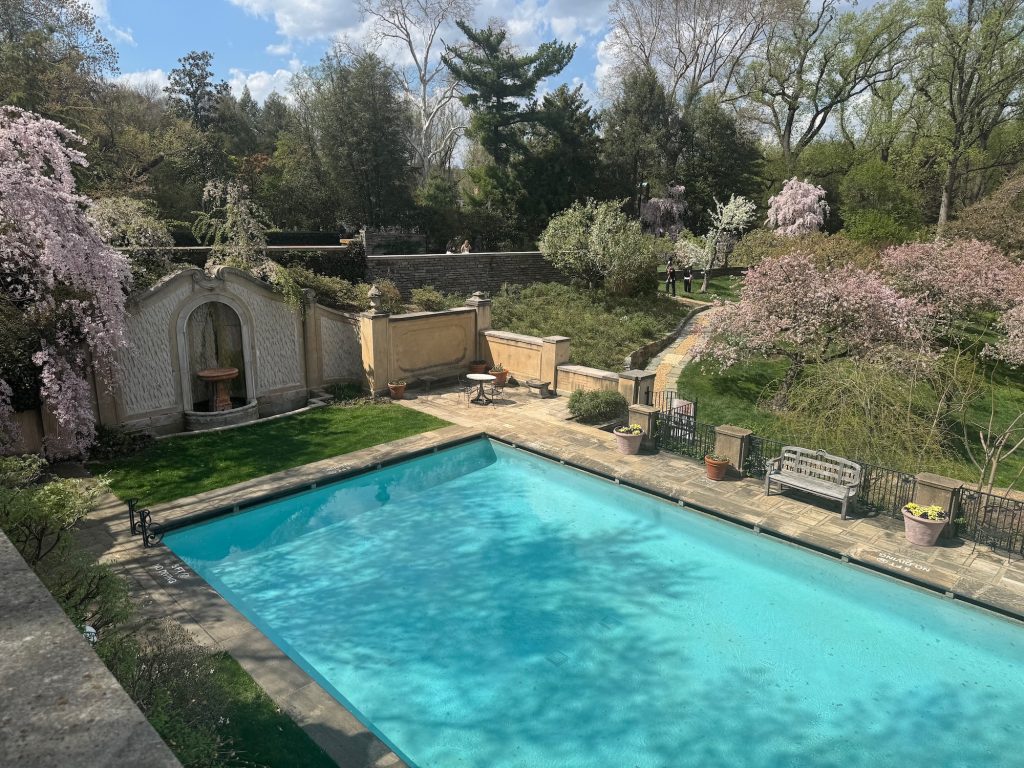
Dumbarton Oaks is a photographer’s favourite. We wandered up from the shopping streets to find the terraced gardens of this historic estate in full spring dress, cherry blossom and wisteria spilling over the walls. The gardens were designed over nearly thirty years by landscape gardener Beatrix Farrand in famously close collaboration with owner Mildred Bliss, and every bench, urn and border shows it. The garden works as a sequence of rooms, from formal terraces past a serene fountain lawn to the swimming pool terrace, which in April may be the single most photogenic corner in Georgetown. Garden entry is ticketed seasonally via doaks.org.


The C&O Canal & Georgetown Waterfront
Time didn’t allow, during my visit, however, when I return, I will definitely explore the old Chesapeake & Ohio Canal towpath that runs right through the neighbourhood, beneath the bustle of M Street, it follows the Potomac down to the Waterfront Park. You can also hire a kayak or paddleboard from one of the Georgetown boathouses and head out onto the river, where the views back towards the Kennedy Center and across to the monuments are some of the best in DC. And for an only-in-Georgetown curiosity, if you are a horror film fan like me, seek out the Exorcist Steps, the steep stone staircase made famous by the 1973 film, tucked away at the end of M Street.
Dining Recommendations
- Xiquet by Danny Lledó – Just north of the neighbourhood in Glover Park, and worth the short climb up Wisconsin Avenue: a Michelin-starred, wood-fired love letter to Valencia from chef Danny Lledó, built around some of the finest paella in America and served in a dining room of barely half a dozen tables. It’s also currently the city’s only AAA Five Diamond restaurant.
- Lutèce – For something looser, this Book Hill neobistro from chef Matt Conroy pairs a tight, weekly-changing French menu with natural wines in a room of exposed brick and pressed tin. In the Michelin Guide, adored by critics, and the neighbourhood’s best date-night table.
U Street & Shaw
U Street & Shaw is the soul of the city. In the first half of the twentieth century, when segregation shut Black Washingtonians out of downtown, this corridor became the heart of African American culture, commerce and music in the capital, a self-sufficient world of theatres, jazz clubs and Black-owned businesses that Pearl Bailey dubbed Black Broadway. Duke Ellington was born here and the Howard Theatre was staging Black performers years before Harlem’s Apollo opened its doors.
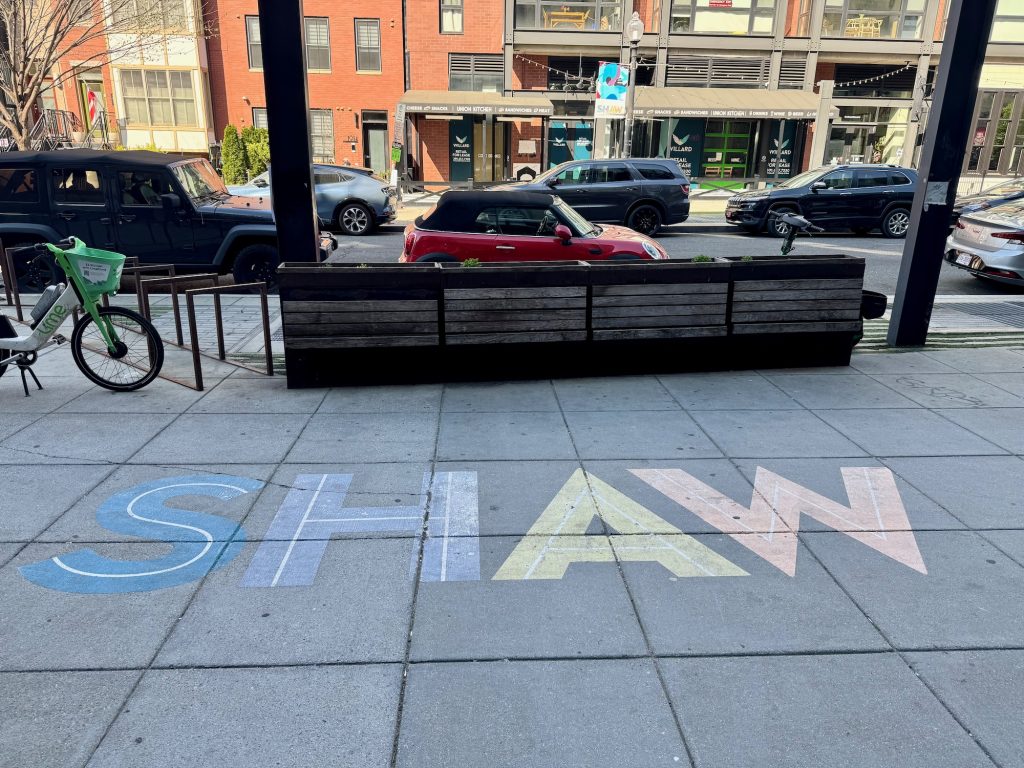
Black Broadway on U Street
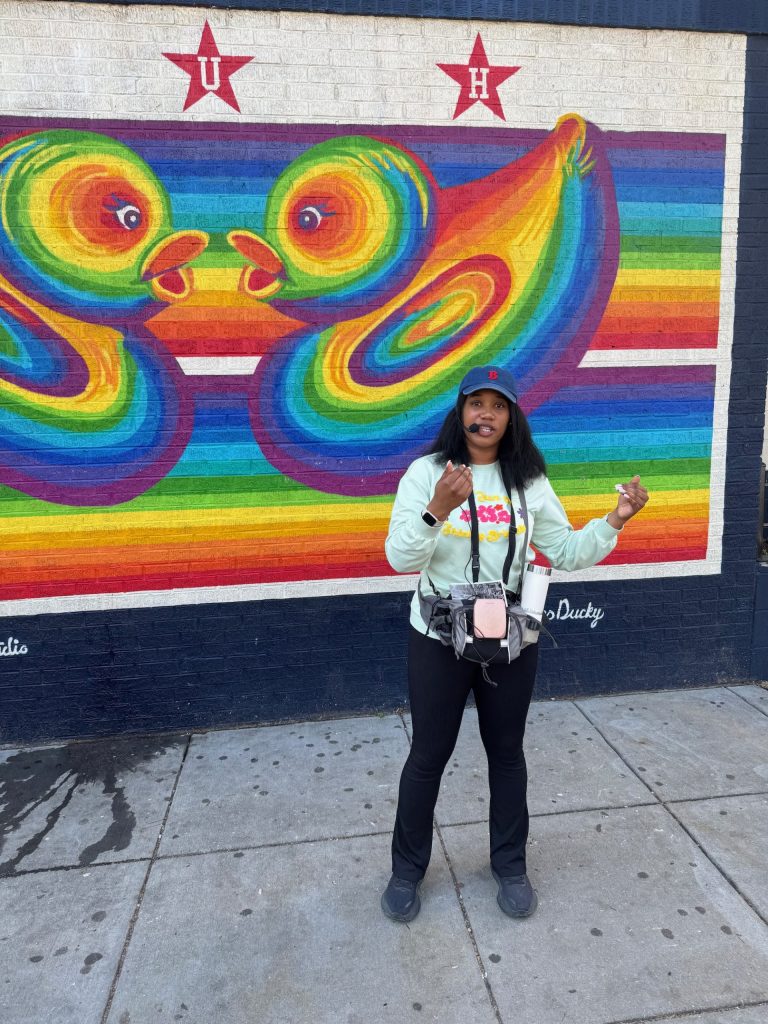
The best way to learn about the history of the area is with a guided walk through U Street with historian and author Briana Thomas. It’s an immersion in the landmarks, legacies, and untold stories of the community that shaped this city’s soul, from the Howard Theatre to the African American Civil War Memorial, whose museum unveils new exhibits this year. It’s also a street art trail in its own right, the neighbourhood’s history retold across its walls in murals celebrating everything from DC’s music legends to its longest-standing Black-owned businesses.



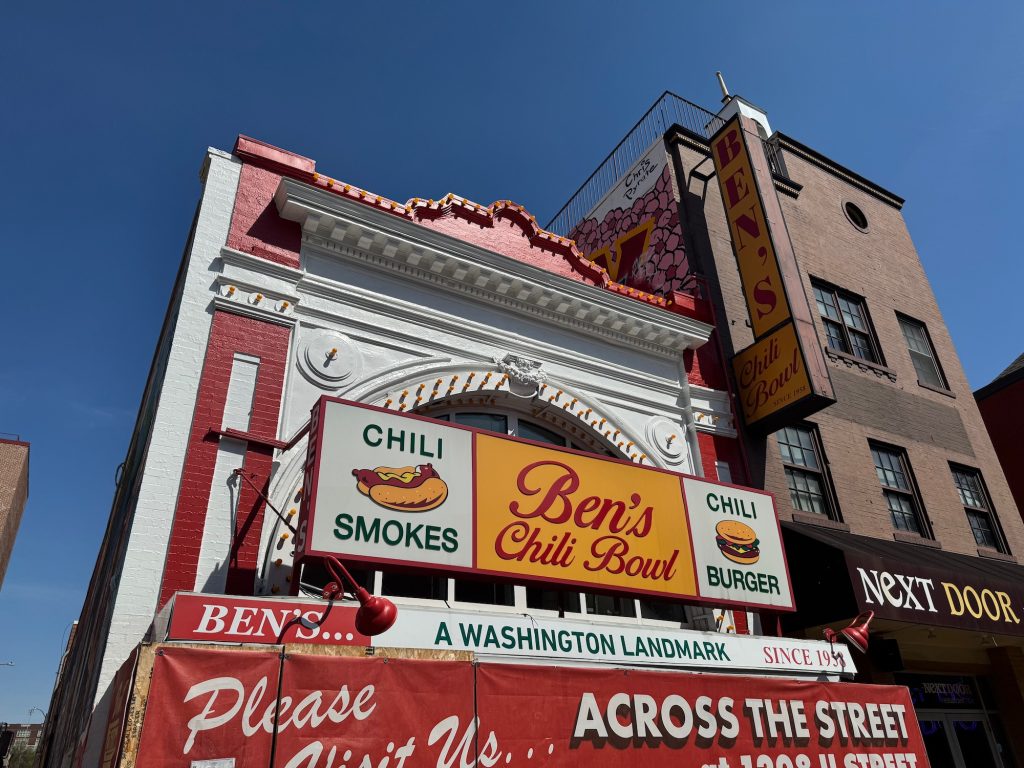
Grab a Chilli Smoked in Bens Chilli Bowl
End the tour with a half-smoke at Ben’s Chili Bowl, the U Street institution founded in 1958 by Trinidadian immigrant Ben Ali, where jazz greats including Duke Ellington and Nat King Cole once refuelled after their club dates, Martin Luther King Jr. was a regular, and Barack Obama famously stopped in as president-elect. The half-smoke, a grilled sausage buried in the house chili, remains DC’s signature dish, and eating one at the original counter is as close as lunch gets to a history lesson.
Live Jazz & The Howard Theatre
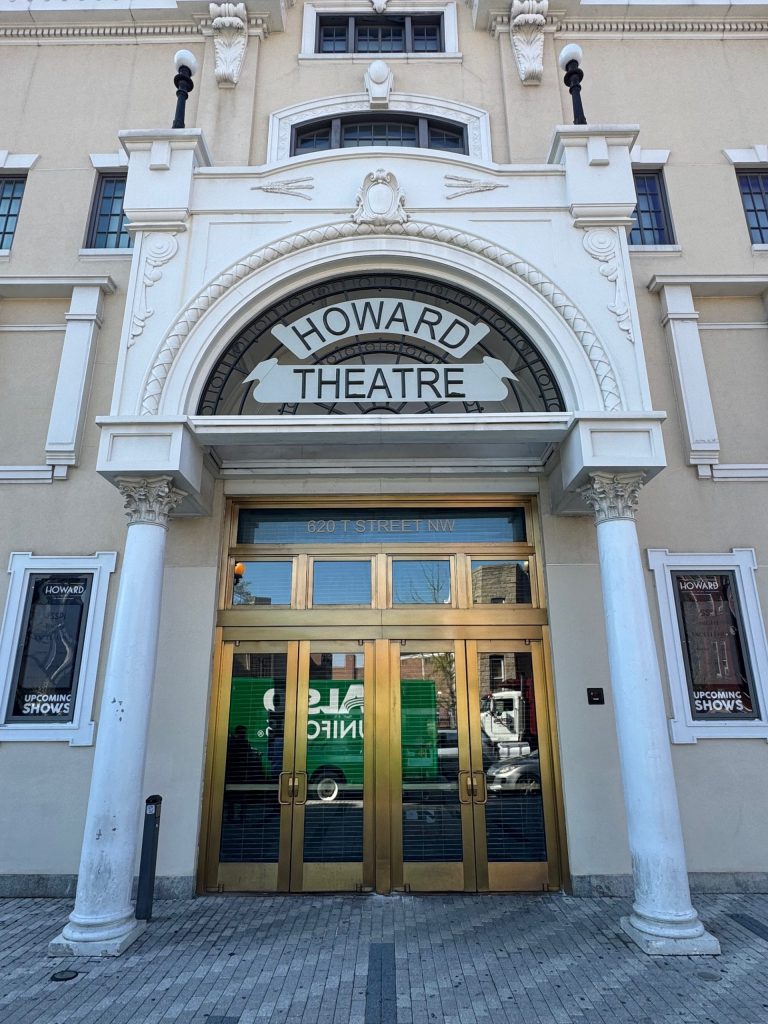
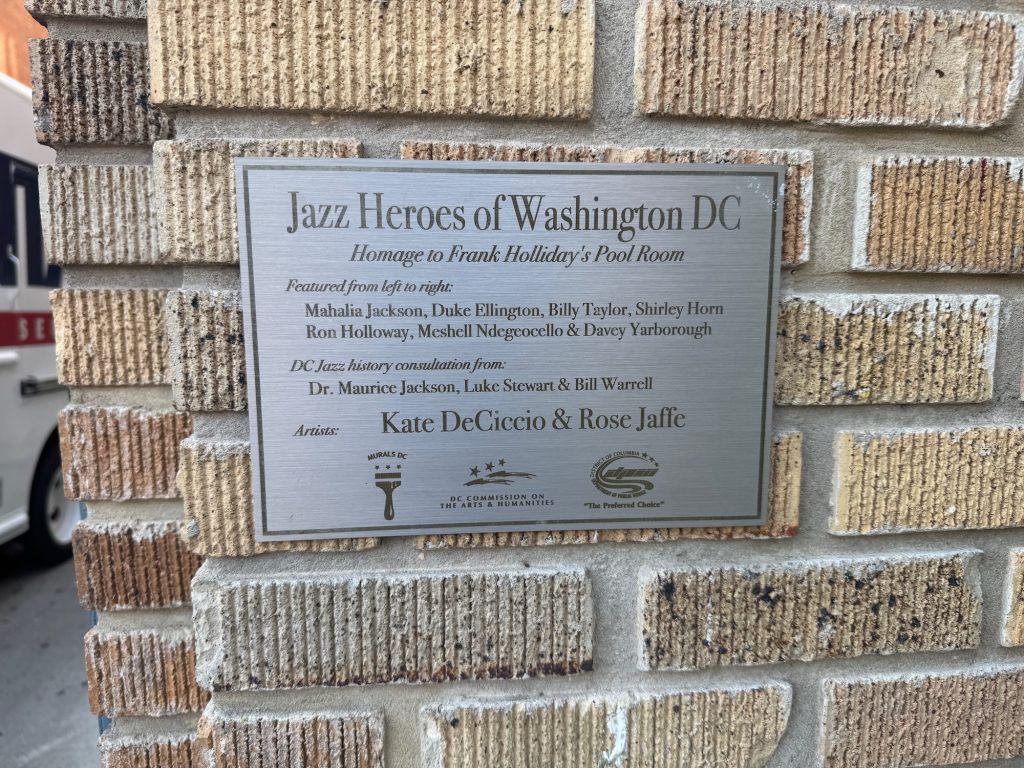
U Street earned its Black Broadway name on the strength of its music, and the scene is still very much alive. The restored Howard Theatre, opened in 1910 and staging Black performers years before Harlem’s Apollo existed, still hosts live performances behind its grand white façade in the heart of the neighbourhood. Beside it, a mural pays homage to Frank Holliday’s Pool Room, the hall next door where a teenage Duke Ellington soaked up the sounds spilling out of the theatre, its wall a roll call of the city’s jazz heroes from Mahalia Jackson to Shirley Horn. The legendary 9:30 Club nearby is regularly ranked among the best music venues in the country.
The African American Civil War Memorial & Museum
At the heart of the neighbourhood, the African American Civil War Memorial & Museum honours the more than 200,000 African American soldiers who fought for the Union, a context that runs right through the U Street story and lands with particular force in the nation’s 250th year. The centrepiece is the Spirit of Freedom, a bronze of uniformed soldiers and a family in relief, ringed by walls bearing the names of the United States Colored Troops. When we visited, a costumed interpreter in a Union uniform brought the history to life beside the sculpture. Across the way, outside the museum’s red-brick home in the old Grimke School, a seated Lincoln holds the Emancipation Proclamation. New exhibits are unveiled through 2026.


Dining Recommendations
- The Dabney – Chef Jeremiah Langhorne’s wood-fired ode to the Mid-Atlantic, in a Blagden Alley townhouse. A Michelin star, an open hearth at the heart of the room and a menu built almost entirely on regional produce — this is the taste of the wider DC region, refined.
- Causa – A Peruvian tasting counter and pisco bar in Shaw, also Michelin-starred, bringing colour, ceviche and serious cocktails to one of the city’s most creative quarters.
Where to Stay
Washington takes its hotels seriously, as you’d expect of a city that has spent two centuries hosting presidents and diplomats. Here you can expect storied grande dames where political history was made over dinner, to sleek brand flagships, and residential luxury tucked into Georgetown and the West End. You can read our full guide to the best hotels in Washington D.C. here, but three properties I visited on the trip are showcased below.
The Westin DC Downtown
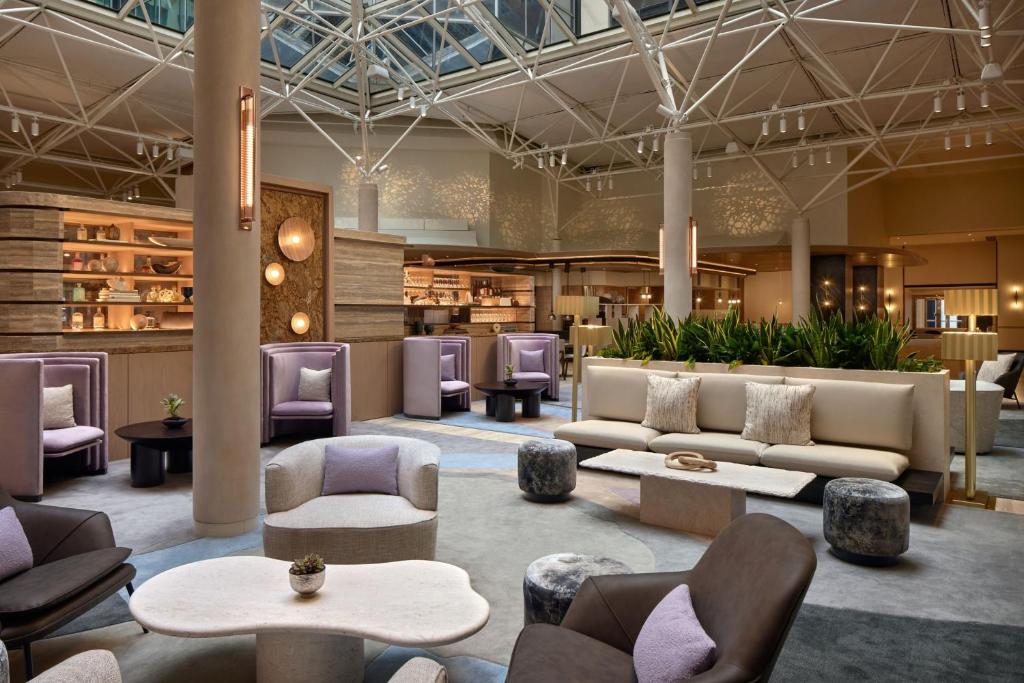


My base for the trip, The Westin Washington, DC Downtown (read review), occupies a prime position in the Penn Quarter, sitting directly opposite the Walter E. Washington Convention Center and within easy reach of Capitol Hill, the White House, and National Mall. The Westin brand’s flagship in the capital, with redesigned guestrooms with the largest footprints of any hotel in Downtown DC, and a 10,000 sq ft fitness centre that ranks as the city’s biggest. Dine at Root and Vine, their lobby-level restaurant, drawing on the wellness philosophy at the heart of the Westin brand. The concept champions locally sourced, seasonally-inspired ingredients, with a menu that rotates to reflect the best of what the region has to offer, from a generous breakfast spread to cocktails and light fare late into the evening. Alongside it sits The Market at Root and Vine for grab-and-go options and a Starbucks.
The Mayflower Hotel, Autograph Collection
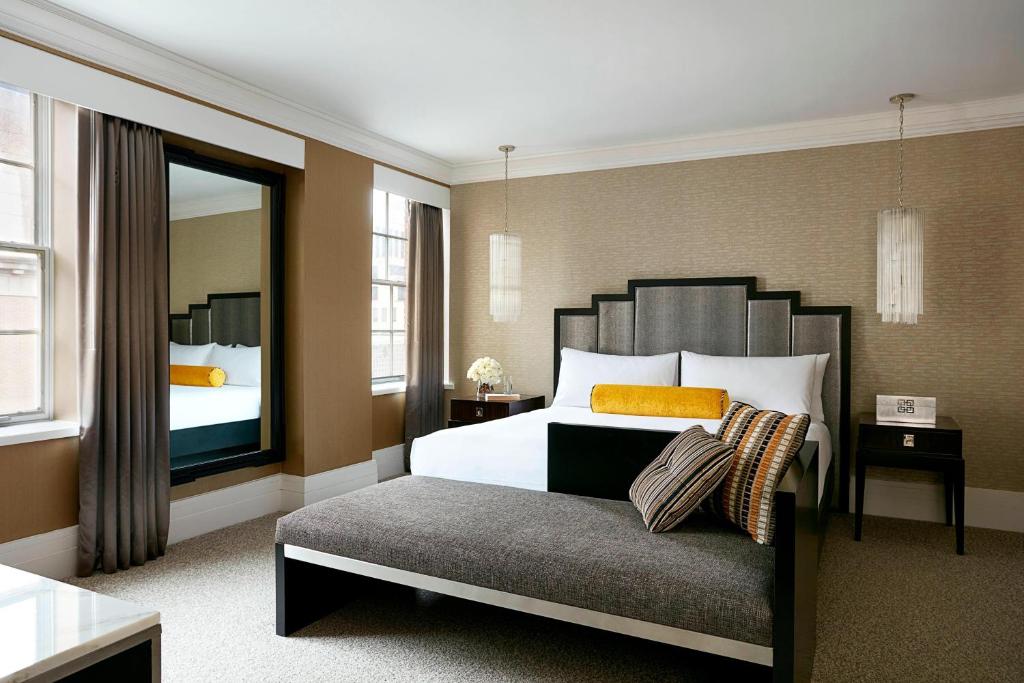

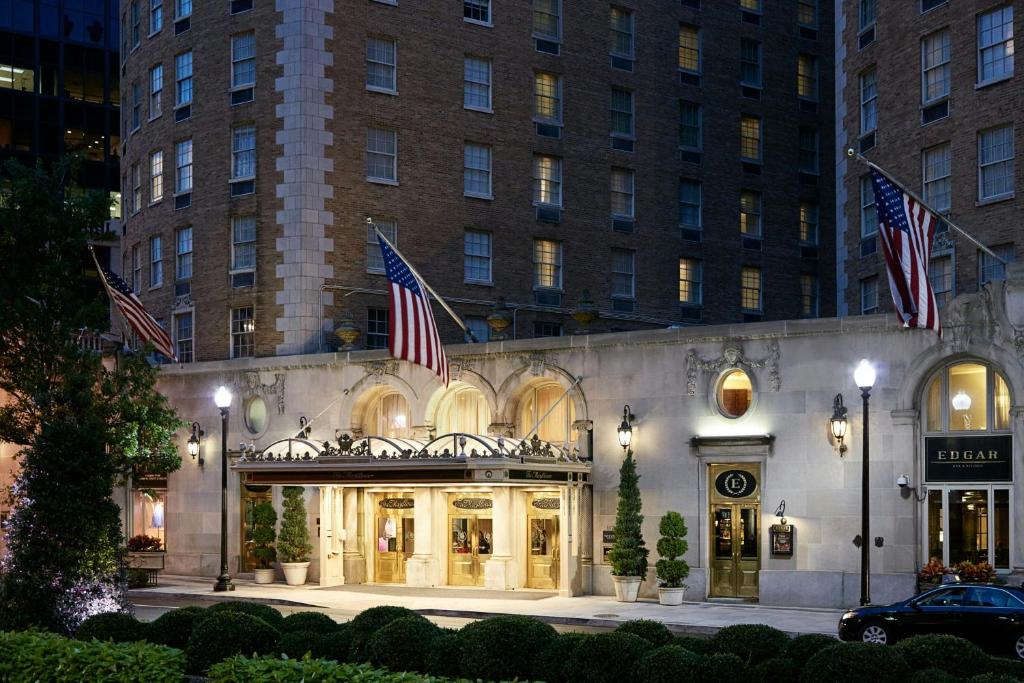
The Mayflower, Autograph Collection is one of the capital’s most celebrated addresses, known fondly as the Grande Dame of Washington and famously dubbed the city’s second best address by President Harry Truman. Having opened its doors in 1925 and recently marking its centennial year, it was described as the golden age of hotel construction, the ten-story Beaux-Arts building a masterpiece of grandeur and elaborate detailing, its lavish lobby adorned with 23-karat gilding, the most gold leaf in any public space in Washington after the Library of Congress.
The hotel comprises approximately 581 rooms and suites and has long attracted foreign dignitaries, heads of state and Hollywood royalty. Facilities include a 24-hour gym, and its own curated DC walking tour. The hotel’s signature dining destination Edgar Bar & Kitchen pays homage to the capital’s great power players through modern brasserie-style cuisine, cocktails and a seen-to-be-seen atmosphere, its name a tribute to J. Edgar Hoover, who dined at the hotel for over two decades.
JW Marriott Washington, DC
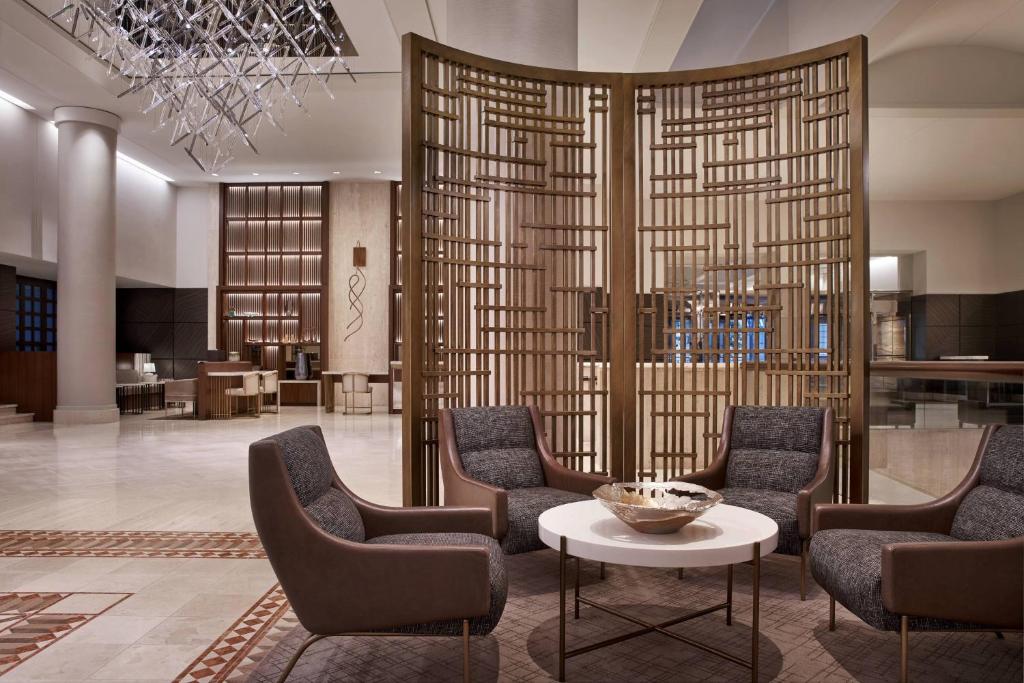
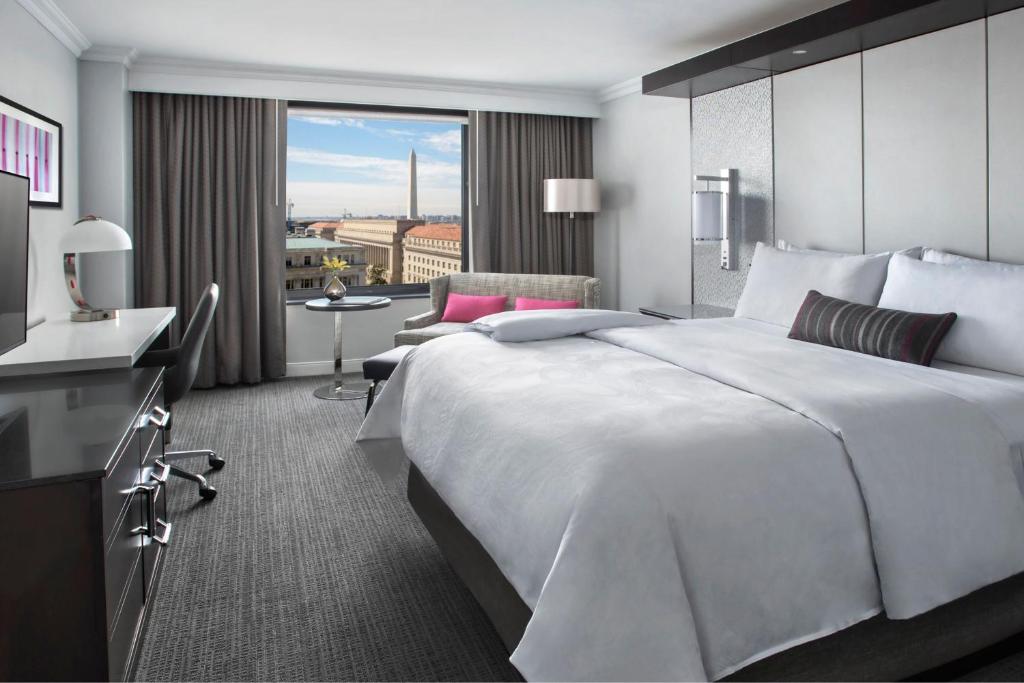
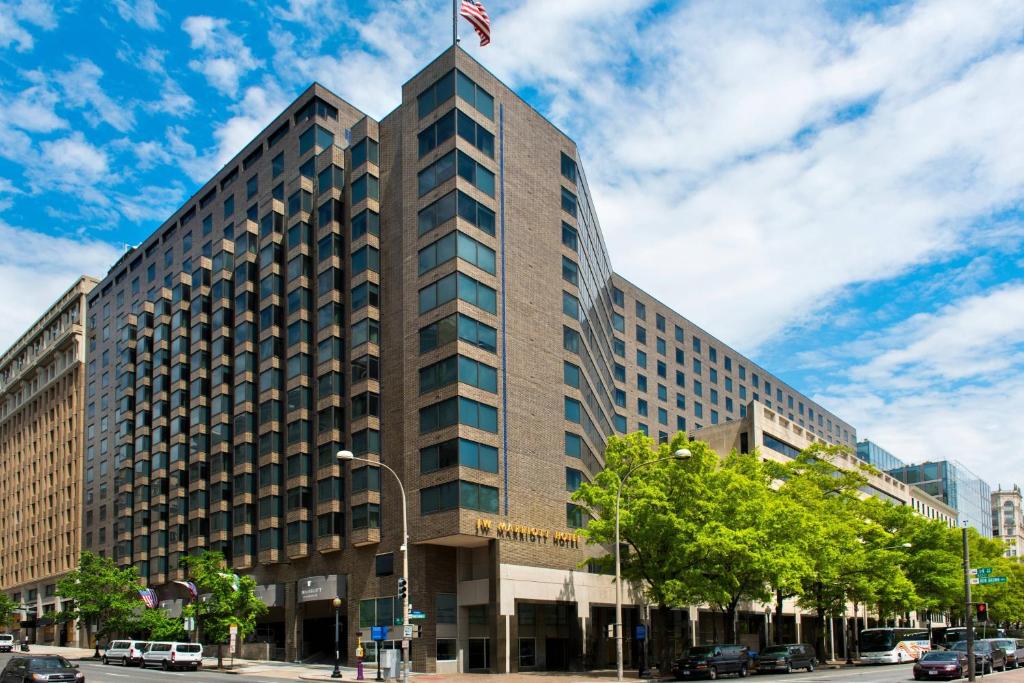
Located on one of the most storied addresses in Washington D.C, standing on the former site of Shoomaker’s, the celebrated 19th century gathering place for politicians and statesmen and home to the celebrated Rickey cocktail first served in 1883. The hotel opened in 1984, and as the very first JW Marriott hotel (in the entire world) it was named by Bill Marriott in honour of his father, so the property holds a singular place in both the city and the brand’s legacy. Conveniently located in the downtown area, it offers a sophisticated retreat reflecting the brand’s signature commitment to refined design, holistic well-being, and meaningful connections.
I visited Washington D.C. as a guest of Visit Washington D.C. Head to the website for a complete guide to the city and if you have a question about my trip, get in touch via my Instagram @rossfraser_.