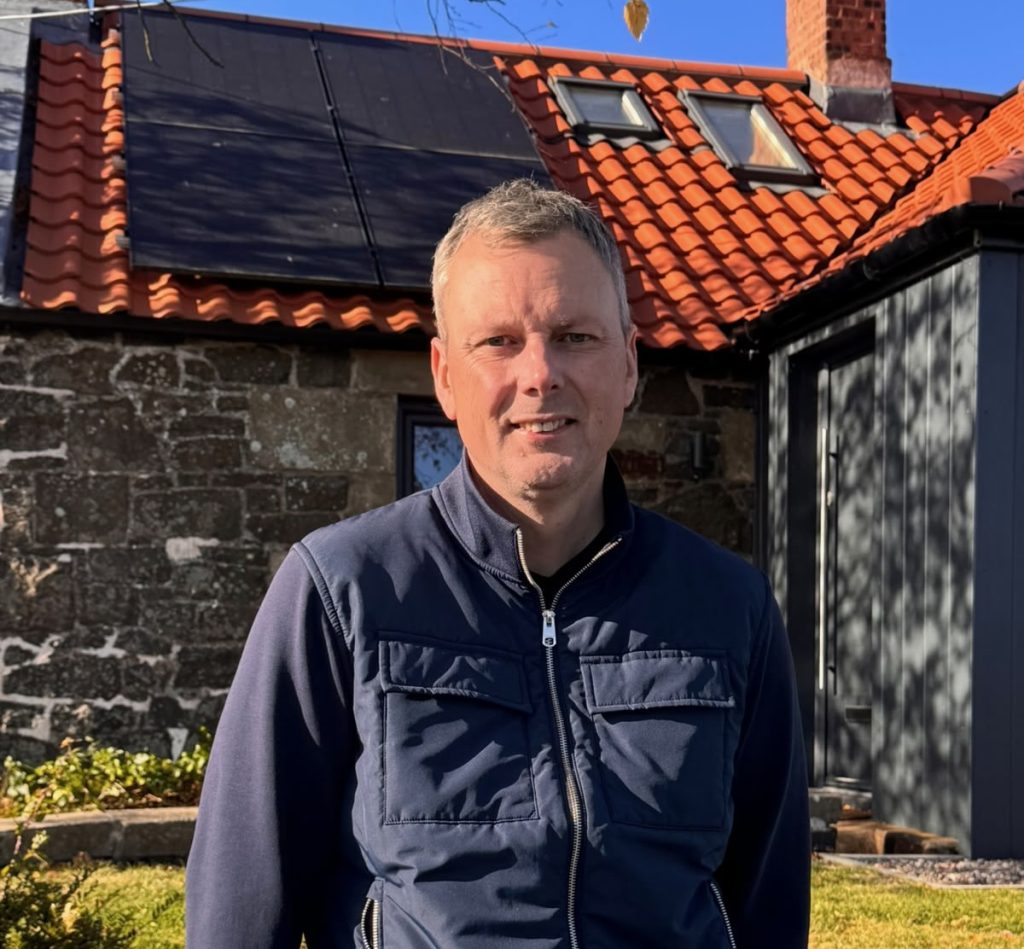

Few people know the Quinta da Marinha estate from as many angles as Paulo Cabral. Having previously worked with Portuguese family-owned Onyria Group, Paulo returned this summer as Sales Manager just as its flagship hotel began the boldest chapter in its forty-year story, reopening as the Kimpton Quinta da Marinha Cascais following a top-to-bottom renovation. Paulo’s remit now spans three properties: the new Kimpton, its boutique sister Onyria Marinha Cascais, Vignette Collection, and the 16th-century Château des Vigiers in the Dordogne. We caught up with him in Cascais to find out more.
For those who don’t know you, tell us a little about your journey in hospitality and what brought you back to Onyria Group this summer.
I studied Leisure Management and Tourism, and my journey in hospitality began with an internship at another five-star hotel here in Cascais. At a later stage, I joined the front-office team at the former Hotel Quinta da Marinha, the very hotel that has now become Kimpton Quinta da Marinha.
Along the way, I’ve had many valuable experiences in a variety of hospitality roles, and returning to Onyria this summer therefore felt like much more than a professional move. It was a return home. To return at the very moment the property was beginning an exciting new chapter as Kimpton Quinta da Marinha made the homecoming even more meaningful.
You knew this hotel in its Onyria days, and you’ve returned to be part of its Kimpton chapter. Walking back through the doors, what struck you most about what’s changed, and what hasn’t?
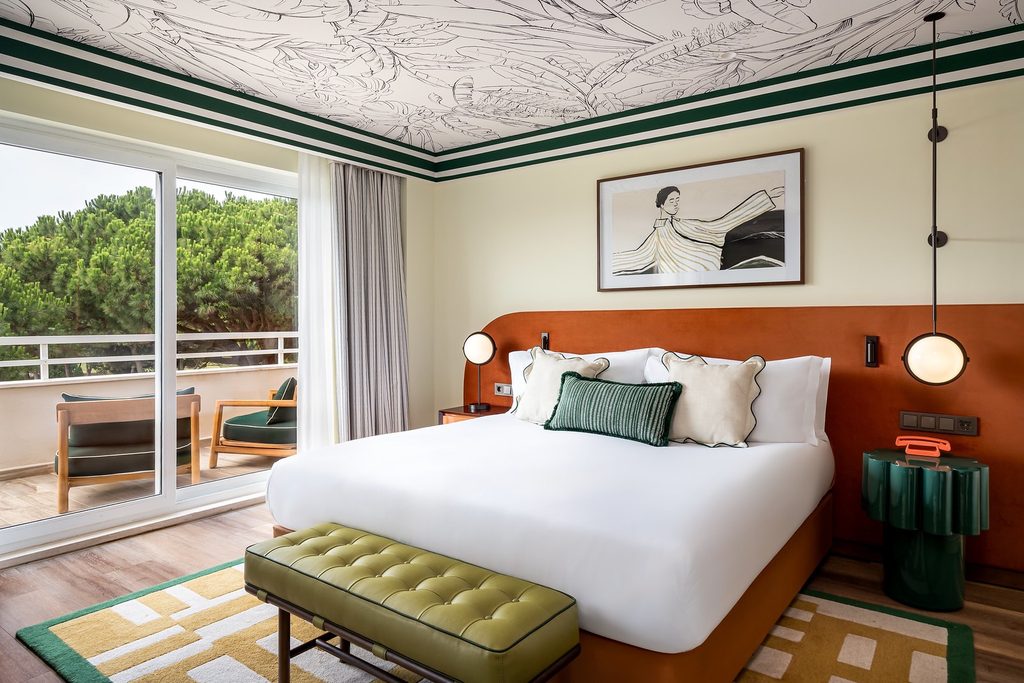
What I loved most about the hotel has remained unchanged: its warm and welcoming atmosphere. Despite having almost 200 rooms, it has never felt like a large hotel. There is an intimacy to the experience and an extraordinary ease with which guests begin to feel at home. Much of that comes from the team. The service is efficient and professional, but always delivered with genuine warmth. That balance is not easy to achieve, and it has long been one of the hotel’s greatest strengths. What surprised me most on returning was the transformation of the public areas. The new interiors are deeply inspired by the region and the natural surroundings, with abundant greenery, organic textures and a much greater sense of life throughout the hotel. The Kimpton approach to food and beverage has perhaps brought the most visible new energy. With completely renewed dining concepts, including a new outdoor restaurant and bar, the hotel now feels even more vibrant and sociable, creating places where guests and locals can naturally come together.
The Onyria story began in 1985 with the purchase of a plot of land right here. How present is the family in the hotel day-to-day, and what does that continuity mean for guests?
The Onyria story began with Engineer José Carlos Pinto Coelho, and today all six of his children are involved in different areas of the Group. Their presence is very real — it is almost impossible to spend a day at the hotels without seeing at least one member of the family. Although Kimpton Quinta da Marinha and Onyria Marinha Cascais are part of the IHG portfolio, through franchise agreements with Kimpton and Vignette Collection respectively, the hotels remain owned and managed by the Onyria Group. This allows us to benefit from the international reach and expertise of IHG while preserving the independence, personality and values of a Portuguese family-owned business. That continuity is also reflected in the relationship the family has with its employees. There is genuine care for the people who work here, and this creates a strong sense of belonging within the team. It is not something we need to communicate explicitly to guests; they experience it through the warmth, commitment and personal character of the service.
Kimpton’s “Come As You Are” philosophy is quite distinctive. How have you translated that to a Portuguese golf resort with three decades of its own identity?
Thanks to our privileged location in one of the most beautiful areas of Cascais we have always been recognised as a five-star hotel with an unpretentious character. Kimpton feels like a perfect match for the hotel. The “Come As You Are” philosophy did not require us to reinvent our personality; it gave an international expression to something that was already part of our identity. Luxury here has never been about rigid formality. It is about allowing guests to feel comfortable, welcomed and free to experience the hotel in their own way.
Although golf remains an important part of our heritage, guests do not need to be golfers to feel that they belong here. We welcome couples, families, groups, local residents and even their pets with the same natural warmth. Kimpton has strengthened that openness, while adding a more vibrant and social dimension to the resort through its restaurants, bars and shared spaces.
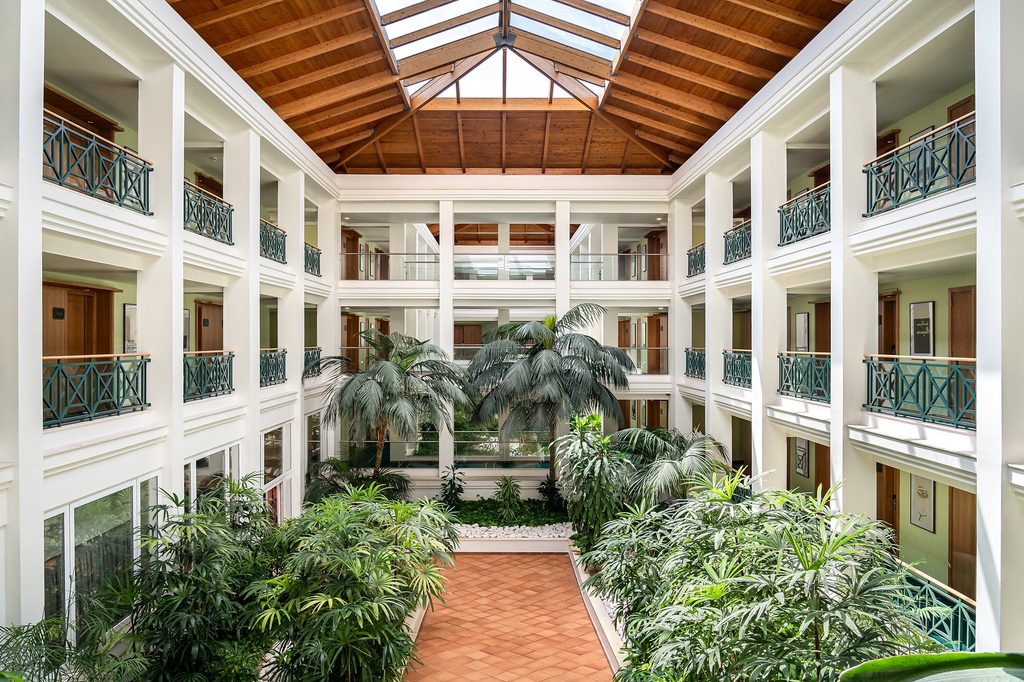
The renovation touched every corner of the property. Is there one space or detail you always show people first?
I remember very clearly the first time I walked into the hotel for my job interview and the immediate impact of the lobby. Despite having lived in Cascais all my life, I had never realised just how beautiful our golf course was.
As soon as you enter, the large windows reveal the biggest lake on the course, surrounded by the landscape of Quinta da Marinha. It is an unexpected view and one that immediately gives guests a sense of where they are.
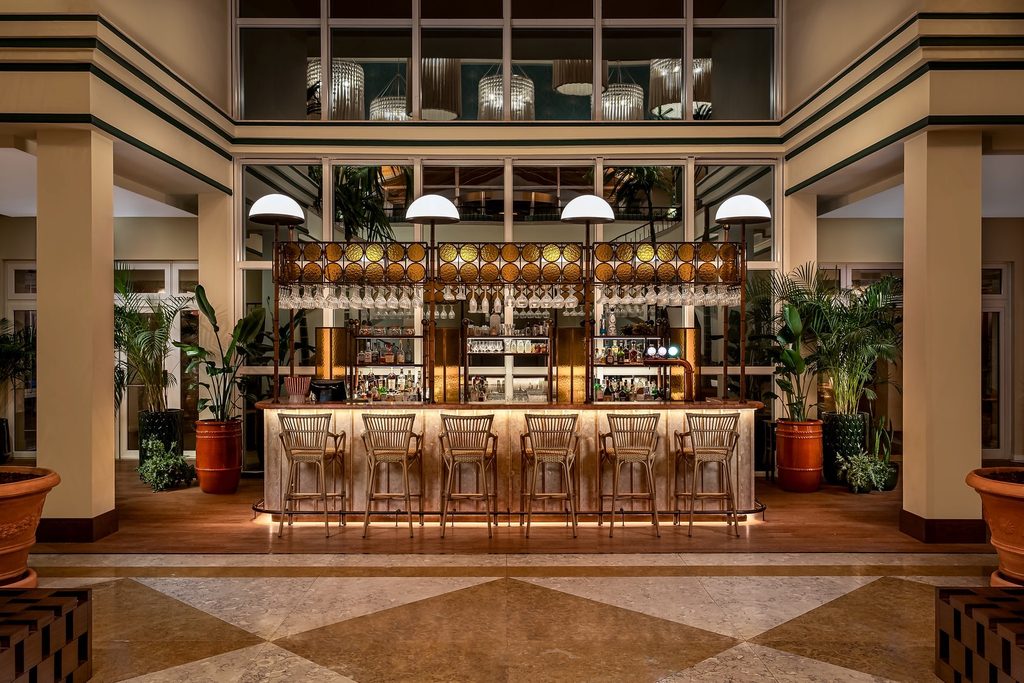
That is the moment I always like to share with visitors. Following the renovation, FICA! bar now sits directly beneath those magnificent windows, making the first impression even more powerful. The view that originally surprised me is still there, but the new design has given it greater warmth, energy and purpose.
It has become more than something guests simply admire when they arrive. It is now a place where they can sit, have a drink and properly experience the landscape — and, hopefully, feel the same sense of discovery that I felt the first time I walked through those doors.
Tell us more about the F&B offerings. If you welcomed a guest to Ao Ponto tonight, which dish would you point them to first? And what should they be drinking at FICA!?
Food and beverage is central to the new Kimpton experience. Ao Ponto is built around fire, seasonal produce and recognisable Portuguese flavours, presented in a contemporary but relaxed and sociable way.
If I were welcoming a guest tonight, I would recommend my personal favourite: the cod loin cooked in the Josper oven, accompanied by the Ao Ponto salad. Bacalhau is one of the most iconic ingredients in Portuguese cuisine, and cooking it over fire gives it an additional depth of flavour while still respecting the quality and simplicity of the product.
At FICA!, I would suggest the Wild Fire cocktail, made with tequila, jalapeño, mango, kefir and lime. It has freshness, fruit and just the right amount of heat — and its name creates a natural connection with the fire-led identity of Ao Ponto.
Together, they represent what we want our food and beverage experience to be: distinctly Portuguese, contemporary, full of character and, above all, enjoyable.
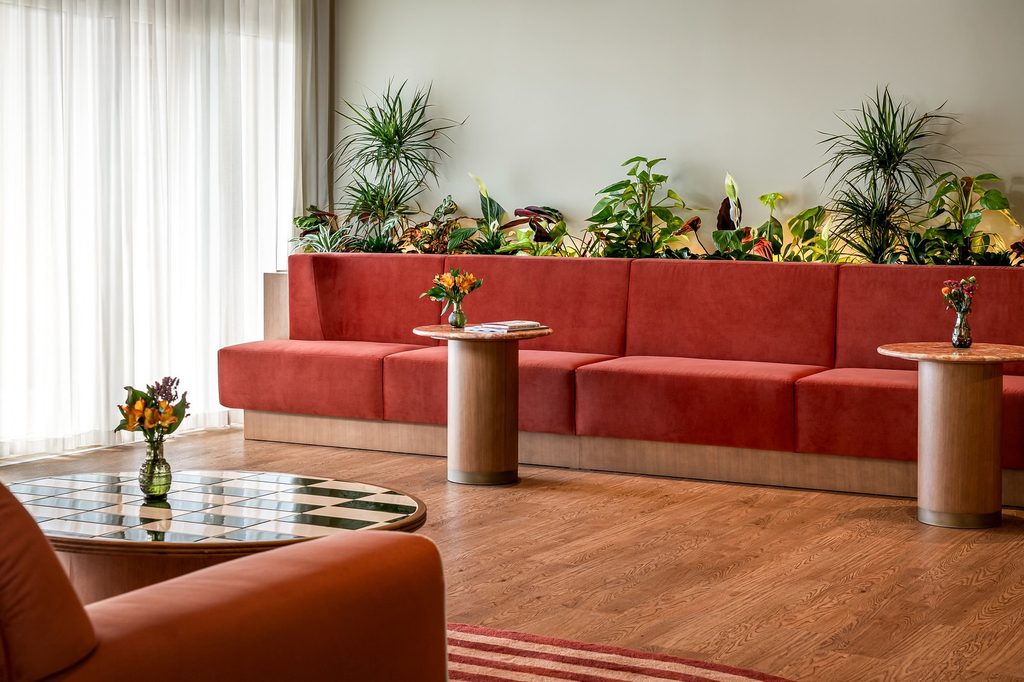
Goddard Littlefair led the interior design for the renovation. How would you describe what they’ve brought to the property, and how does their design style sit alongside the estate’s original architecture and forty-year history?
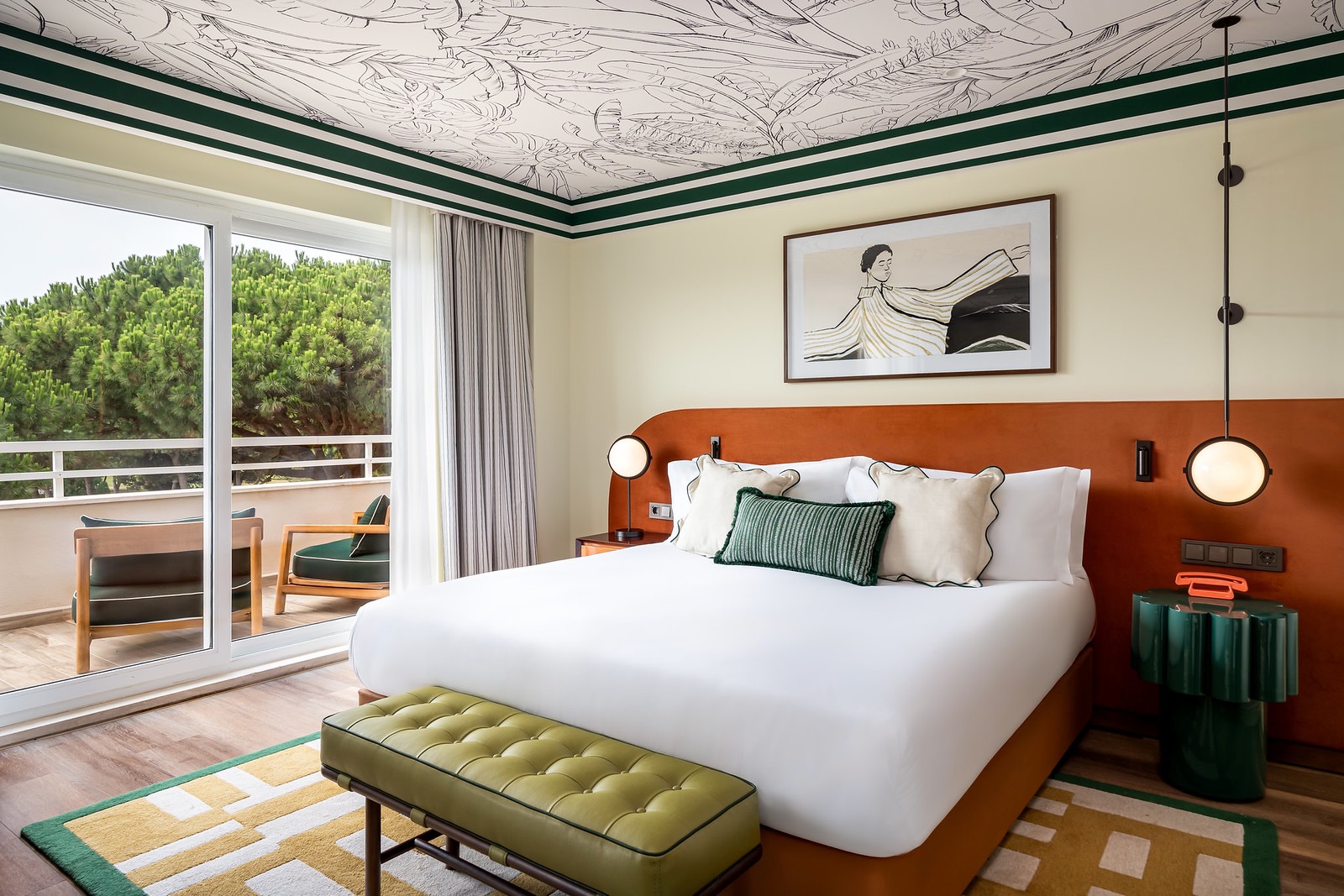
Goddard Littlefair has given the hotel a much stronger sense of place. Rather than imposing an international design concept that could belong anywhere, they created a contemporary interpretation of Cascais and of the unique landscape surrounding us, the Atlantic Ocean, the pine forests of the Sintra-Cascais Natural Park and the Quinta da Marinha golf course.
The design also reflects the two sides of Cascais: its authentic origins as an Atlantic fishing town and the sophistication it acquired from the late nineteenth century, when it became a seaside retreat for European royalty, aristocracy and international society. Relaxed coastal elements are therefore combined with polished mid-century influences, contemporary furniture, Portuguese craftsmanship and layered natural textures. The result feels sophisticated and cosmopolitan, but never formal or disconnected from its surroundings.
Natural light plays a central role. The interiors maintain a constant visual relationship with the gardens, pool, golf course and pine forest, blurring the boundaries between inside and outside. This respects one of the hotel’s greatest original qualities: its architecture has always been shaped around the landscape and its remarkable views.
The “Mediterranean Garden of Light” in the lobby expresses this particularly well. Created by Portuguese artist Marta Ramada Leite in collaboration with Goddard Littlefair and TPC Lighting Studio, its seven monumental chandeliers and 389 handmade textile tassels change character throughout the day as they interact with the light. Goddard Littlefair did not erase the hotel’s history; they gave it a new language. They brought Kimpton’s playful, design-led energy into a property with forty years of Onyria heritage, while preserving the relaxed, welcoming atmosphere that has always made guests feel at home.
Golf has always brought people here, but the thinking now seems to be that golf opens the door and the wider experience brings guests back. How has the guest profile changed since July?
We are already seeing the hotel attract a younger and more lifestyle-oriented audience, including guests who may appreciate the golf setting without necessarily travelling primarily to play. The new design, the restaurants, the bars, the spa and the connection with the surrounding nature have broadened the reasons to visit the property.
One of the most noticeable changes has been the increased activity in our food and beverage spaces compared with the past. FICA! and Ao Ponto are attracting not only hotel guests, but also local residents and visitors who come specifically to enjoy the atmosphere, have a drink or dine with us. Ao Ponto, in particular, offers a fire-led dining concept built around open-flame cooking, seasonal ingredients and Portuguese flavours, presented in a relaxed and sociable setting.
Golf remains an essential part of our heritage and will always be one of the resort’s strongest assets. What has changed is that it now sits within a much wider lifestyle experience, giving guests more reasons to spend time at the hotel — and, ultimately, to return.
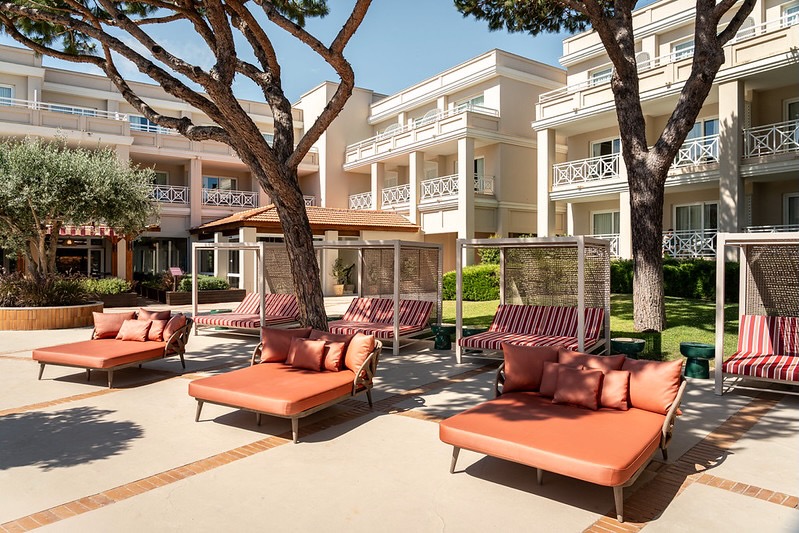
The estate has a lot to offer beyond the fairways: the Natur Spa, the pools, tennis and padel, the kids club. For a family checking in for a week, how would you shape their stay?
The first thing I would say is that I would not try to plan every hour. One of the greatest advantages of staying here is the variety of experiences available, while still giving families the freedom to follow their own rhythm.
Golf would naturally be part of the experience. More experienced players can enjoy our 18-hole course, designed by Robert Trent Jones Sr., while families and beginners can discover the sport together with a lesson or a relaxed session at the driving range.
Although tennis and padel are not located within the hotel itself, the Quinta da Marinha Racquet Club is only around 200 metres away, as are the Quinta da Marinha horse-riding facilities. Guests can also use our bicycles to explore the beautiful cycle path connecting Guincho and Cascais, or follow the walking trails that cross the dunes towards Guincho.
A typical day could begin with a swim in our lake or a stand-up paddleboarding lesson, followed by time at the Kimpton pool or the Atlantic Pool. While younger guests enjoy the kids club, parents can take some time for themselves at the Natur Spa.
Beyond the estate, families are only five minutes from some of Portugal’s most beautiful beaches. Guincho is the most dramatic and iconic, while the beaches around the centre of Cascais have a completely different charm and are ideal for calmer family days.
I would also set aside time to explore the centre of Cascais, the Marina, museums, Mercado da Vila and the lively Rua Amarela, which guests can reach using one of our daily transfers, subject to advance reservation. A boat trip along the coastline is another wonderful way to experience the destination.
Sintra and Lisbon are close enough for effortless day trips, so a week here can combine golf, nature, beach, culture and city life, with plenty of time left to simply enjoy the resort together.
Your remit covers three quite different properties: this hotel, the boutique Onyria Marinha next door and Château des Vigiers in France. Can you tell us a bit about the other properties and what sort of escape they offer?
They are three very different properties, which is precisely what makes representing them so interesting.
If Kimpton Quinta da Marinha is the more vibrant, social and design-led expression of the resort, Onyria Marinha Cascais, Vignette Collection offers a quieter and more intimate experience. Surrounded by pine trees and nature, it is defined by tranquillity, understated elegance and a strong sense of privacy. It is ideal for guests who want to slow down and disconnect, while still having access to the golf course, Natur Spa, Atlantic Pool and the wider experiences available across Quinta da Marinha.
Château des Vigiers offers an entirely different escape. Located in the heart of the Dordogne, it combines the charm and character of a 16th-century château with the contemporary comfort of the Relais des Vigiers. The estate is surrounded by vineyards, forests and rolling countryside, creating an atmosphere in which time seems to move at a different pace.
Gastronomy is central to the experience, particularly at the Michelin-starred Les Fresques restaurant, where the cuisine celebrates the produce and flavours of the region. The Dordogne is also surrounded by exceptional wine areas, making the discovery of local wines an essential part of any stay.
For golfers, the estate offers a beautiful 27-hole course set among vineyards, plum trees, woodland and lakes. Château des Vigiers is therefore a wonderful combination of history, golf, gastronomy, wine and the quiet charm of the French countryside.
Cascais sits in a unique spot, twenty-five minutes from Lisbon yet inside a natural park. How do you sell that to guests weighing it against the Algarve?
The Algarve is an extraordinary region and one of Portugal’s greatest tourism destinations, so I would never try to position Cascais by diminishing what it offers. The difference is in the combination and accessibility of experiences.
Cascais shares many of the qualities people associate with the Algarve: beautiful beaches, an outdoor lifestyle, excellent weather and outstanding golf. Through Lisbon Golf, players can access seven different courses, allowing them to enjoy considerable variety while staying in the same destination
What Cascais adds is its proximity to city life, culture and history. Guests can wake up surrounded by the pine forests and golf course of the Sintra-Cascais Natural Park, spend the morning at Guincho beach, have lunch in the centre of Cascais and be exploring Lisbon or Sintra later that afternoon. The region offers the energy of Cascais, the palaces and landscape of Sintra and everything Lisbon brings in terms of gastronomy, culture, shopping, museums, nightlife and events, all within a very small radius.
For me, that is the greatest strength of Cascais. Guests do not have to choose between a beach resort, a golf holiday, a nature retreat or a city break. They can experience all of them during the same stay, while remaining only around thirty minutes from Lisbon Airport.
Looking ahead five years, how do you see luxury travel on the Lisbon coast evolving, and where does the Kimpton fit into that?
Over recent years, we have seen a clear increase in the interest of international luxury hospitality brands in Cascais and the Lisbon coast. I believe this represents an important change in the way the destination is perceived globally, but, in many ways, it is also a return to its historical identity.
Cascais began establishing itself as a sophisticated seaside destination in the late nineteenth century, when the Portuguese Royal Family chose it as its summer residence. The current arrival of new international hospitality projects is therefore not creating a luxury destination from the beginning; it is recognising and reinforcing something that has been present here for generations.
Over the next five years, I believe Cascais will continue to consolidate its position as one of Europe’s leading luxury coastal destinations, combining its history with nature, wellbeing, gastronomy, golf and proximity to Lisbon.
Kimpton Quinta da Marinha has an important role to play in that evolution. Our complete renovation, together with Kimpton’s international reach and lifestyle perspective, allows us to introduce Quinta da Marinha to a new global audience. At the same time, the hotel remains owned and managed by Onyria, ensuring that its Portuguese identity, family character and connection to Cascais remain at the heart of the experience.
Luxury is highly subjective. What does it mean to you personally?
For me, luxury is ultimately about time and experiences that remain with us forever. Time is the one thing we cannot recover or create more of. In my personal life, luxury is having the time to be fully present with my children, without rushing, without distractions, and without already thinking about what comes next.
It does not necessarily have to involve something extravagant. It can be travelling somewhere extraordinary, but it can also be a simple moment shared with the people who matter most. What makes it luxurious is the freedom to enjoy it properly and the memory it leaves behind.
Perhaps that is also why I believe so strongly in hospitality. Our role is not simply to provide beautiful rooms, excellent food or impeccable service. It is to create the conditions for people to spend their time meaningfully and to leave with experiences they will remember long after their stay has ended, and, hopefully, memories strong enough to make them want to return to Cascais.
And finally, what is your personal motto, if you have one?
Life is too short to spend it doing something that does not fulfil you.
That does not mean that every day has to be easy or that we will enjoy every single task. It means that, when we look at the bigger picture, we should feel connected to what we do and to the people and places we represent.
I am fortunate to work in an industry built around people, relationships and memorable experiences, while representing the place I have always called home. That makes even the more demanding days worthwhile.