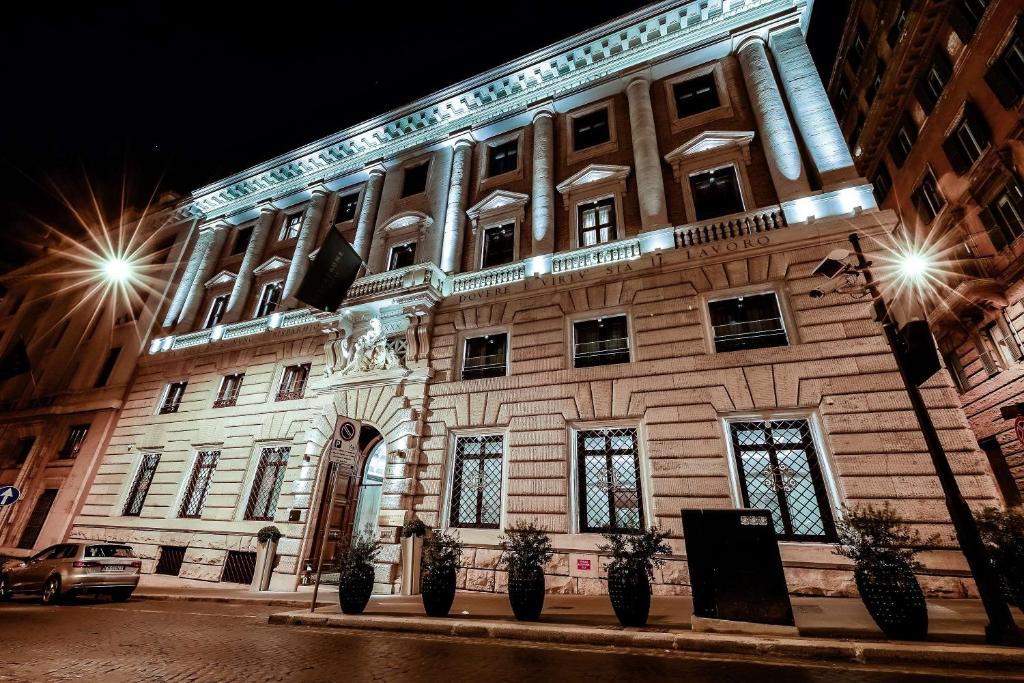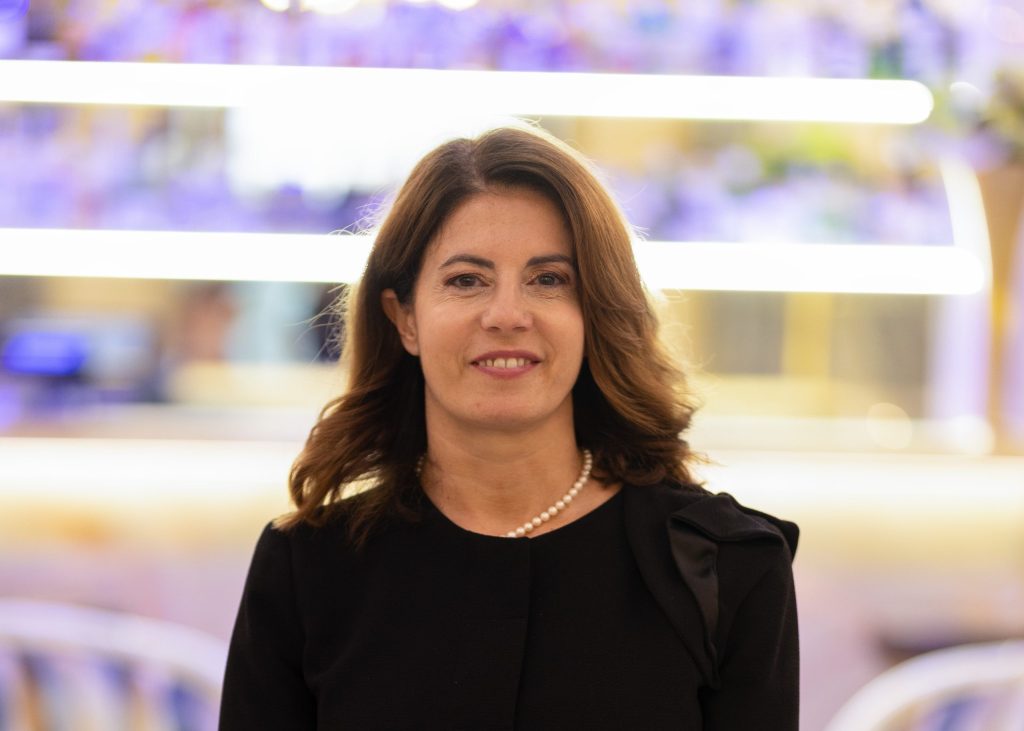
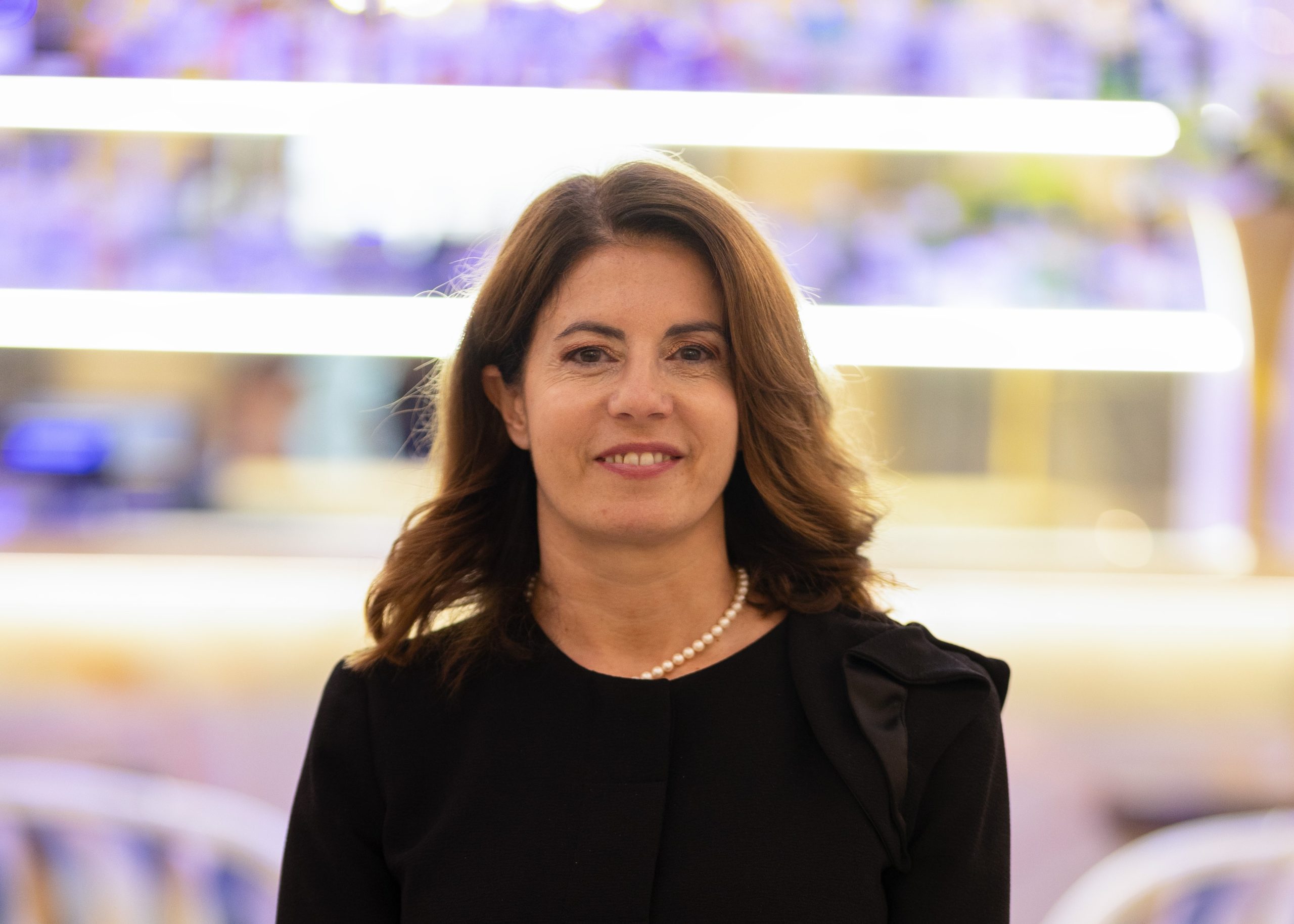
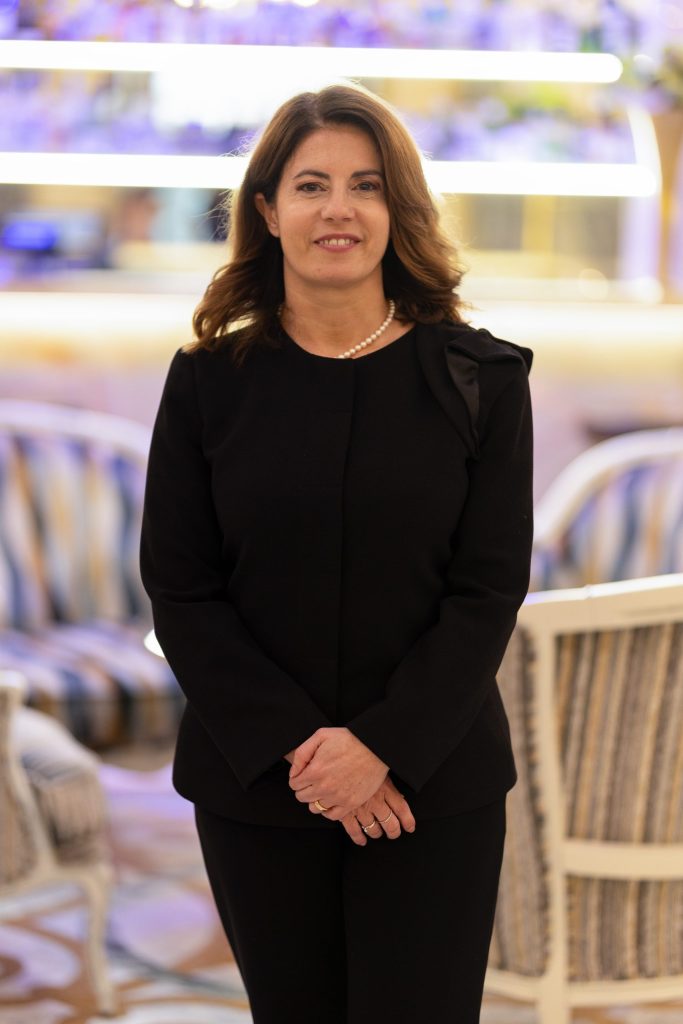
The Aleph Rome Hotel, Curio Collection by Hilton, occupies an imposing 1930s building just a few steps from Via Veneto. In 2026 it was named Best City Hotel in Italy and Best Design Hotel in Italy at the Haute Grandeur Global Excellence Awards. Its General Manager, Valeria Fruscio, built her hospitality career through revenue management and business development, with postings in London, Capri and Sorrento before returning to Rome where she began. The Luxury Editor sat down with her in the hotel’s Cognac Lounge during a stay as a guest of Curio Collection by Hilton.
Your career began in Rome before taking you to London, Capri and Sorrento. What does it mean to return to the Italian capital and lead a hotel in the city where it all started?
Rome is where I started and where I discovered my passion for hospitality, so coming back feels less like an arrival and more like repaying a debt of thanks. When you begin here, the city feels much bigger than you, with all its history and you quickly understand that you are a small part of something much greater. Now I have the privilege of looking after a small piece of this magnificent city. Every morning on my way to work I pass the hotel where I did my first season. It reminds me where my career started and it keeps everything in perspective.
You reached the General Manager’s office through revenue management and business development. How does that commercial grounding shape the way you lead the Aleph today?
Revenue and business development are jobs where you spend most of your time listening, to the market, to the agencies, to what guests are expecting and for what they are willing to pay. That doesn’t stop when you become General Manager if anything it gets wider. The team knows I ask a lot of questions and want a lot of detail before I decide anything, and that comes from that background. You get used to basing decisions on facts rather than just emotions. I sometimes say it’s the most important skill I have.
Curio Collection by Hilton
Curio Collection by Hilton
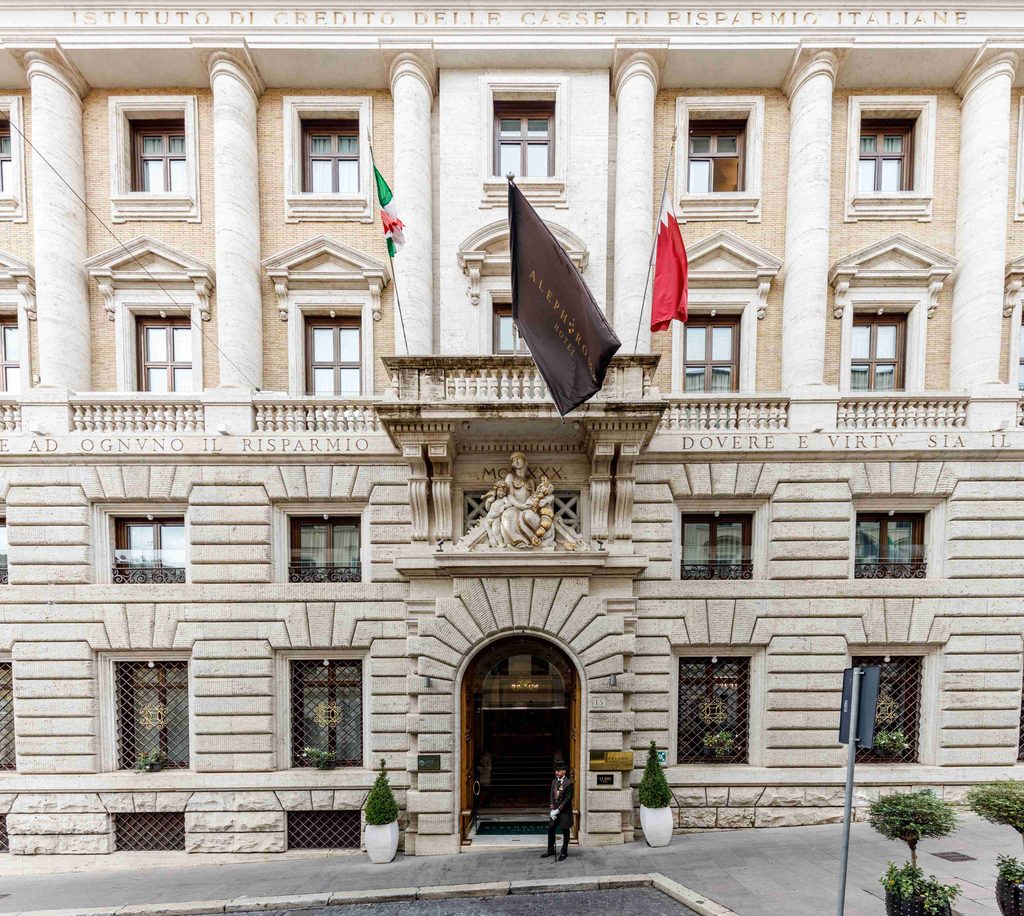
The Aleph occupies the former headquarters of one of Italy’s great banks. How does the story of the building shape the experience you create for guests?
It was built as a bank in the 1930s, so it was designed to say something, and what it says is solidity, permanence and a certain Roman confidence. You can still feel it in the proportions and in the marble. When the hotel was restyled nobody wanted to erase that history. We kept the marble lions at the entrance and the golden bees, the symbol of the Barberini family, and we let the building keep its voice while giving it a lighter, warmer tone.
Curio Collection by Hilton
Curio Collection by Hilton
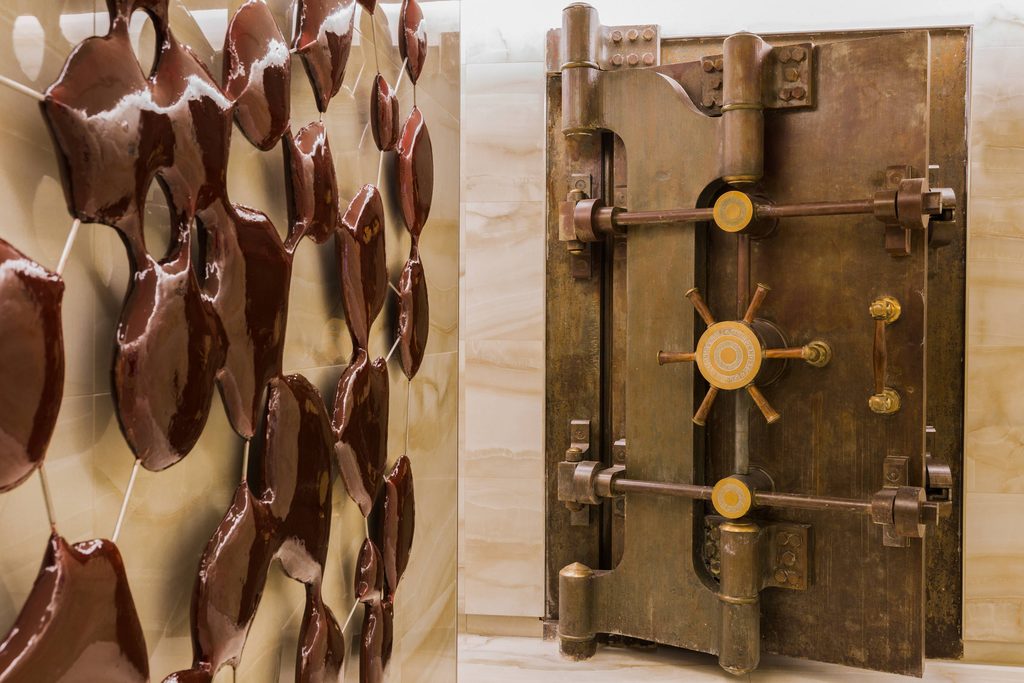
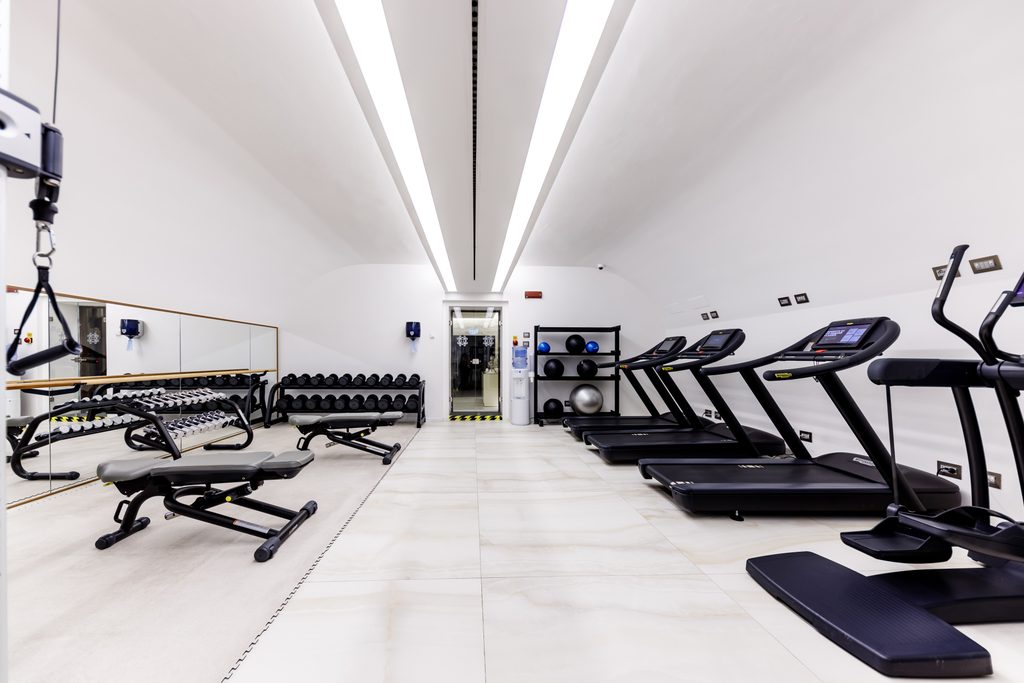
Le Caveau is the best example. It was the bank’s vault, and the original armoured door is still there, and it still locks and opens. Today it is the setting for our spa and gym. I like that transformation because the story hasn’t disappeared, it has simply evolved. Guests feel the history and the importance of the place before anyone tells them a word of it. For me that is when architecture becomes part of the experience rather than simply a backdrop.
The hotel is part of Hilton’s Curio Collection. How do you balance the Aleph’s independent personality with the reach and standards of a global brand?
Curio works precisely because Hilton doesn’t ask us to look like anyone else. We adopt the standards, the systems and the global reach, which for a hotel of our size is an enormous benefit, and we also keep our own personality. The brand guarantees what a guest can expect. The rest is what surprises them.
2026 saw the Aleph named Best City Hotel in Italy and Best Design Hotel in Italy at the Haute Grandeur Global Excellence Awards. What do you believe made your hotel stand apart?
Honestly, I don’t think we won for the elegant marble lobby or the stylish rooftop. Those help, but every good hotel in Rome has something beautiful to offer. What sets Aleph Rome apart is the energy of the people who work here. There is a real appetite for great service in this team. They want the hotel to do well, they take it personally when something isn’t right, and they are not waiting to be told to fix it. They take the init. You feel it the moment you walk in before anyone speaks to you.
If you read our reviews and it is the service and the team that guests mention again and again. Awards are won in small moments, someone helping a tired guest, someone fixing a problem before it becomes one, these are the moments that define the team. My job is to inspire them, support them and give them room. My philosophy is very simple. If we take care of our people, they will take care of our guests.
Dining is clearly central to the Aleph’s identity, from Sky Restaurant to Le Petit Chef, which the hotel hosts exclusively in Italy. How would you describe the hotel’s culinary vision? And what should a first-time guest at Sky order?
Our idea is simple. Dinner should feel like an experience, not a service. Our Executive Chef, Carmine Buonanno, works with wonderful Italian produce and reinterprets them in his dishes. What I like about the way he cooks is that every plate carries something with it, a story, a place it comes from, a memory it is trying to trigger. When he presents a new menu there is always a lot of storytelling. He manages to be traditional and inventive at the same time.
Sky Restaurant is the classic version of all this, Rome from above and honest cooking, no theatrics. Le Petit Chef is the opposite style, playful and theatrical, something families and cynics both fall for. We planned it for just one year, because it is a bit like going to the cinema, once you see the film you don’t go back. Yet almost three years later it is still full, a great success. We change the show every year so there is always something new for guests.
The bar is part of our same approach. The signature cocktails on the cube menu were a team idea, each drink inspired by a different corner of Rome, and the bartenders captured each one in the area that inspired it. We have also hosted guest nights with bars from the World’s 50 Best, including Paradiso from Barcelona and Moebius among them. Mixology is a world that evolves continuously.
If it’s your first time at Sky, I suggest you order the Tubetto Benedetto Cavalieri with scampi. And go up before sunset to enjoy the view.
The lobby has become a gallery in its own right through the ‘Dialoghi tra storia e contemporaneità’ exhibitions. Why is contemporary art important to the Aleph, and to the way your guests experience Rome?
Rome can sometimes make you feel that everything important already happened, it’s so rich in history. So, contemporary art is our way of balancing that. The lobby is where the exhibitions live and we change them every quarter, so guests walk into a conversation between the building’s history and something very modern. It also gives Romans a reason to come in and see work that was created now rather than centuries ago, and that matters to me. Art in a hotel says a lot, to your guests and to the community around you.
The hotel stands a few steps from Via Veneto; a street forever associated with la dolce vita. How do you see this corner of Rome evolving, and can you share an insider tip for guests who want to experience the city beyond the famous sights?
Via Veneto spent years being remembered for its past. That is changing, with new openings, a younger crowd and less nostalgia. La dolce vita is a lovely story, but a street can’t live on a film forever, and I think we are finally past that. Our own street is quiet and residential with restricted access, so you have the city on the doorstep and calm at night.
As for what to see, this corner of Rome hides an extraordinary amount behind very ordinary doors. Two minutes from here is the Casino dell’Aurora, with the only ceiling Caravaggio ever painted. You have to book, only a handful of people go in at a time, and most visitors have no idea it exists. A little further on, Palazzo Colonna opens only a few hours a week, one of the finest private galleries in Europe and no queues. None of these are secrets exactly. They are just quiet. Rome also rewards people who are willing to walk for an hour without a destination.
Rome is as much a business capital as it is a leisure destination. How does the Aleph look after both kinds of traveller?
The two travellers want the same things at different speeds. Business guests need everything to work swiftly, from check-in, to Wi-Fi, and enjoy an early breakfast at 7.30, and have a car that arrives on time. Leisure guests need a reason to slow down. The trick is that most people are now both, often on the same trip. Someone arrives on a Wednesday in a suit, works for two days, the partner then flies in on Friday for a weekend together. You don’t recognise the business guests for a moment, as now they are in the lobby in shorts. Their expectations change completely from one day to the next, so we have to anticipate that.
What does the future hold for the Aleph?
The future, for me, is more of what we already are, done better. Deeper rather than wider. I don’t want to change the hotel every two years. If in five years the hotel feels recognisably itself and simply sharper in every detail, I will consider that a success.
Luxury is highly subjective. What does it mean to you personally?
Honestly, I think we have confused luxury with excess. More marble, more amenities, more choices on a menu. To me it is the opposite, it is editing. Knowing what to leave out. The most luxurious rooms I have stayed in were the simplest ones, where everything present was there for a reason.
And finally, what is your personal motto, if you have one?
Anything can be fixed except the first five minutes.
My first General Manager used to tell me that the first impression is the one that counts, and I have never forgotten it.
And a second one, is for the team. If it isn’t right for the team, it won’t be right for the guest.
Read The Luxury Editor’s review of the Aleph Rome Hotel, Curio Collection by Hilton here.