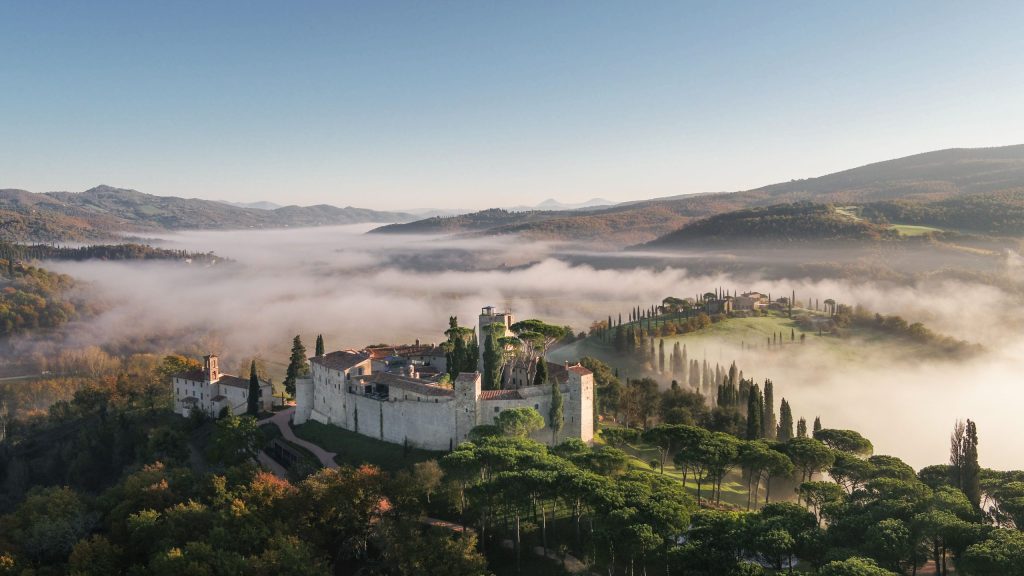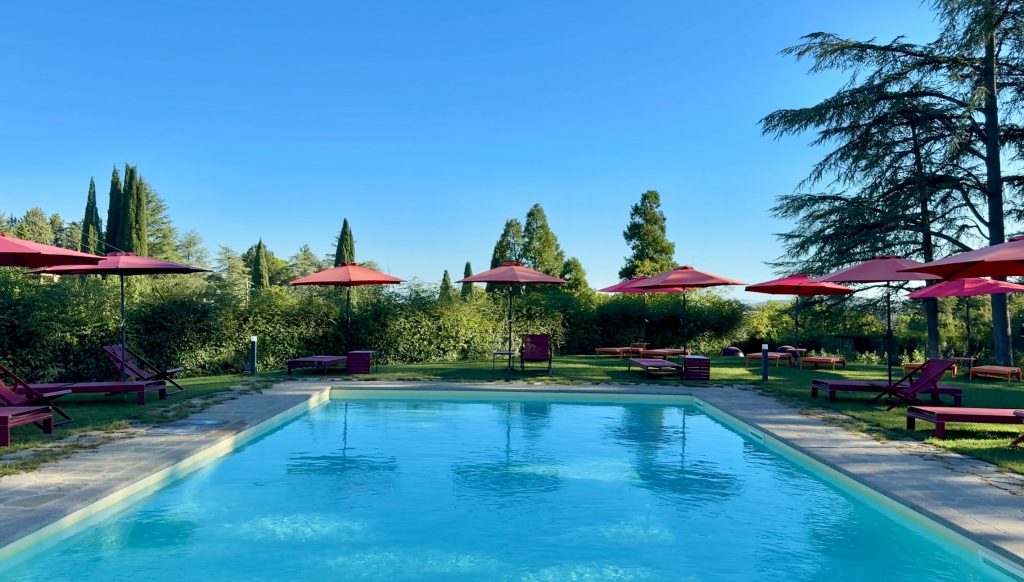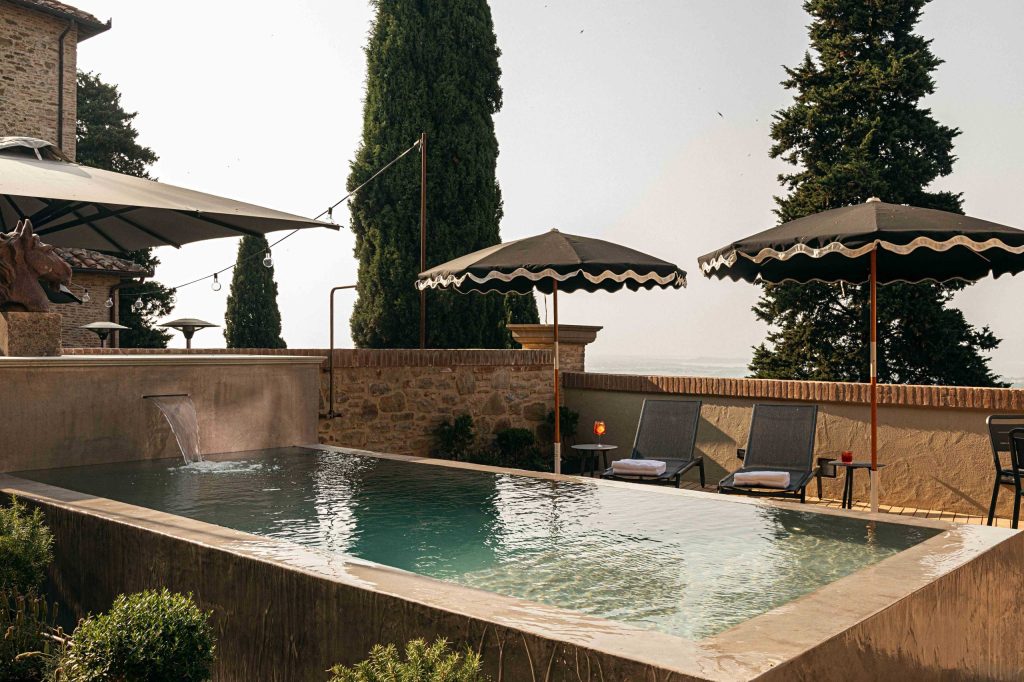

Reschio is an estate with cinematic views over the hills where Umbria meets Tuscany. A thousand-year-old castle sits at its heart, now a distinctive boutique hotel. The estate includes two restaurants, including the relaxed Ristorante Alle Scuderie, tennis courts, stables, a working farm and country houses for rent and purchase. It has been restored by the Bolza family who remain an active part of the estate’s day-to-day life. A visit to this elegant, yet informal country restaurant offered a wonderful glimpse into the world of Reschio, where the fantasy of the Italian rural idyll has become reality. We came for lunch and went on to discover the estate’s much longer story.
Lunch at Ristorante Alle Scuderie
Before I tell you about meeting the count and exploring the castle, I should start the story with our visit to Alle Scuderie, the charming restaurant close to the estate’s stables. The menu offers Italian classics and seasonal dishes, as well as featuring the estate’s own olive oil, wine, kitchen garden vegetables and foraged herbs and flowers.
I understand it was opened in 2019, two years before the hotel which now occupies the ancient castle, with six further suites beside the little church of San Michele just outside the walls.
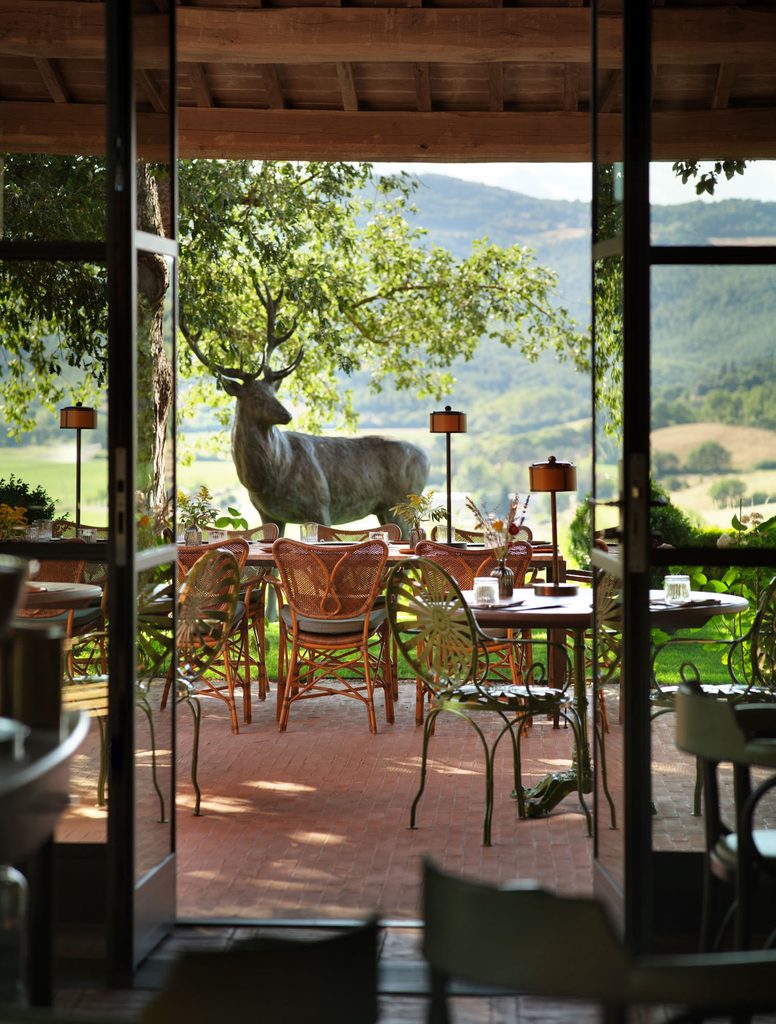

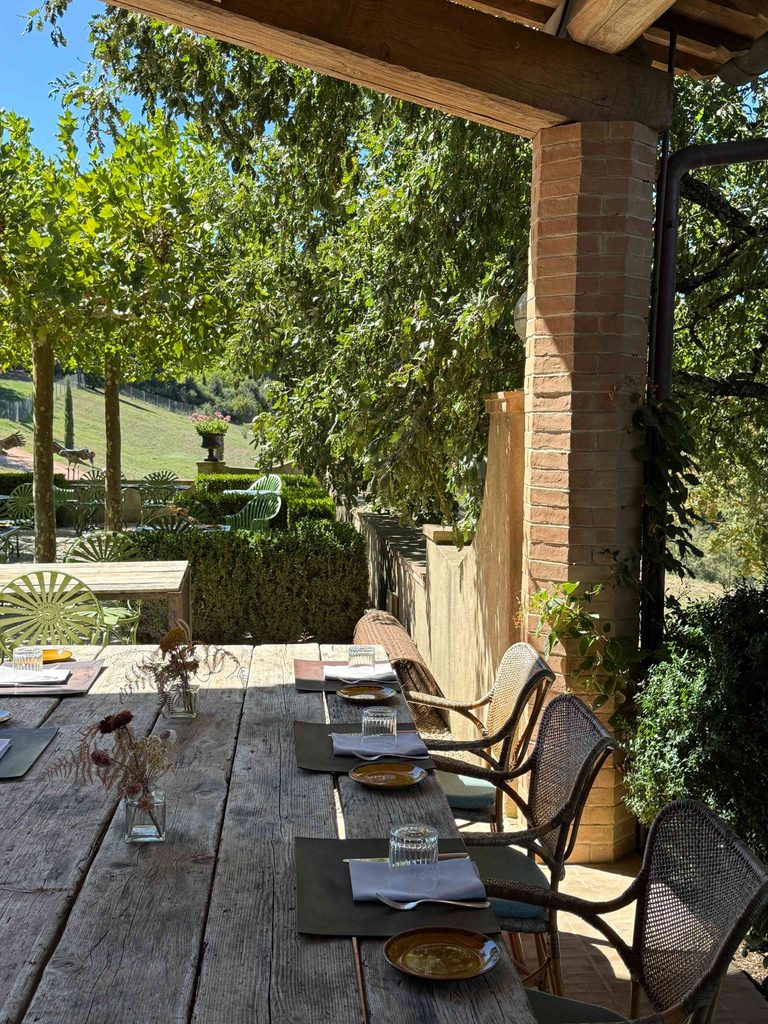
The restaurant dining room has soaring ceilings, dark plaster walls and tall steel-framed doors that open onto a wide shaded terrace, which extends to terrace gardens with life-size bronze deer and ostriches, and more tables and summer sofas that sit under umbrella pines and rugged oaks, with views out across the valley.
We started with a negroni made with the estate’s gin, which is flavoured with juniper and other botanicals foraged at Reschio. The antipasto all’italiana is made for sharing and comes to the table as a series of small plates, with pillows of gnocco fritto and silky culatello, pappa al pomodoro, sun-dried tomato pesto, stuffed chilli peppers and crisp fried sardines, each finished with tiny drops of dressing. The spread was accompanied by bread and Resculum, the estate’s olive oil.
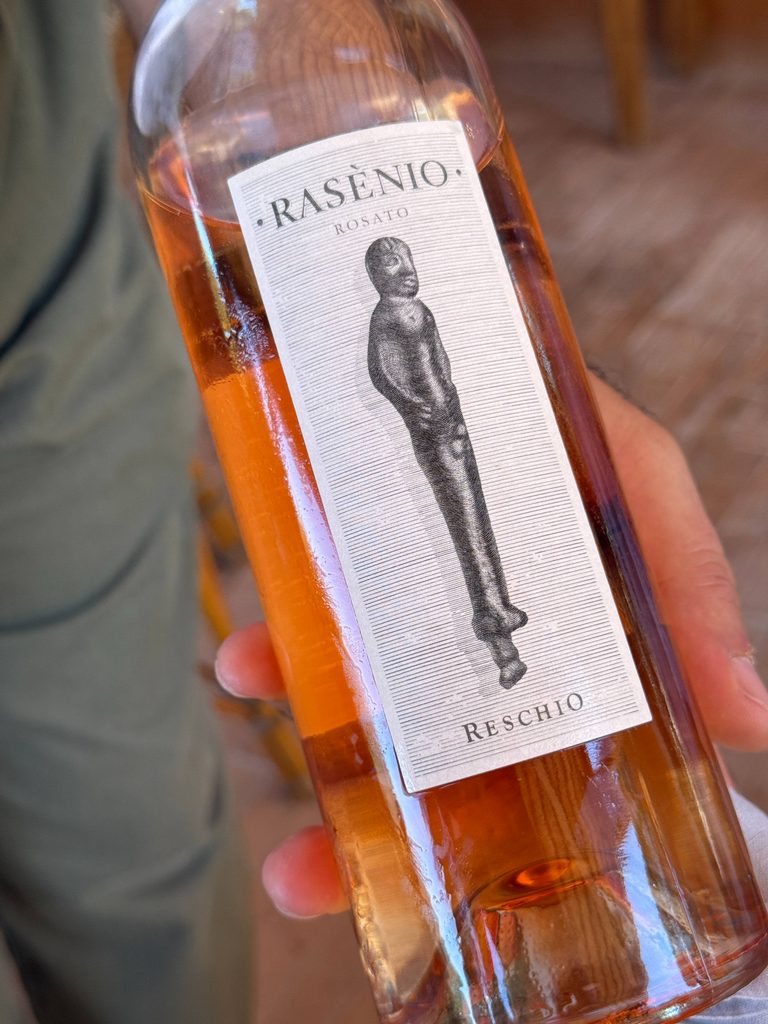
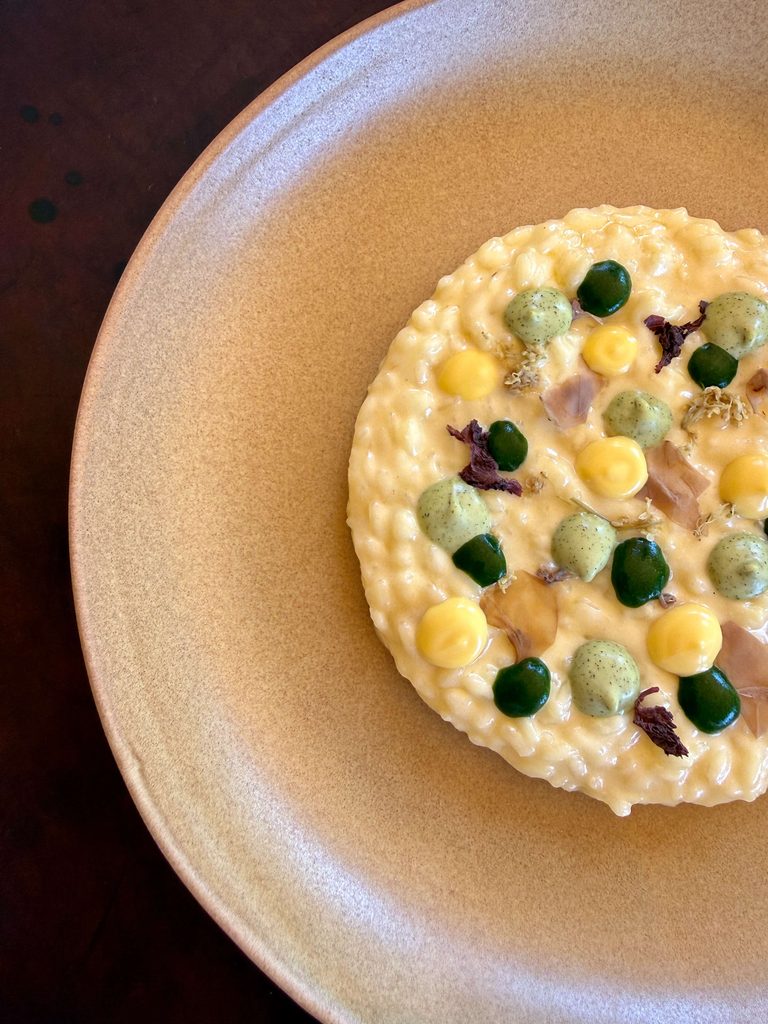
My risotto was the best dish. Made with sheep’s whey, which gives it a rich creaminess, it was served as a perfect pale circle, topped with drops of Reschio elderflower and wild floral essences that burst with fresh flavour against the rice. My companion had the blueberry tagliatelle with game ragù as we sipped a glass of the estate’s rosé, made from Sangiovese and Merlot grown on a single hectare of the estate. A classic tiramisu finished the meal.
From draughty castle to hotel
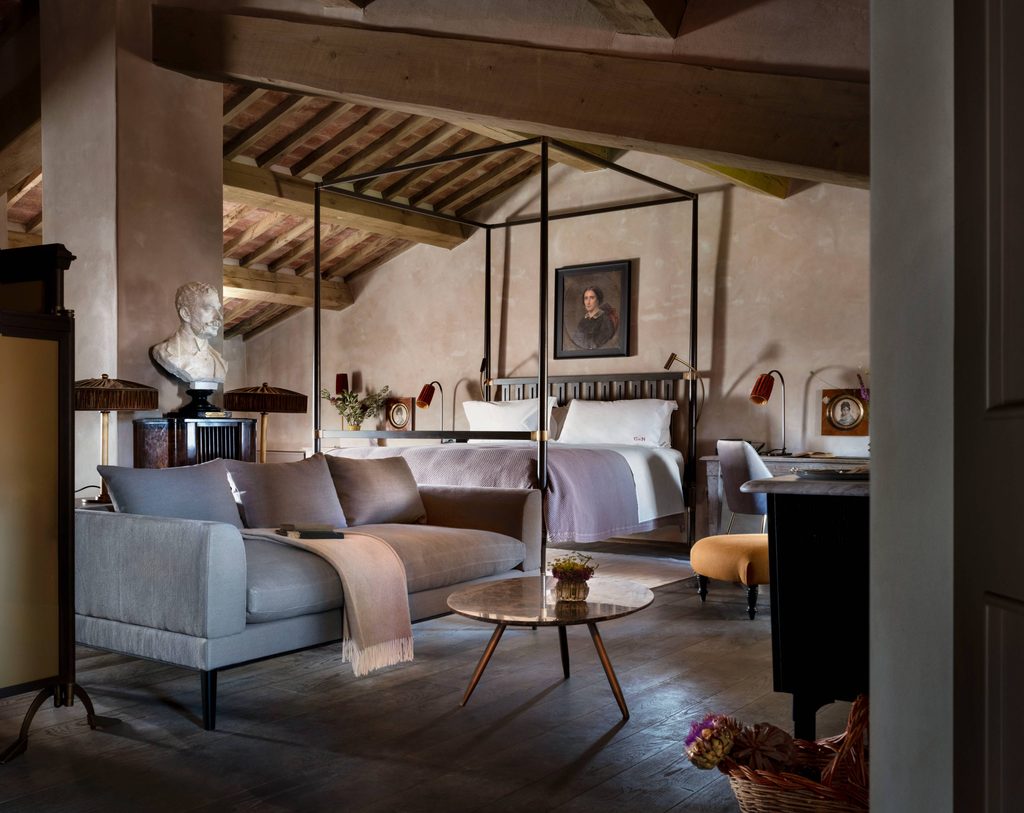
Yet lunch was just part of our extraordinary day. We took a wander around the property and learned from the team that the latest chapter in its long story began in 1984, when Count Antonio and Countess Angelika Bolza, from an Austro-Hungarian family with Italian roots, bought the former parish house of San Martino as a holiday home, unaware that it stood on the highest point at the very centre of the Reschio estate. Ten years later they bought the surrounding estate, over 1,500 hectares of oak woods, olive groves and pastures, which included the medieval castle and around fifty farmhouses, most of them in ruins. Their son, Count Benedikt, who trained and worked as an architect in London, returned in 1999. He and his wife, the artist Donna Nencia Corsini, raised their five children in the castle. In an interview I read, he once described it as like living in a birdcage with the wind blowing through the rooms. So it is perhaps no surprise that the family eventually moved out. The castle was completely renovated and turned into a 35-room hotel, which opened in 2021.

Inside the castle walls
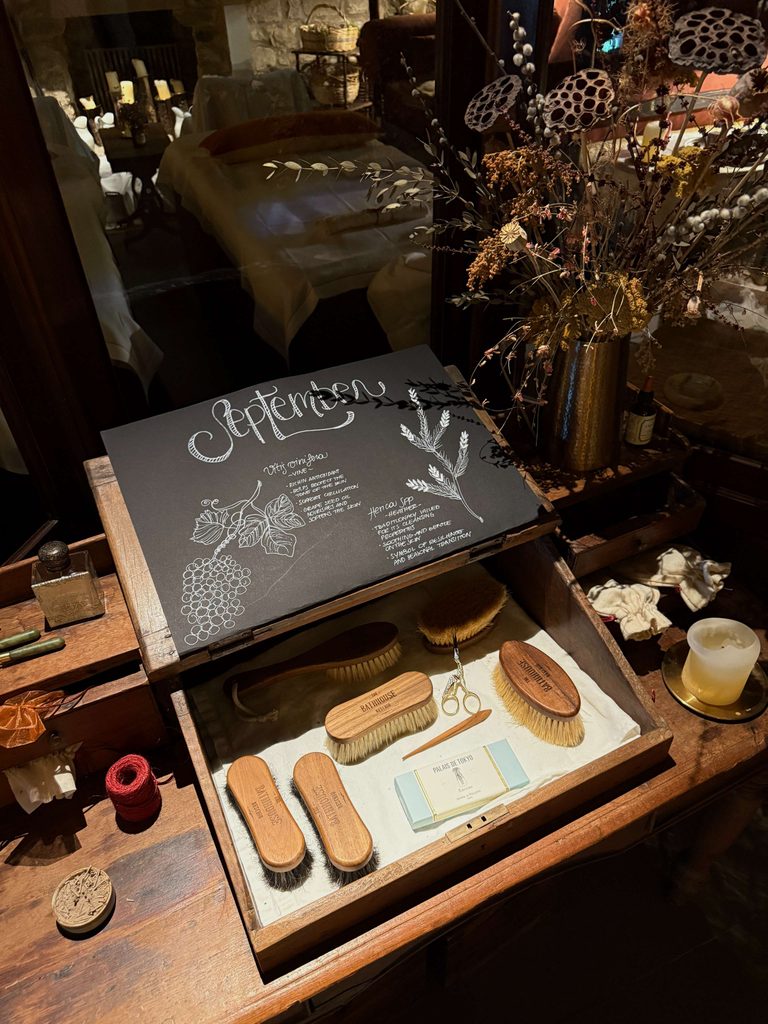
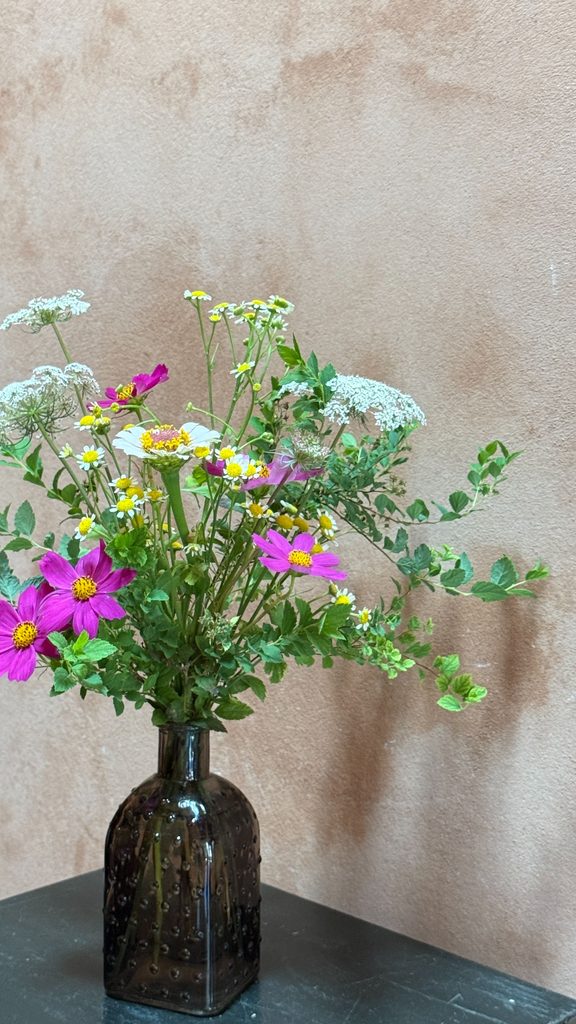
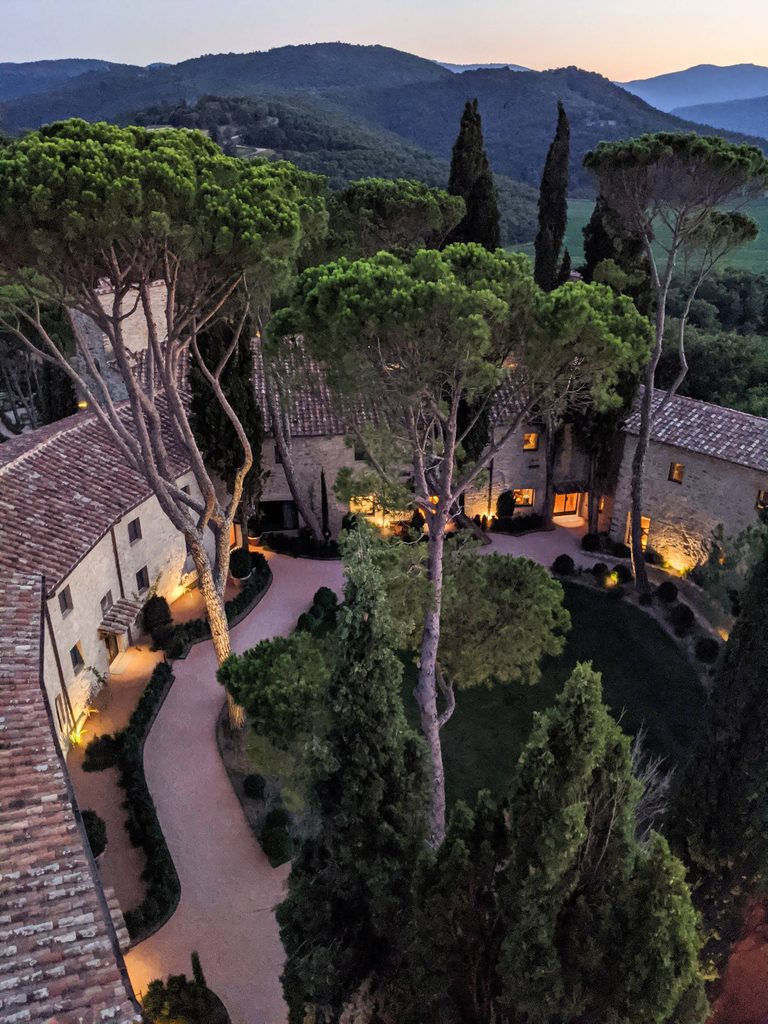
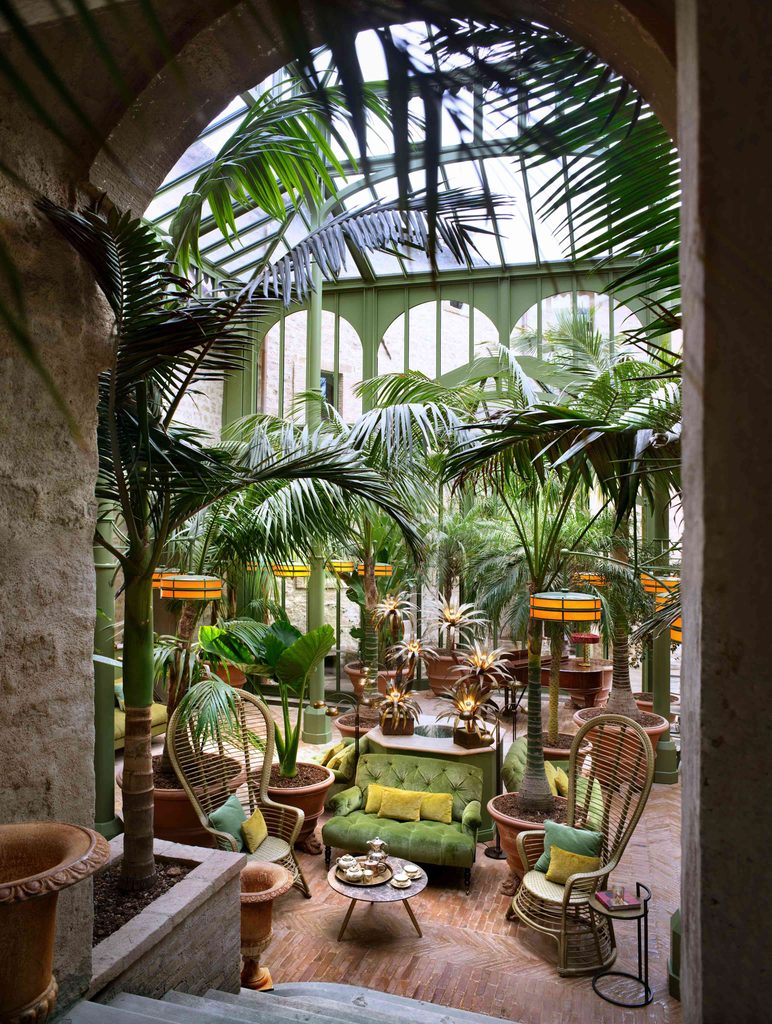
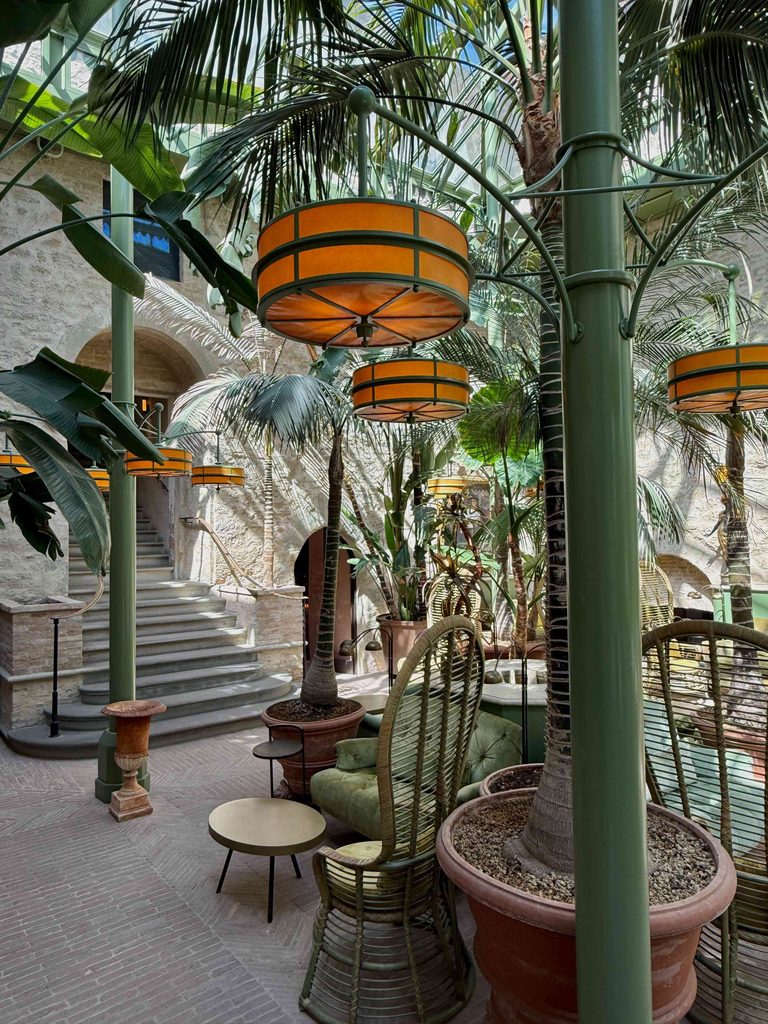
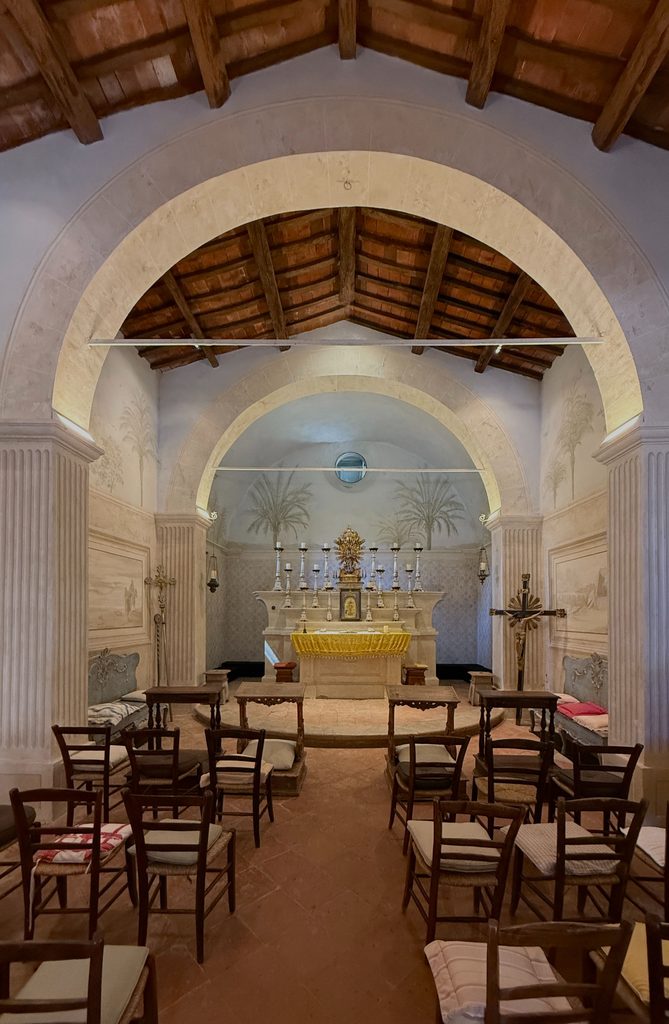
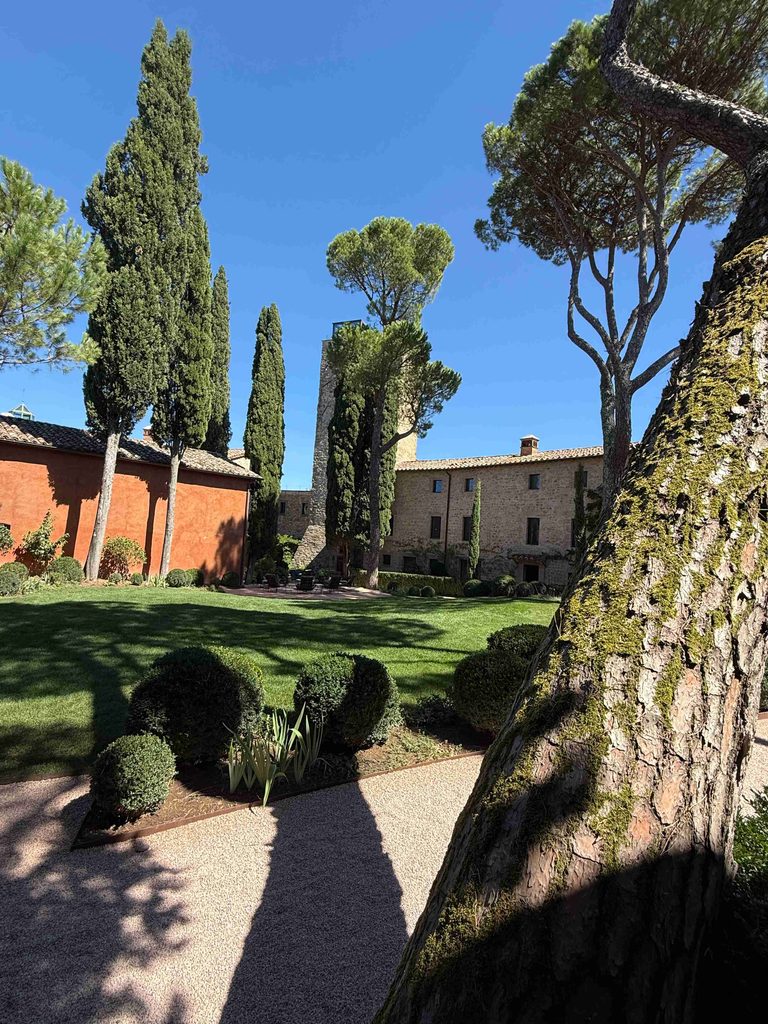
The hotel was full when we visited in September, so unfortunately we couldn’t stay. Instead we were shown around by a senior member of the guest team, an experienced horseman with an obvious love of the place. Inside the castle walls, the courtyard is a garden shaded by towering old pines and cypresses. There is also a delightful, restored family chapel, decorated with delicate frescoes painted by Donna Nencia. In the boot room the estate’s forager delivers armfuls of wild flowers, which a florist uses to create small posies for the bedrooms and restaurant tables. Close by is the Palm Court, a glass-roofed winter garden of potted palms, armchairs and distinctive lamps designed by the Count and made in Umbria. A medieval staircase leads down to the Bathhouse spa in the old wine cellars, where guests are asked to leave their phones at the door before being pampered with treatments, soaking in vintage bathtubs lined with linen, and relaxing in the warm waters of the baths, lit only by candlelight.
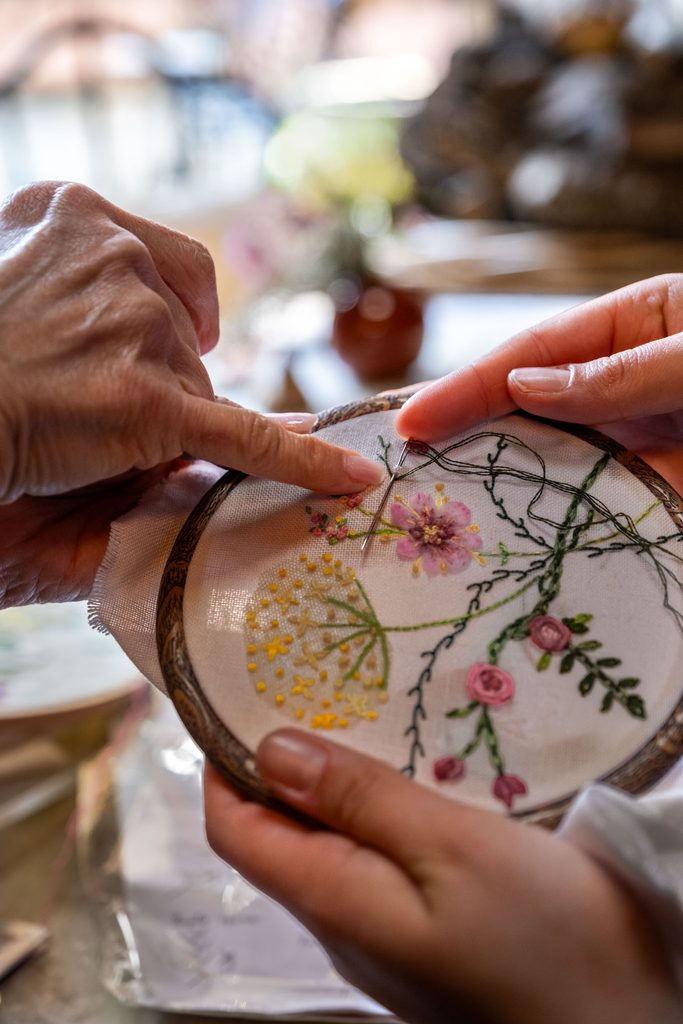
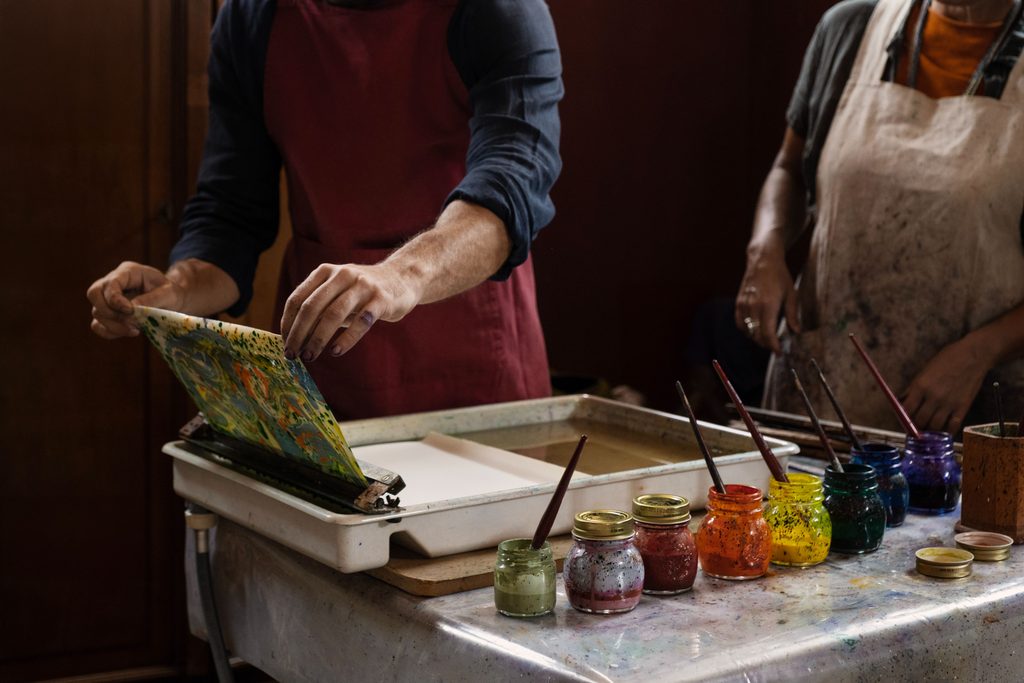
A framed Weekly Almanac on the courtyard wall sets out the possibilities for each day. Guests can go truffle hunting, foraging or olive oil tasting. There are workshops in embroidery and calligraphy, as well as an open-air cinema.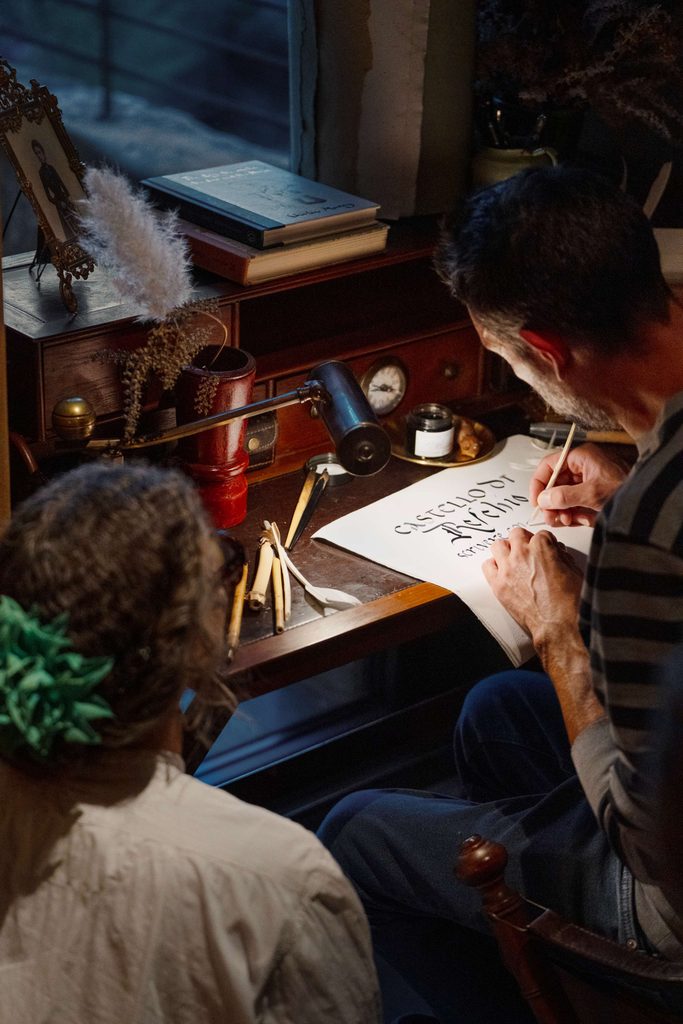
A living fantasy
The estate beyond the walls of the castle is quintessential Umbria, with cypress-lined lanes, rolling hills and stone farmhouses. At the stables, home to the pure-bred Spanish horses that the family breeds for dressage, we saw the count’s stallion. The tack room is immaculate, and like everything on the estate, perfectly curated with a film-set aesthetic. Here every bridle hangs beneath a small plaque bearing its horse’s name, from Pepita and Valchiria to Rayo de Luz, under an oil portrait of a boy holding a riding crop. The sand arena where the horses perform becomes the hotel’s cinema on summer nights. By the adjacent arena stands a striped tented pavilion right out of the scene of a movie.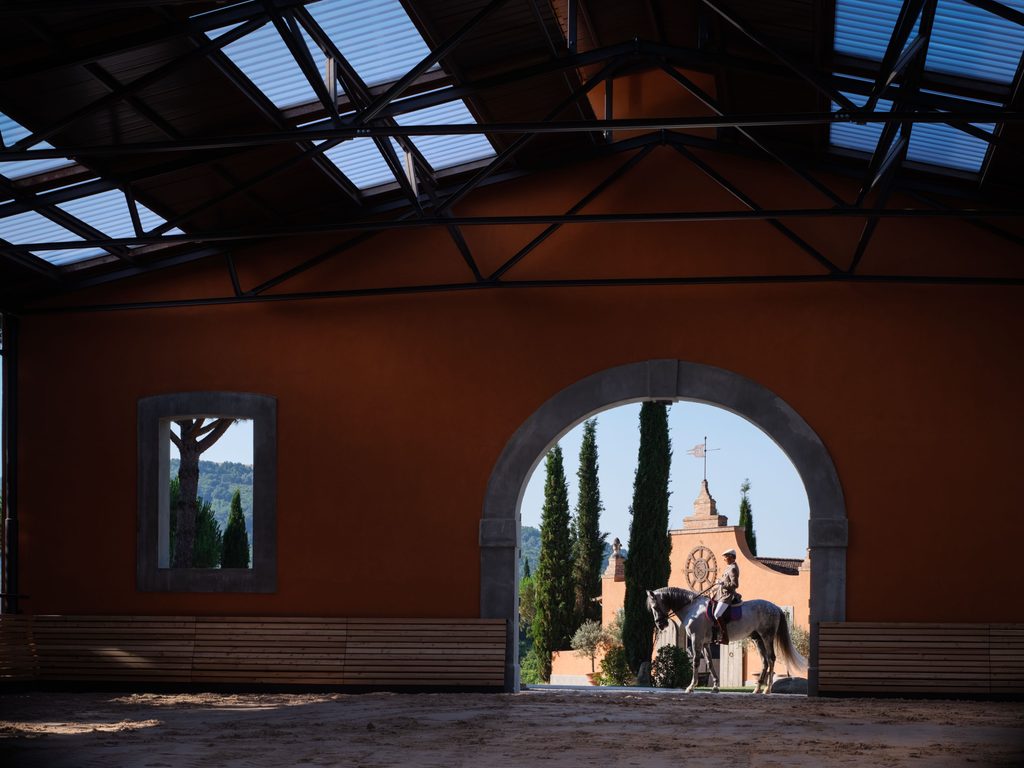
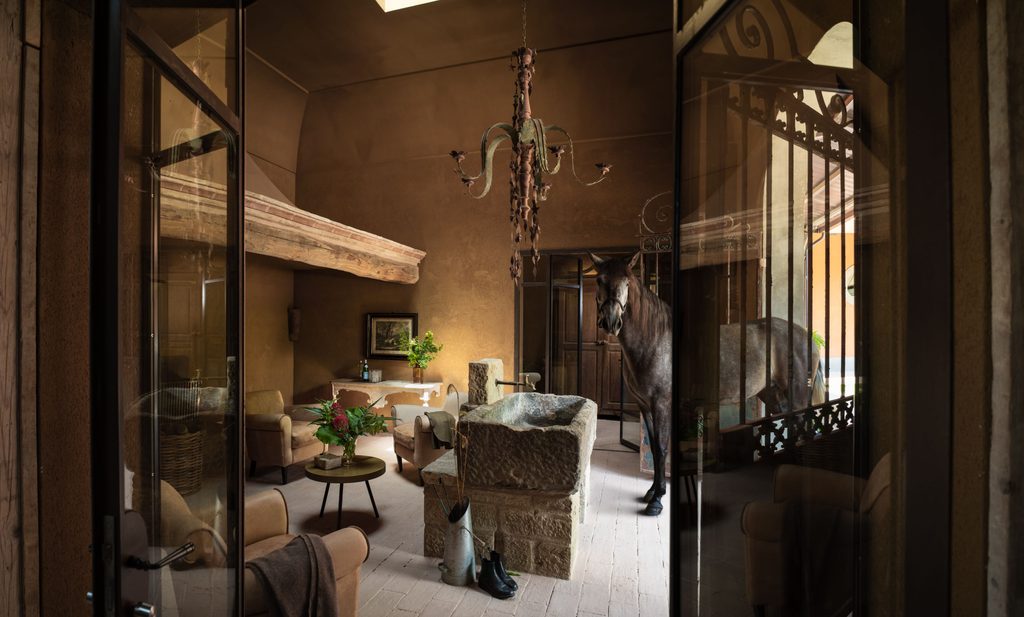
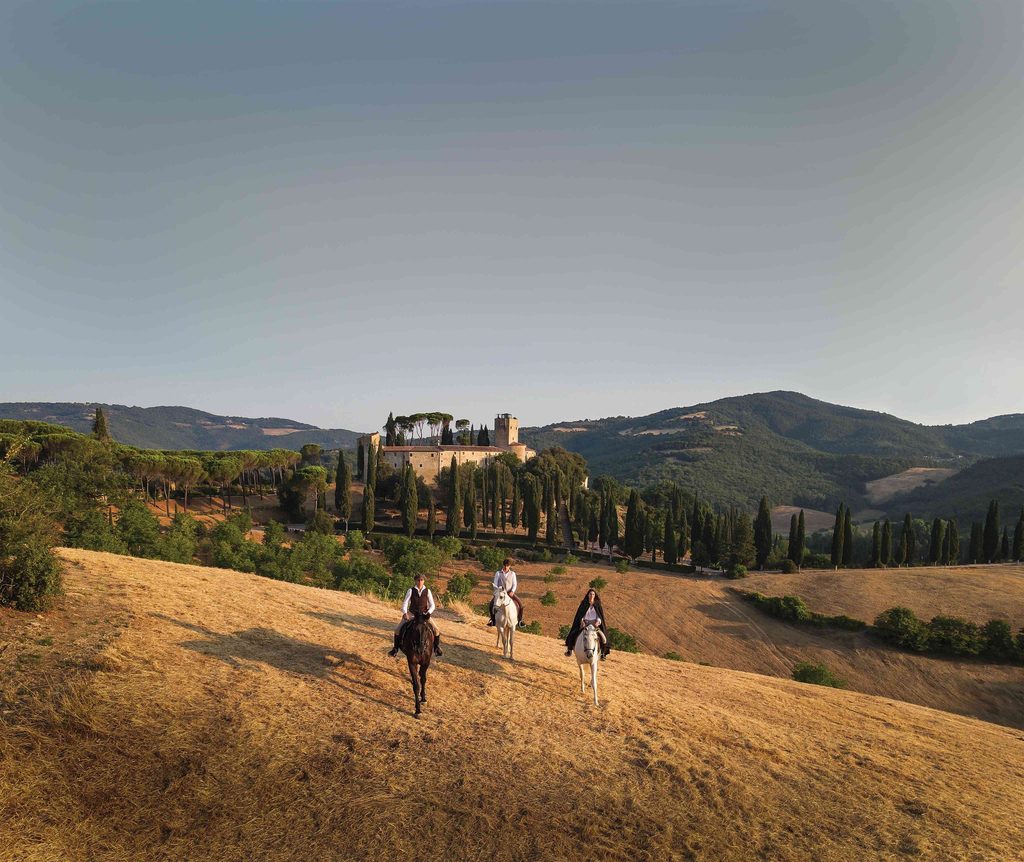
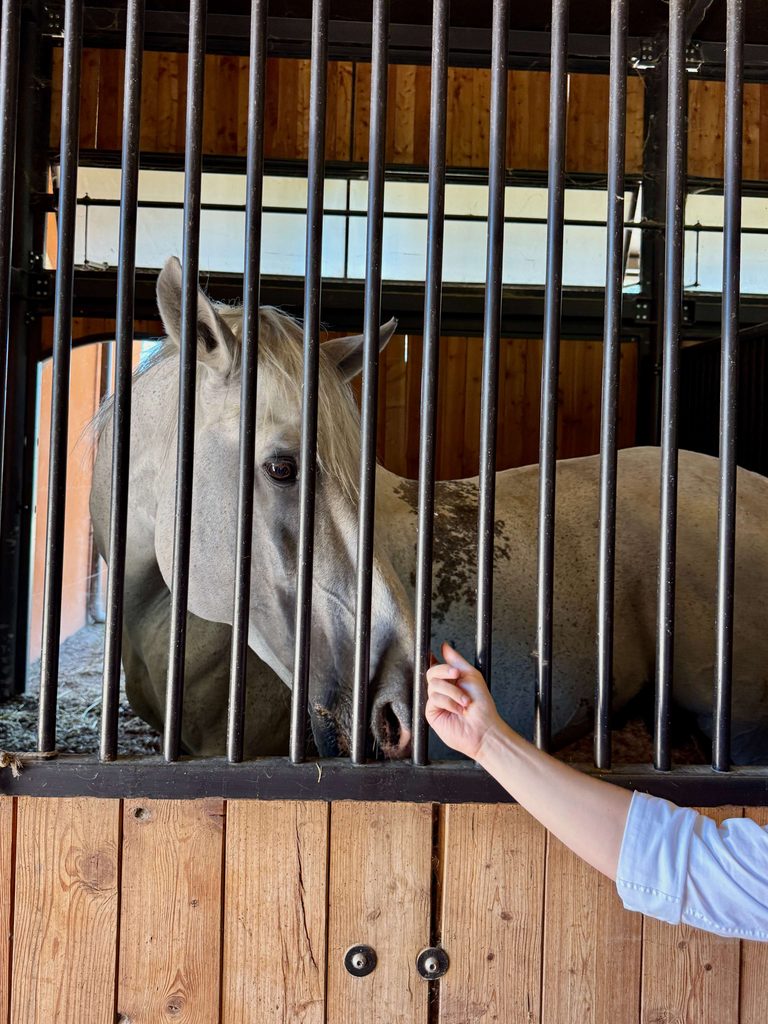
Each way you look you see that Reschio is extraordinary. I first discovered it online, through its beautiful Instagram account. Most of us accept that the world we see online is a fantasy, yet here the fantasy exists, and you can step into it for lunch, for a weekend or, if you have the means, for good, by purchasing one of the estate’s farmhouses. Every element seems to have been designed and curated. Yet the land is farmed. This is a living, working estate.
Meeting the count
After lunch we walked down to the Tabaccaia, a 1940s tobacco factory at the entrance to the estate that is now the creative headquarters, the hub of the business. As you step inside and head up to the offices you still see the staircase that climbs to the small balcony from which the factory director once surveyed his workers. The floor below would have been packed with tobacco workers. It is now an open-plan studio divided by shelving and mesh-fronted cabinets. Paintings are casually propped against the walls, busts and sculptures rest on furniture. It looks both a working office and a highly designed space. This is where one also sees prototype lamps resting on the floor, or pieces of furniture being refined. It has the atmosphere of a museum archive, something like a V&A storeroom, yet it is filled with Reschio’s experts and estate managers busy running the business.
We met Count Benedikt Bolza in his office. Accompanied by his friendly Executive Assistant, the conversation was relaxed and entirely without ceremony. The Count showed us photographs of the estate taken during the Second World War, when the hills were planted with mulberry trees to feed the silkworms that were kept in the castle attics. He talked about the tobacco that once filled this valley, a crop that suits the local microclimate (although it is steadily being left behind to make way for more sustainable crops).
Today the estate rests on three commercial pillars. The first is hospitality, with the luxury hotel and its restaurants.
The second is real estate. The many farmhouses on the estate are for sale. It seems that as a buyer, and investor in the estate, one places the responsibility of the remodelling, architecture, interiors, furniture and lighting in the hands of the count’s studio and its Umbrian artisans. It is a process that creates a very personal home, yet still recognisably part of Reschio.
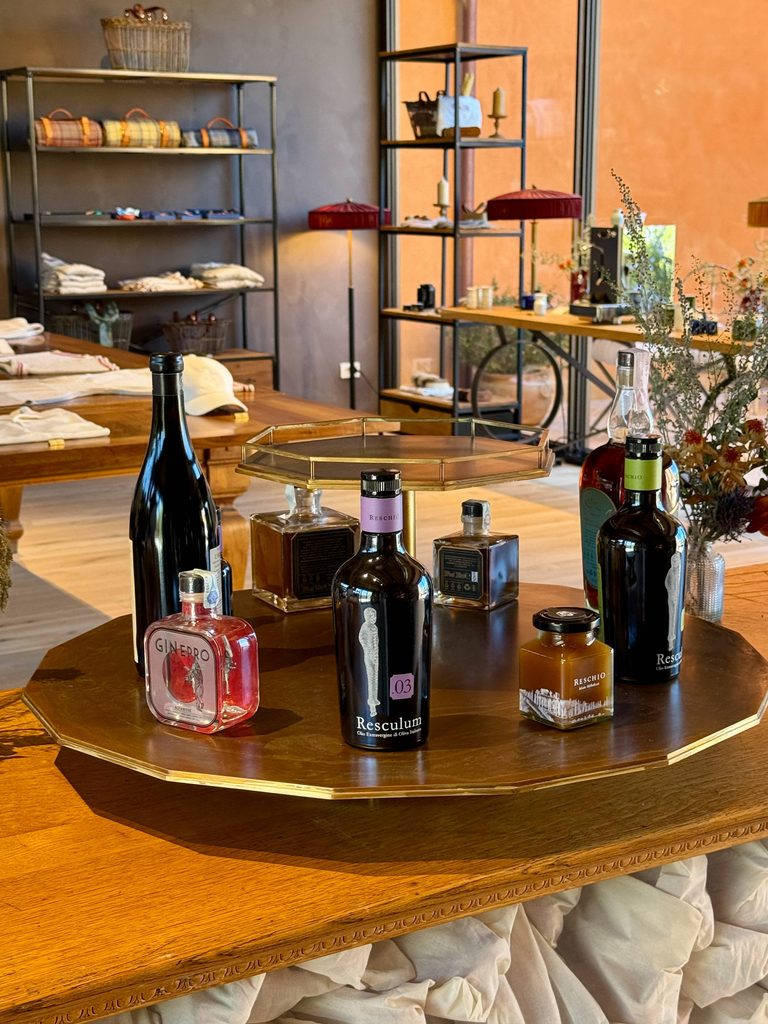
The third part of the business is Reschio Collections. This is the growing business of furniture and lighting from the count’s own studio, B.B. for Reschio, and a wider collection of objects developed with his three eldest daughters, all made by local craftspeople. You can buy many of the items in the Bottega boutique (found beside Alle Scuderie), as well as clothing and the estate wine, gin, honey and olive oil. I also spotted some playful dressing-up pieces. Unsurprisingly really because parties are part of the estate community.
There is a community here too. Each July the Reschio Players, a troupe of family, friends and enthusiastic amateurs, stage an original play in one of the gardens in aid of charity. The estate also hosts open-air concerts by young musicians from Umbrian conservatories.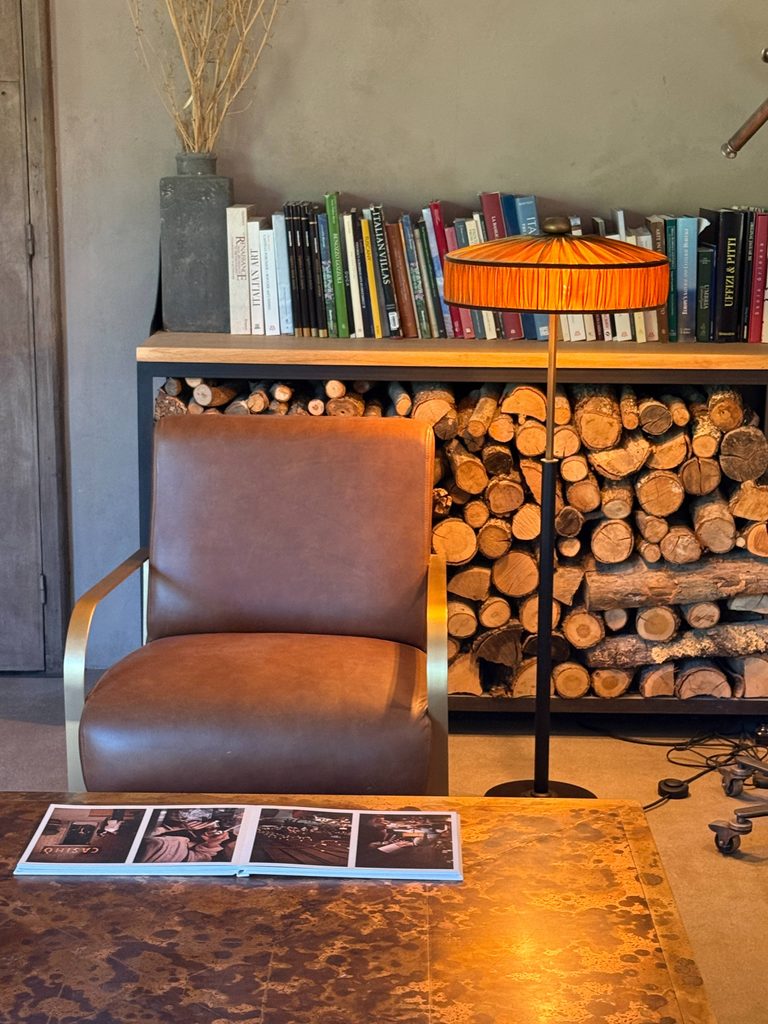
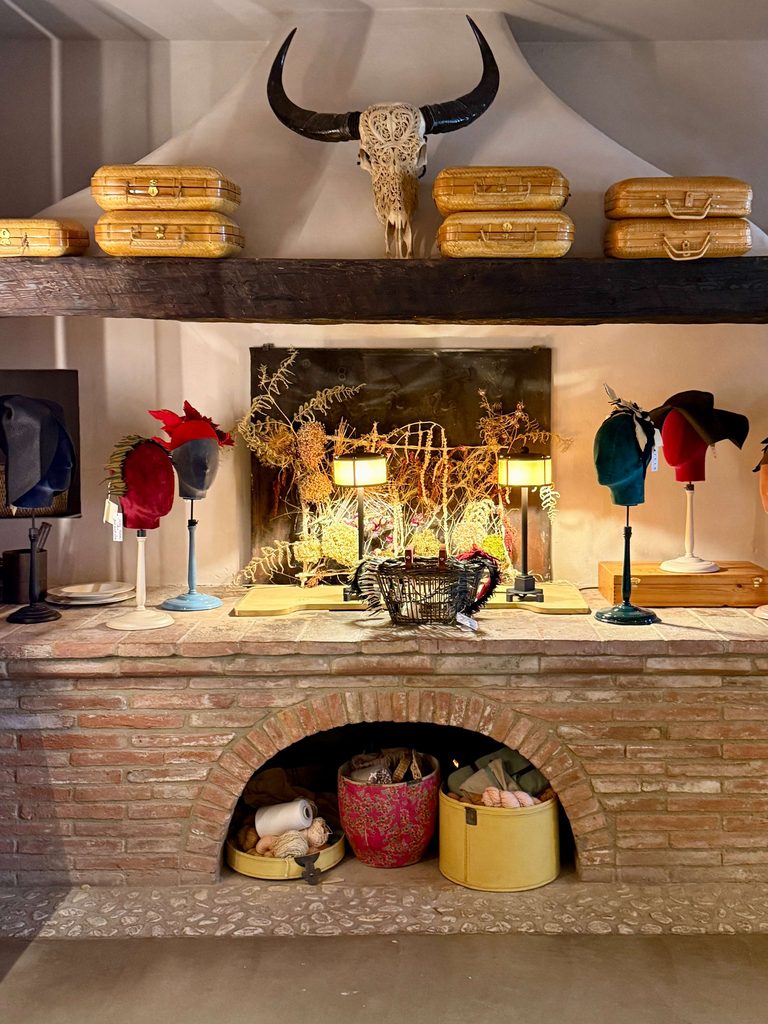
Reschio is a delight. For some it may feel just that little too perfect. For me it was a fantasy world that I don’t want to leave. A place where an architect and an artist have treated a thousand-year-old estate as their workshop and their canvas. We visited for lunch, and as I drove away, was left wondering what a ruined farmhouse might cost.
The Luxury Editor attended as a guest of Reschio.